THE CLASSIC | SERIES 003: ALMA, GUATEMALA
THE CLASSIC | SERIES 003: ALMA, GUATEMALA
INTRODUCING SERIES 003
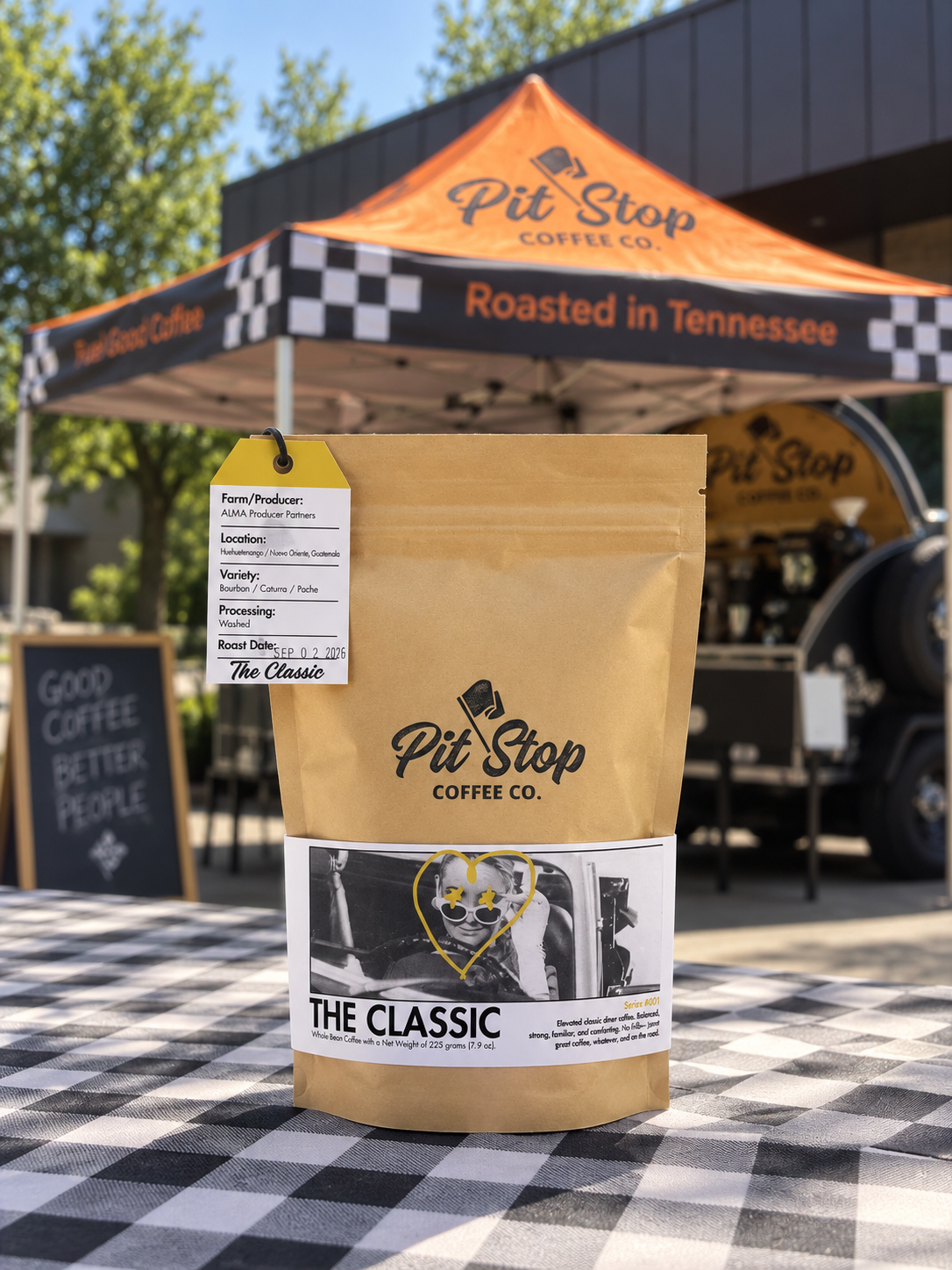
The Classic is our answer to a pretty simple question: what should coffee taste like when you want something familiar, comforting, and easy to drink without sacrificing quality?
Not every coffee needs to taste like passionfruit gummies or jasmine tea. Sometimes you want chocolate, ripe fruit, sweetness, and a cup that just feels like coffee. The difference is that we still want all of those flavors to be clean, expressive, and intentional.
Series 003 brings us to Guatemala with Alma, a washed coffee built around exactly that idea. It is sweet and chocolate-forward with a juicy body, while flavors wrap around each other in a beautiful way to keep the cup lively. This is coffee for the person who says, “I just want a really good cup of coffee.” We take that request very seriously!
WHAT IS ALMA?
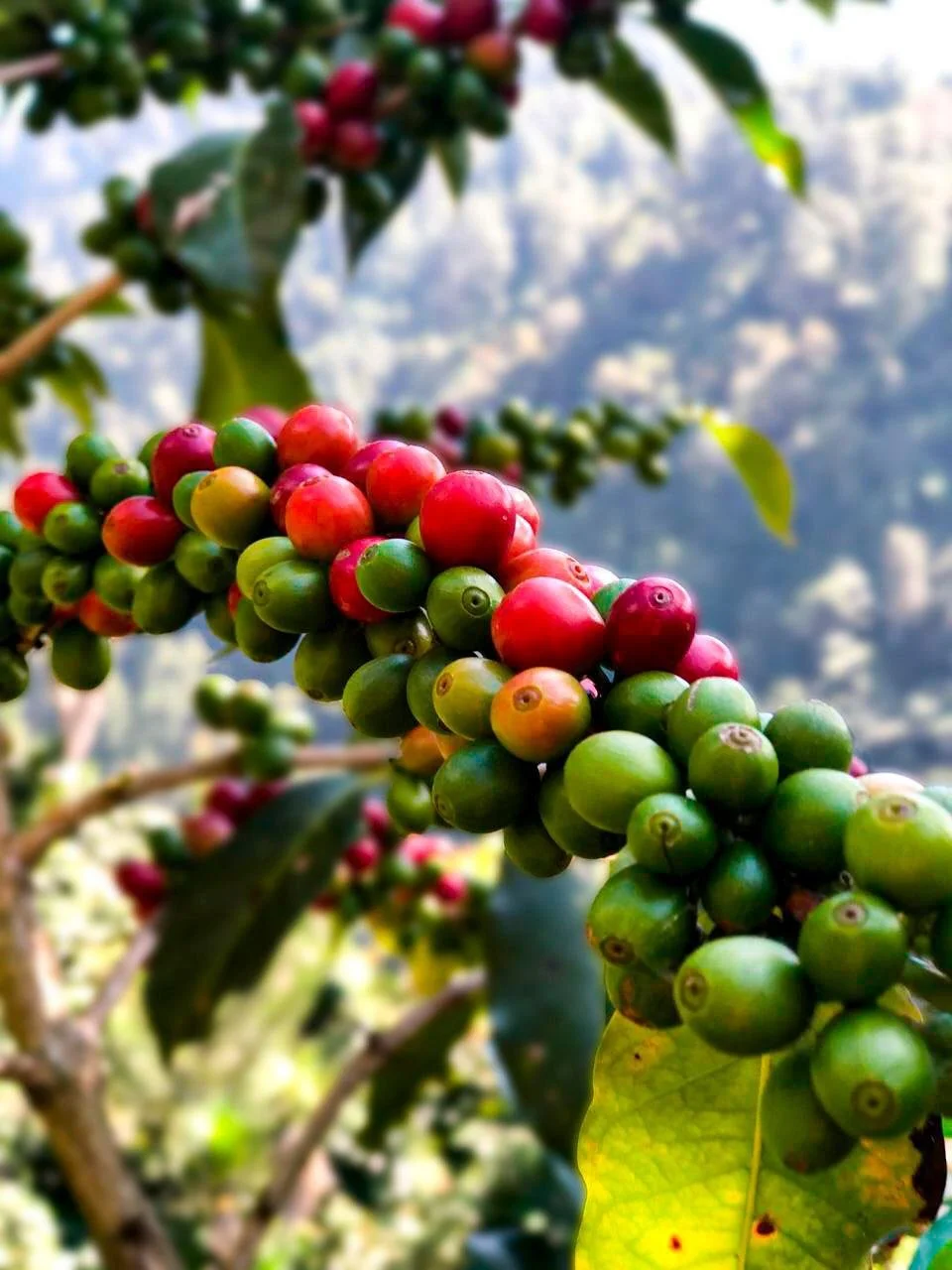
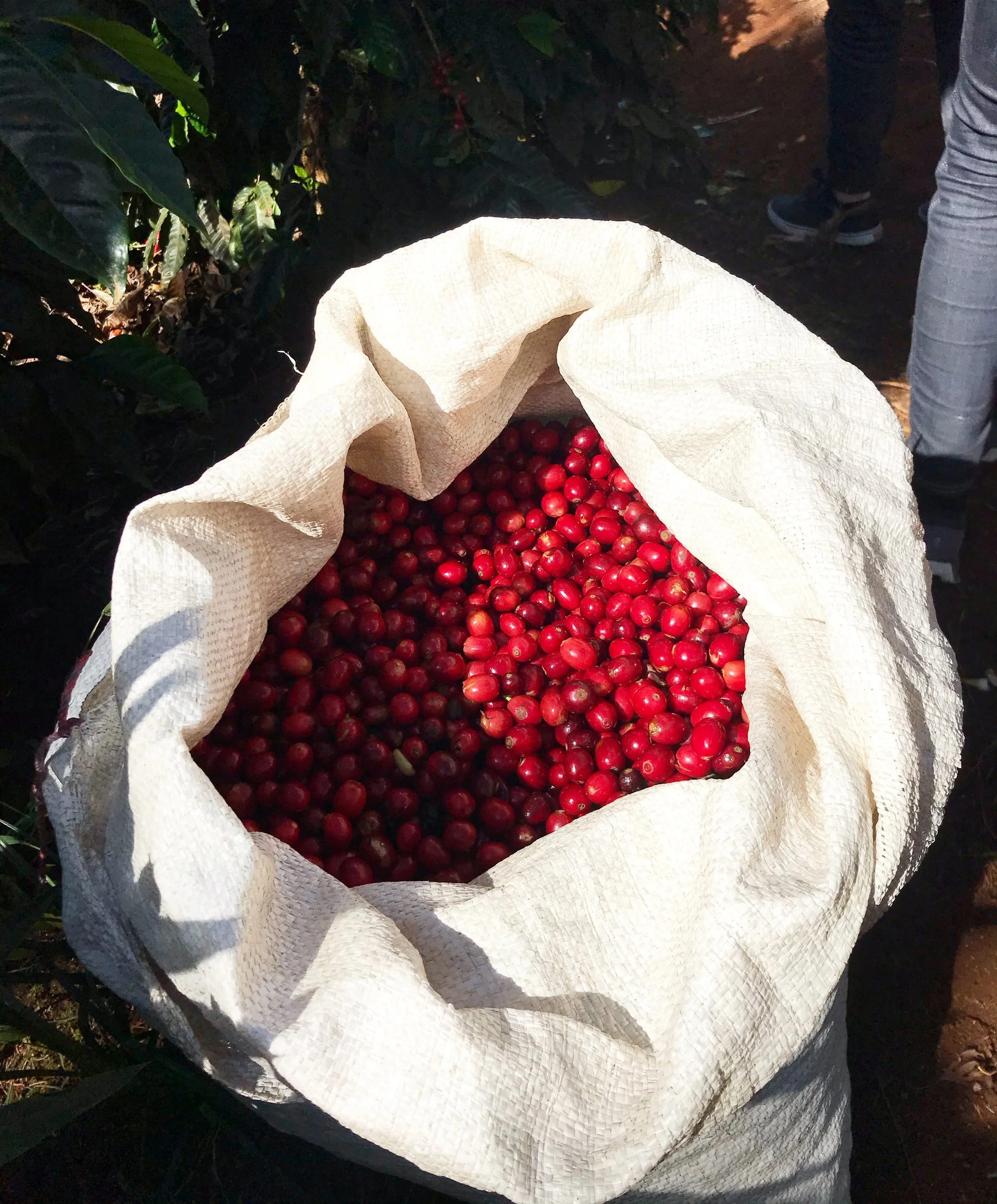
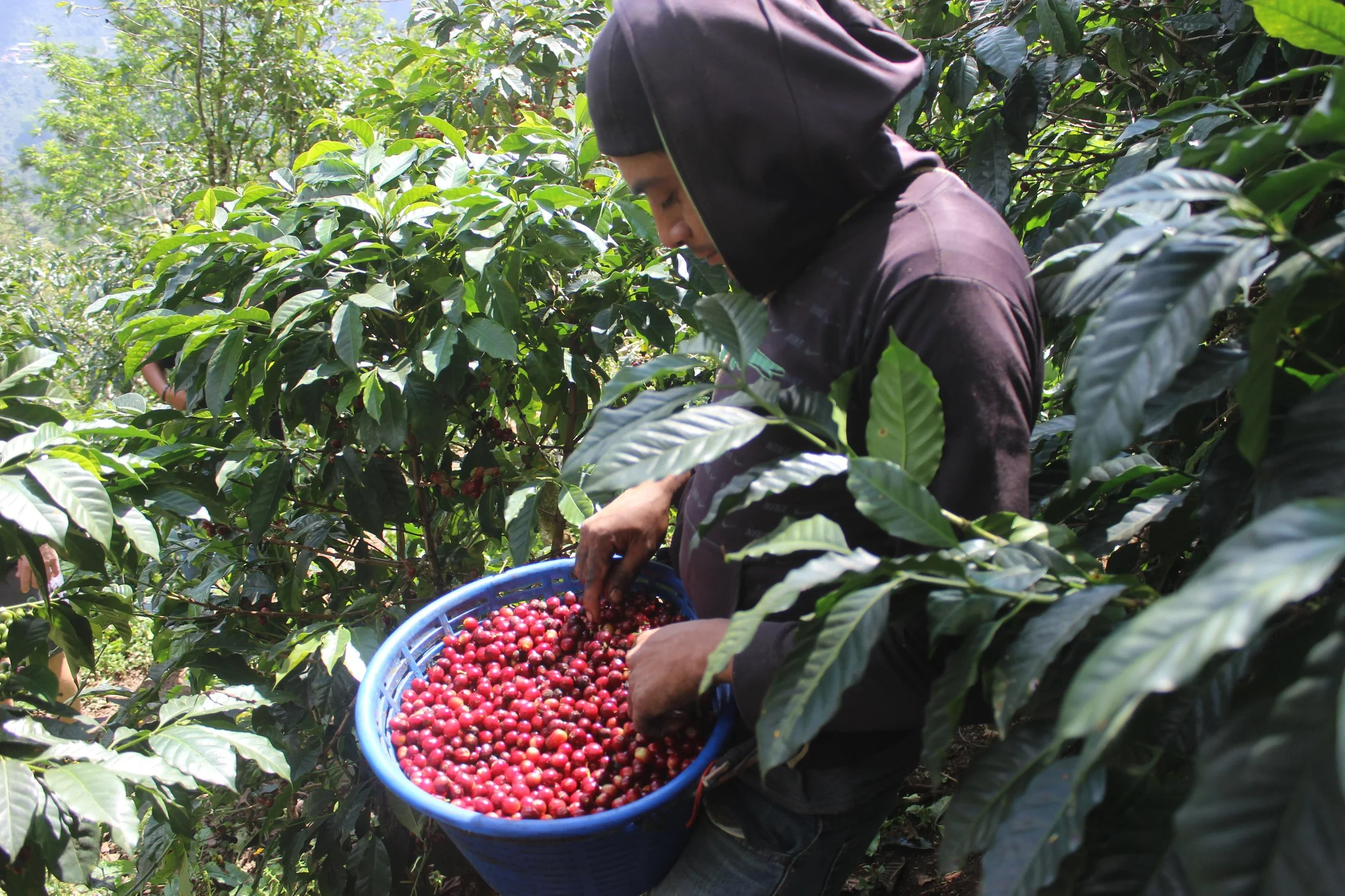
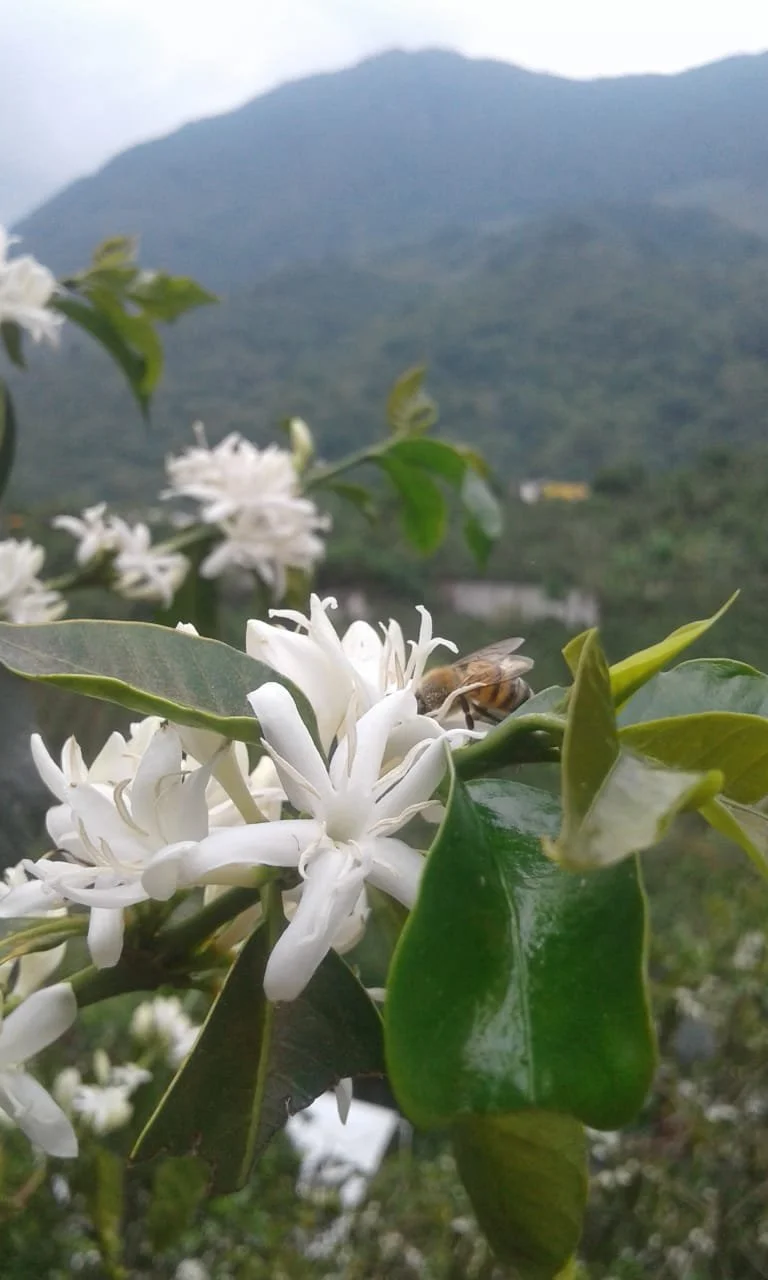
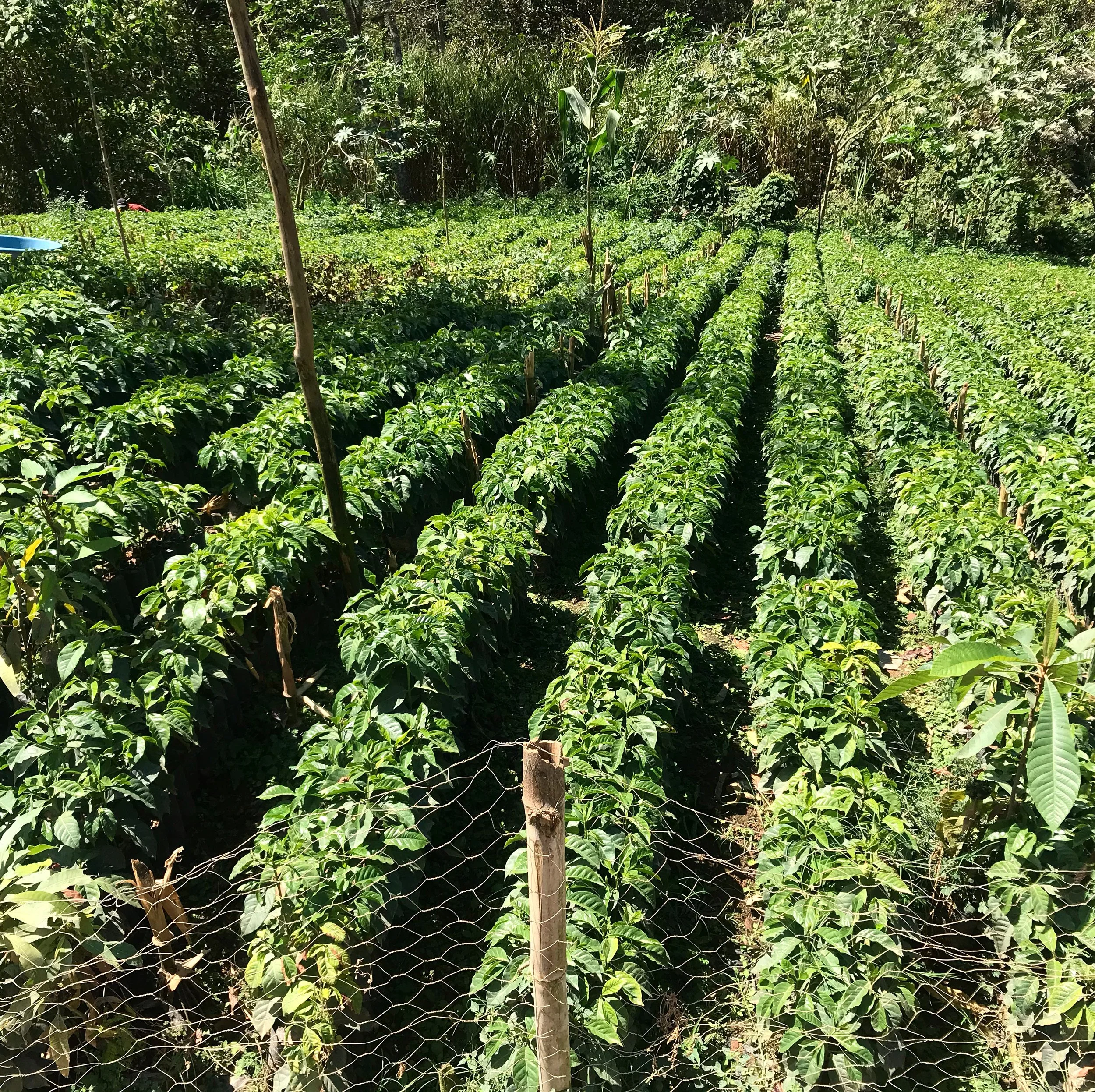
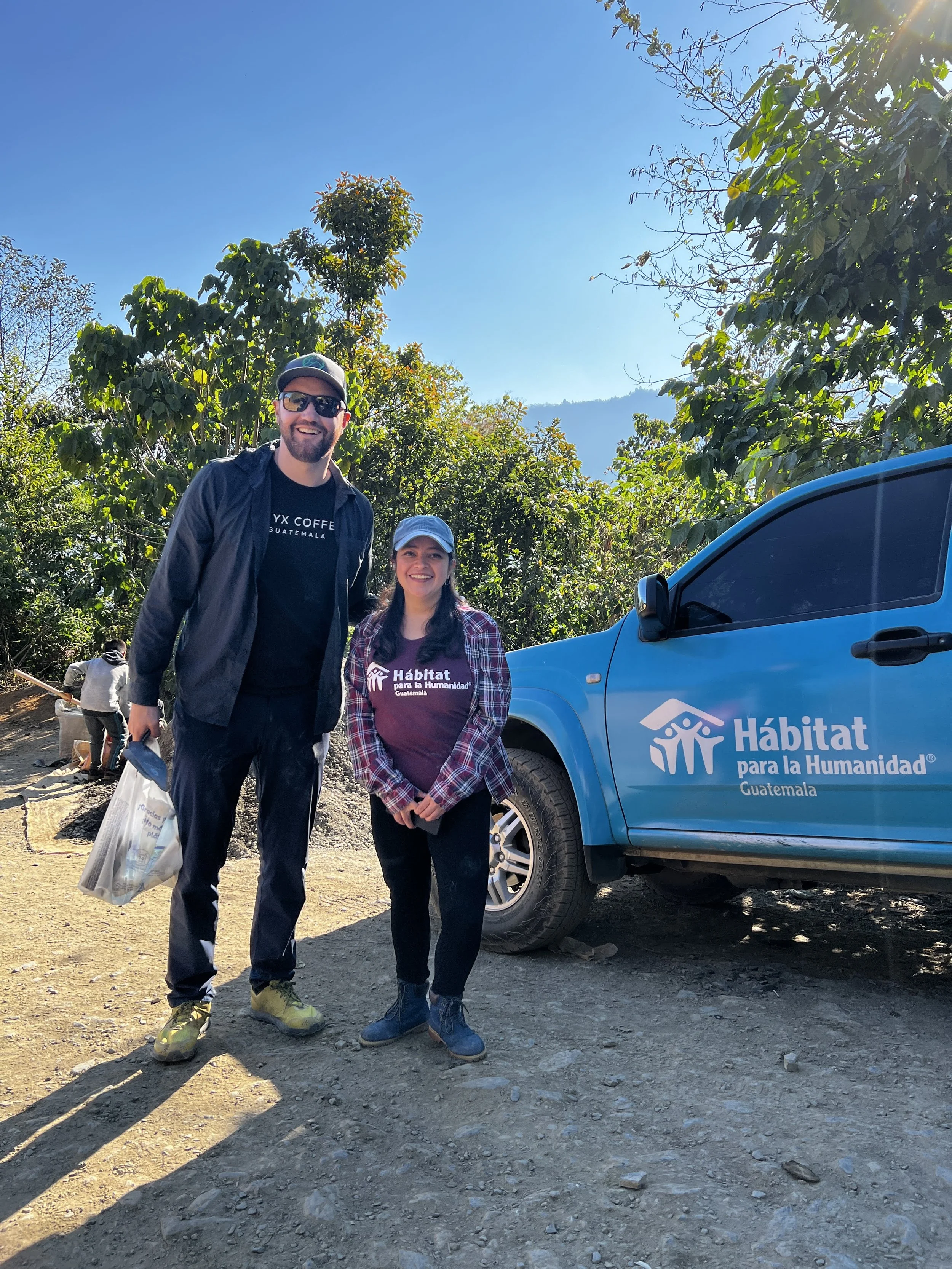
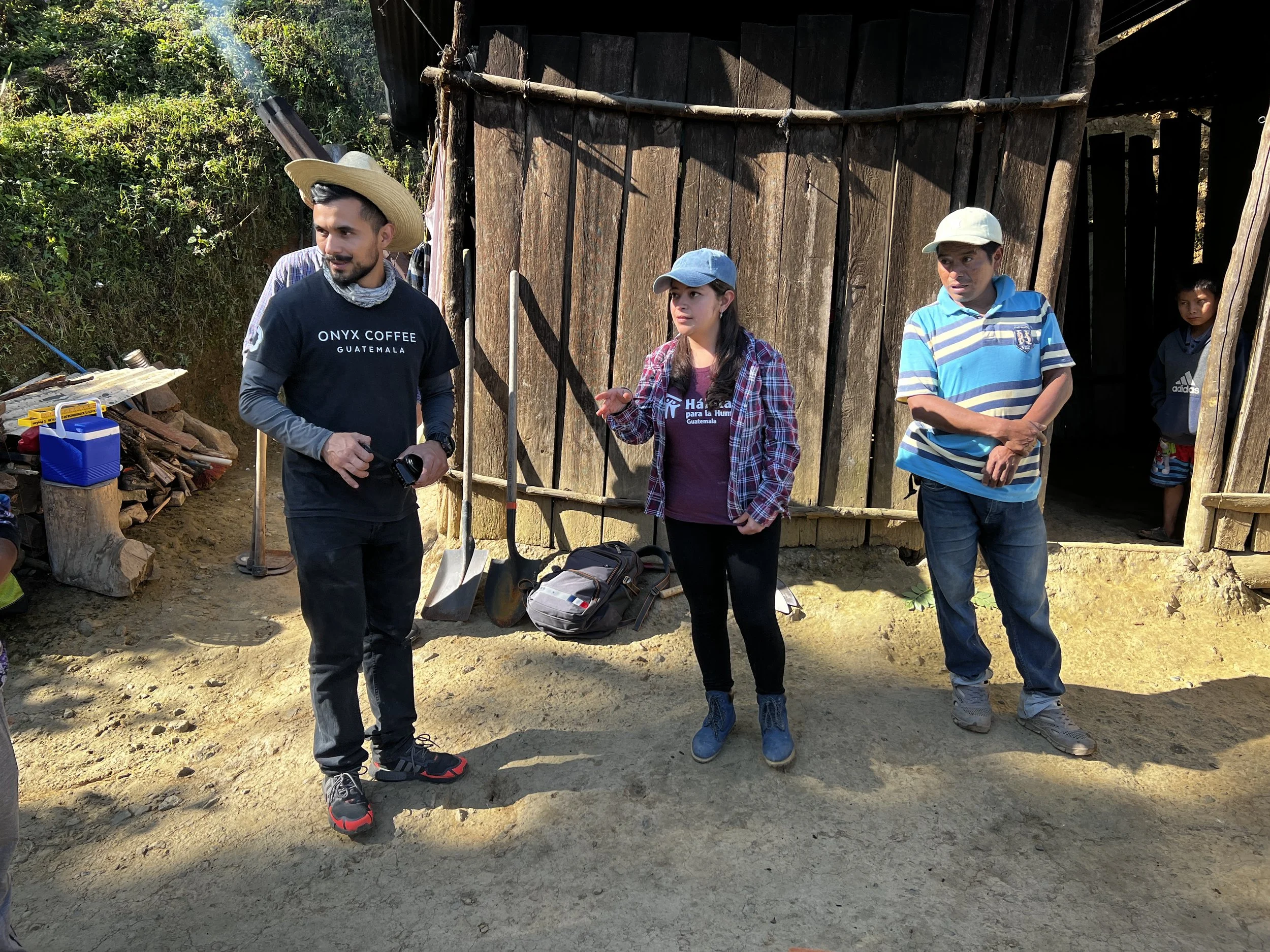
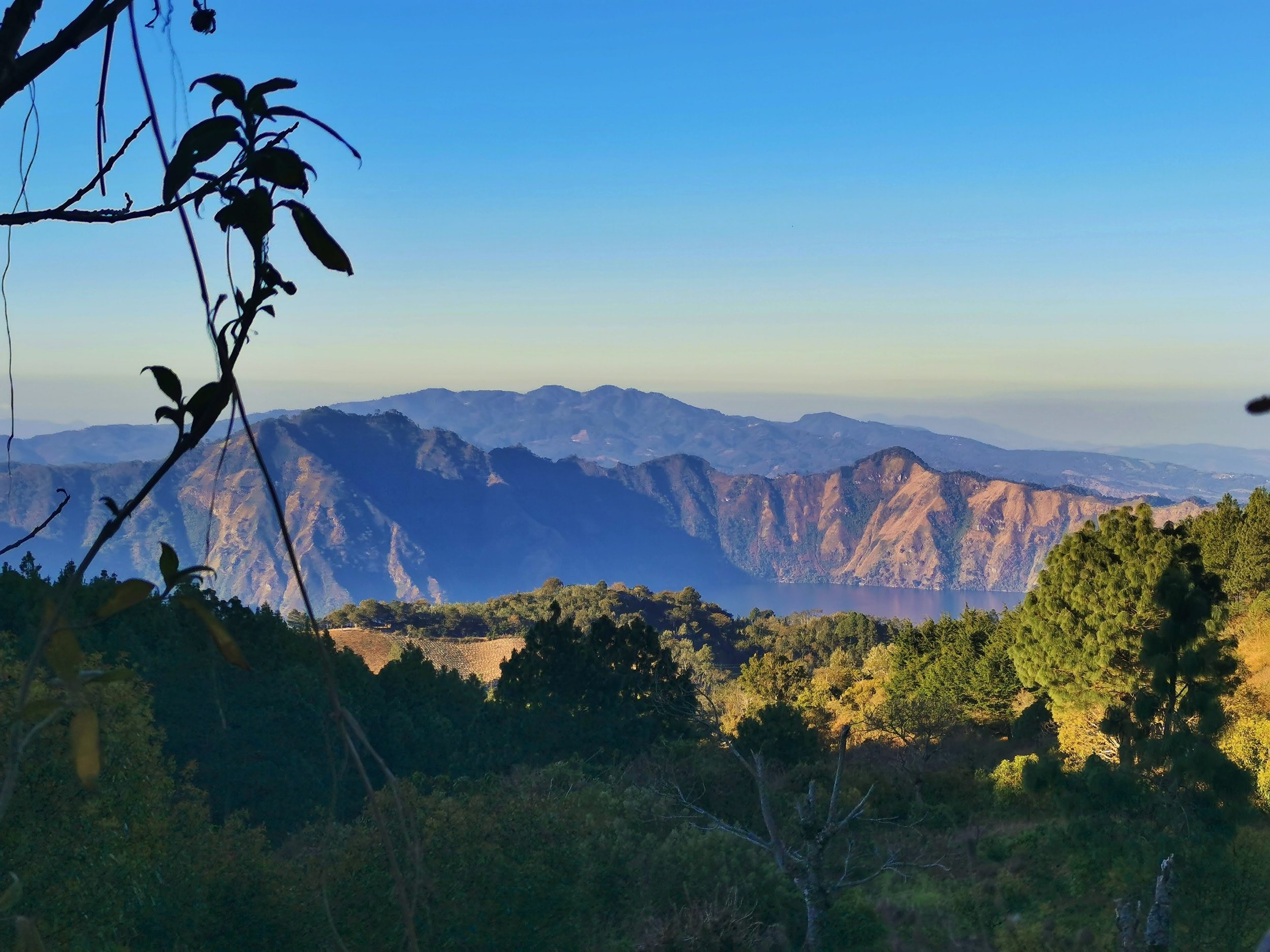
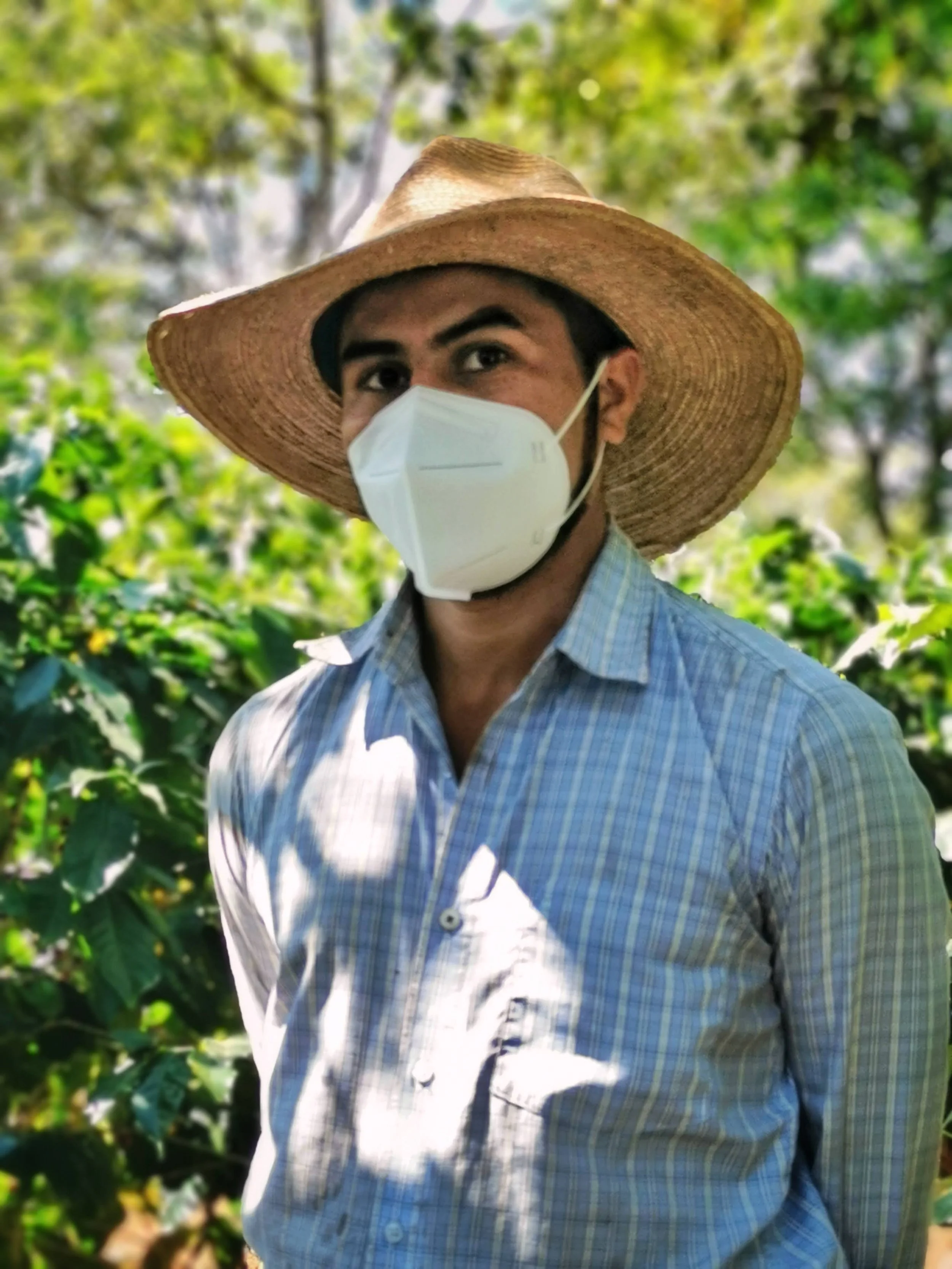
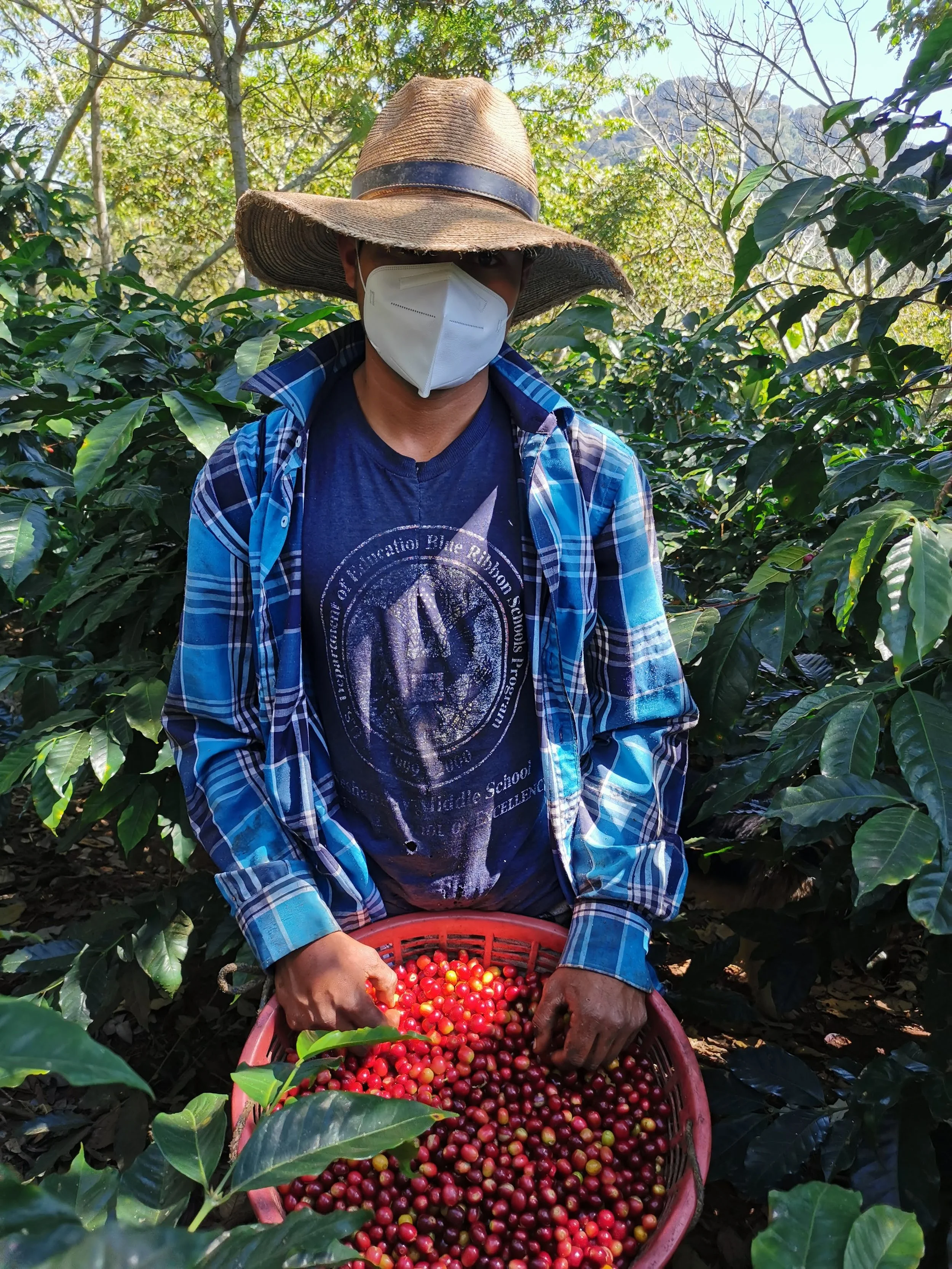
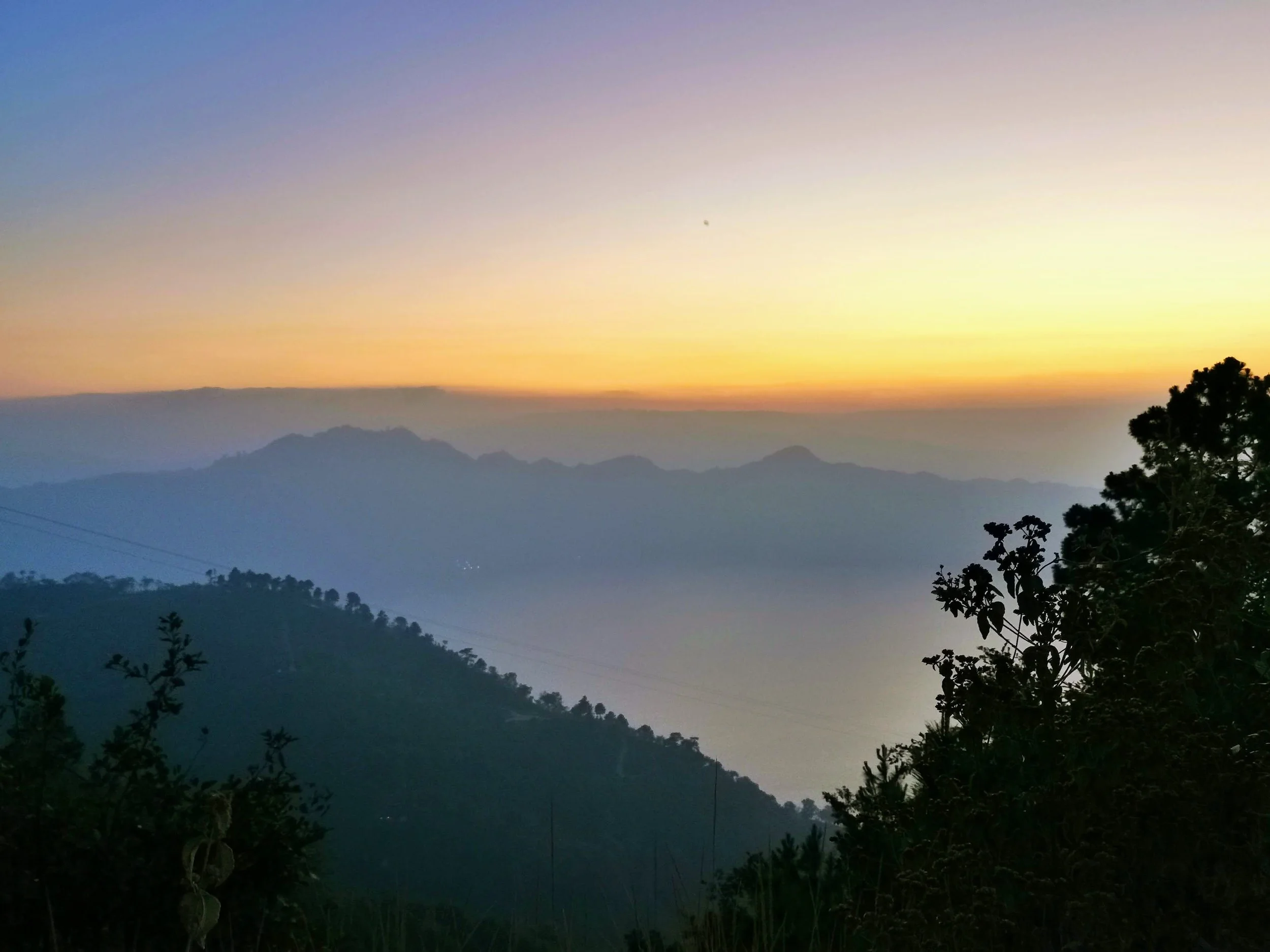
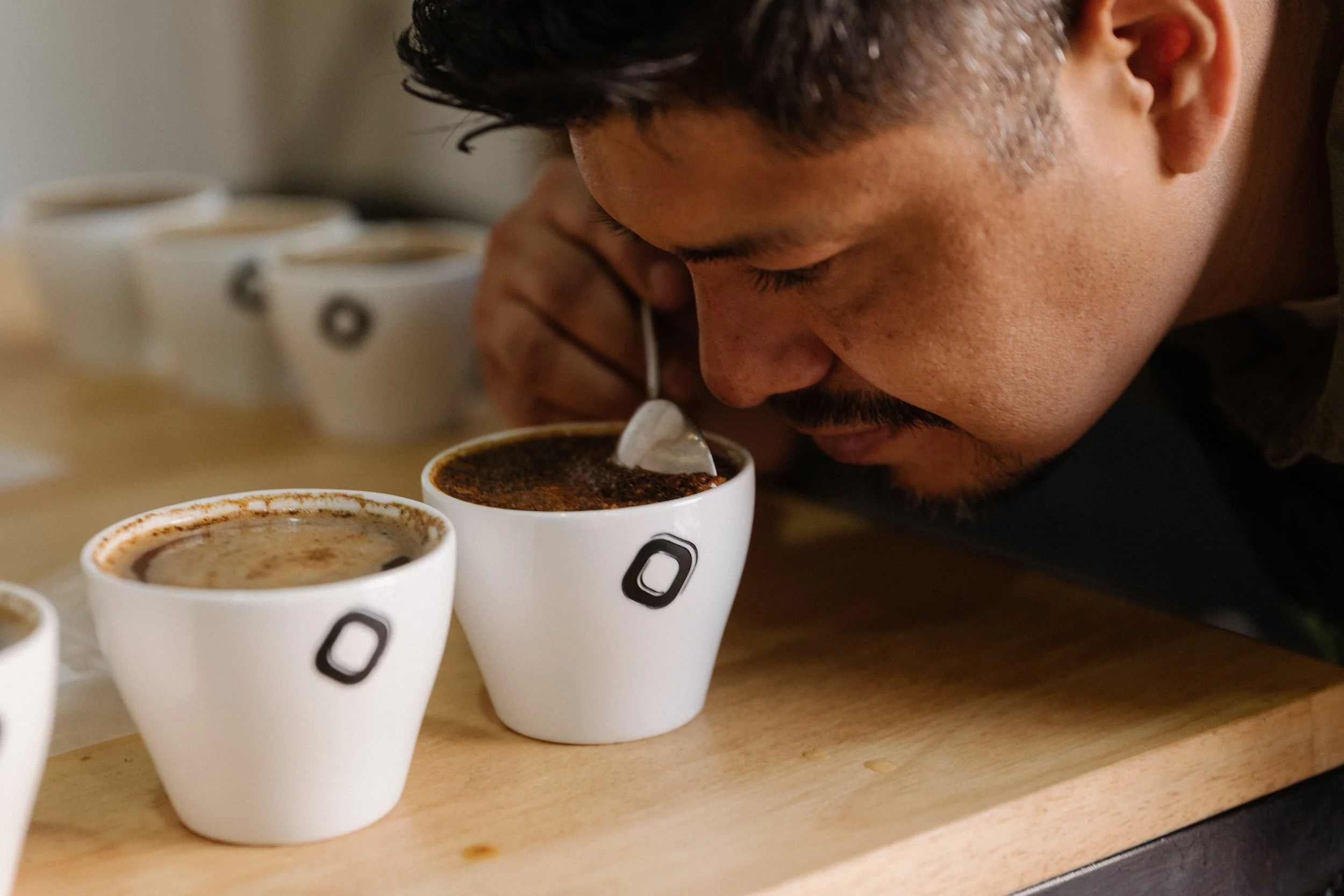
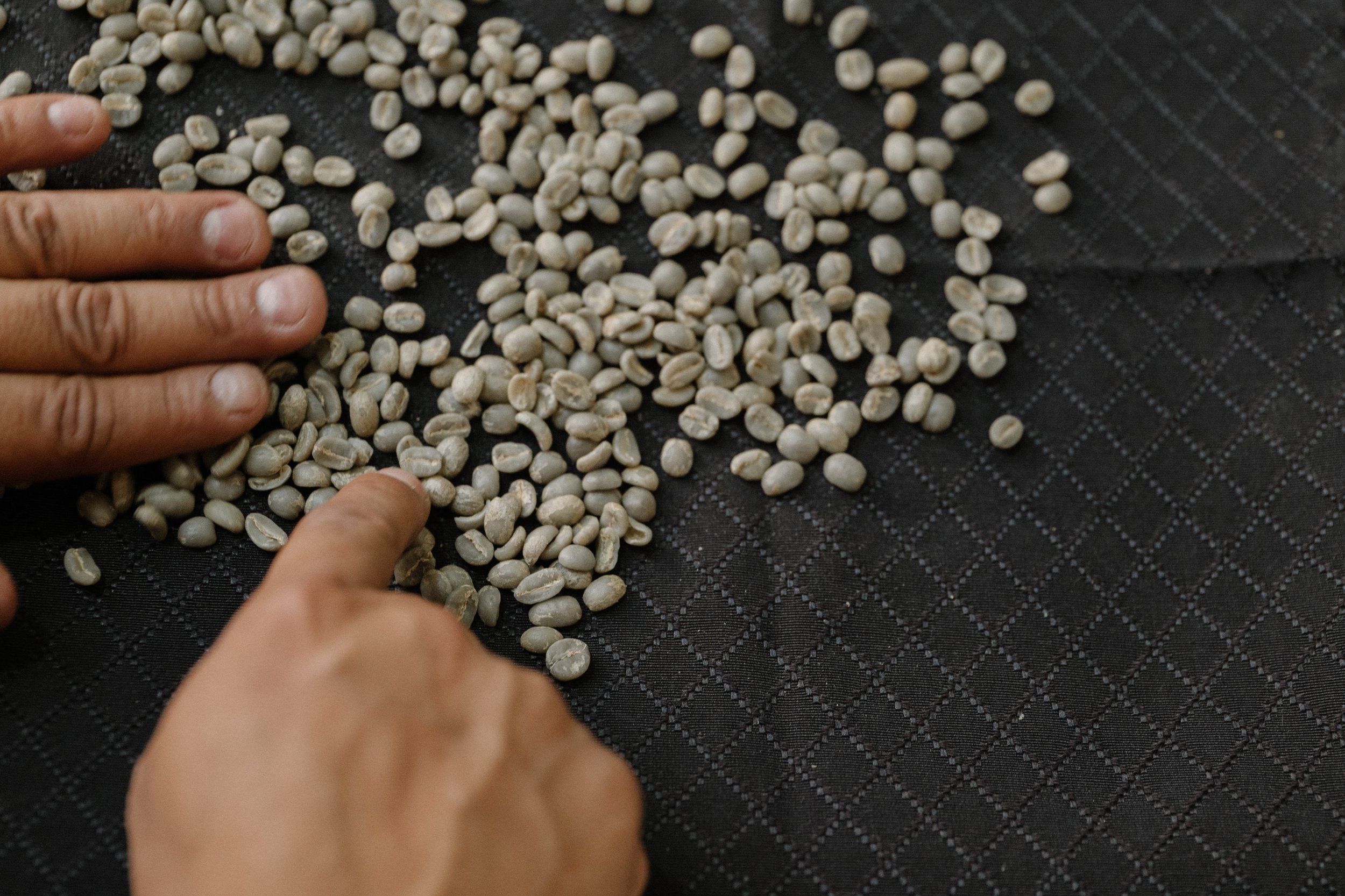
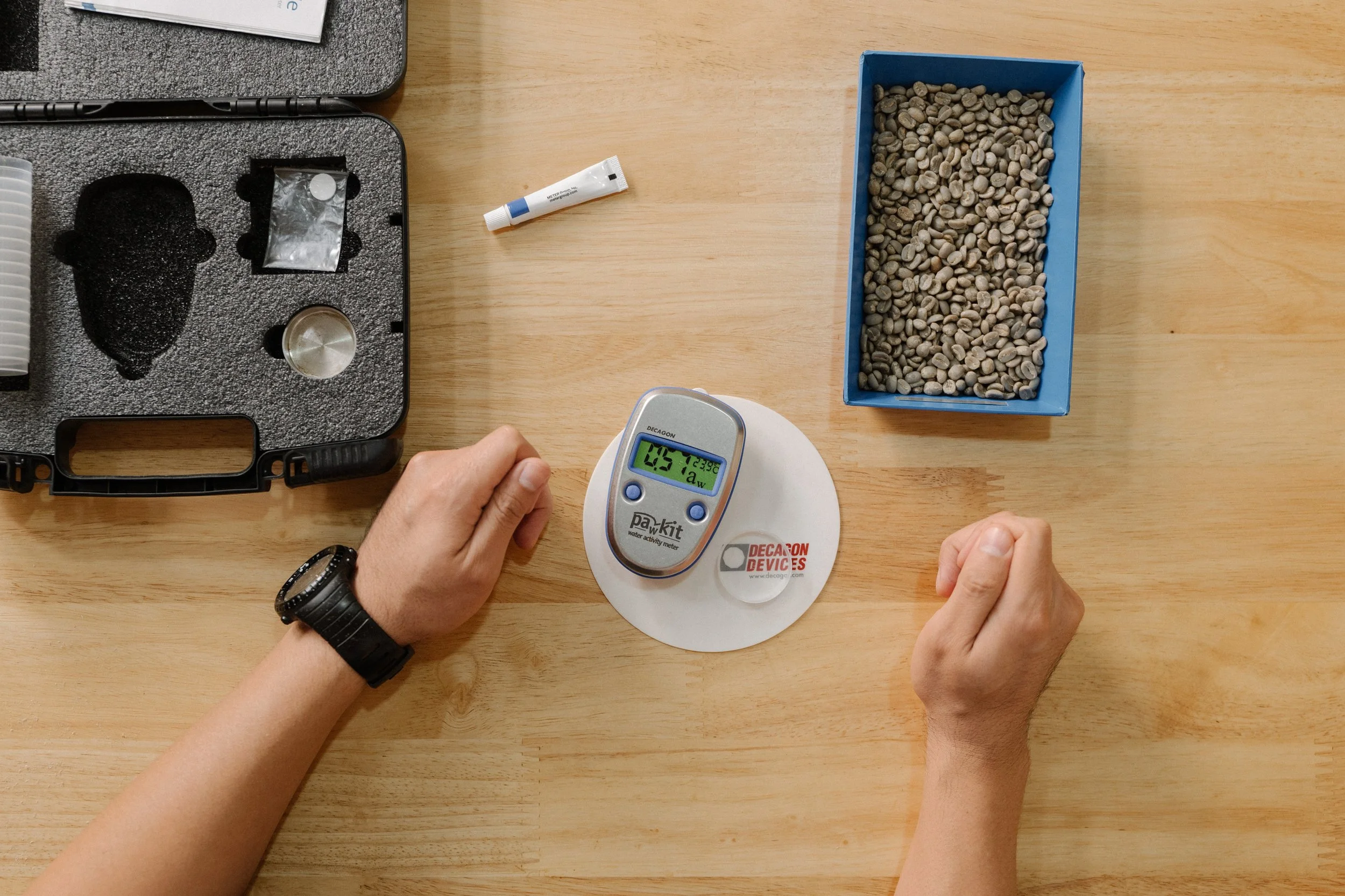
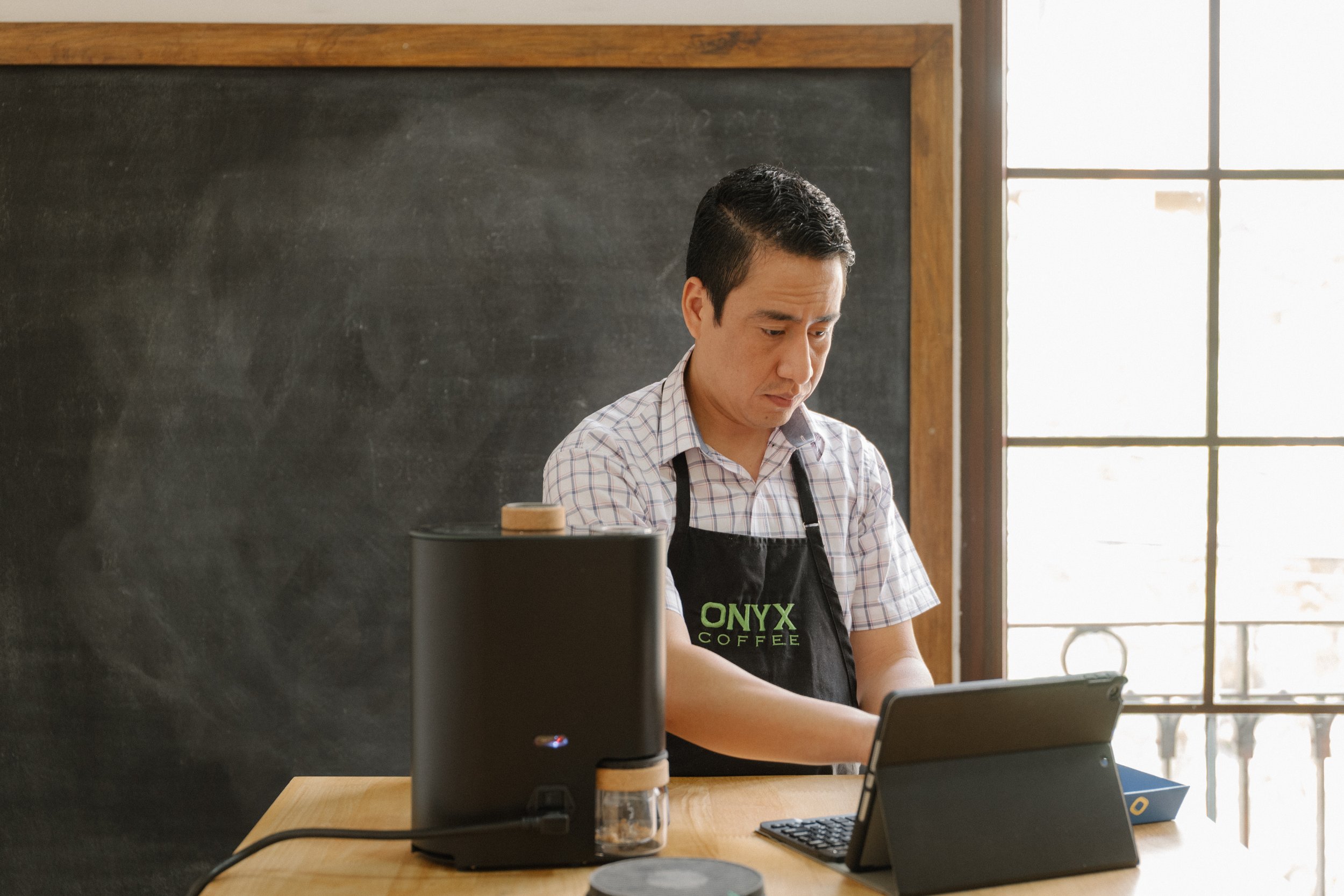
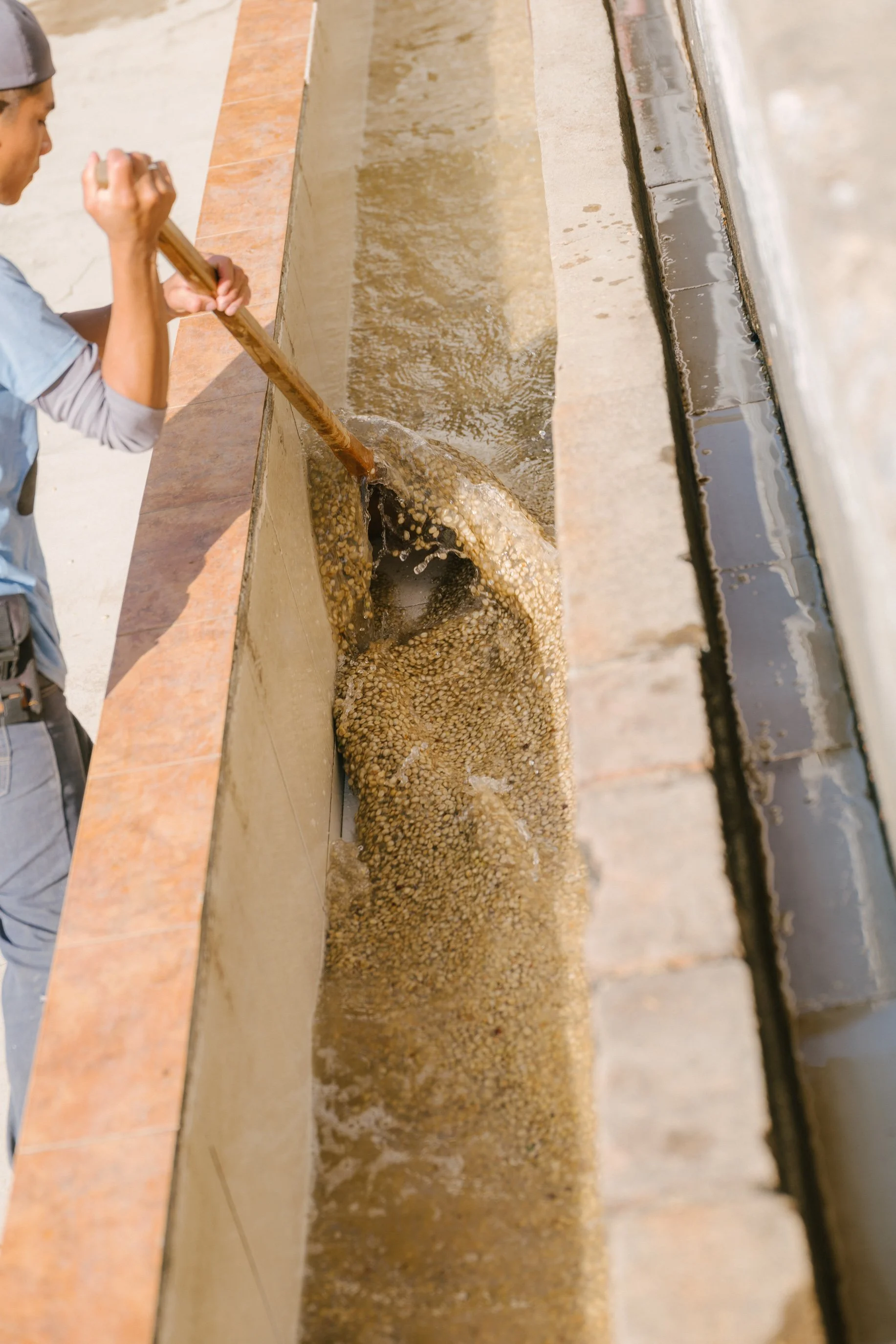
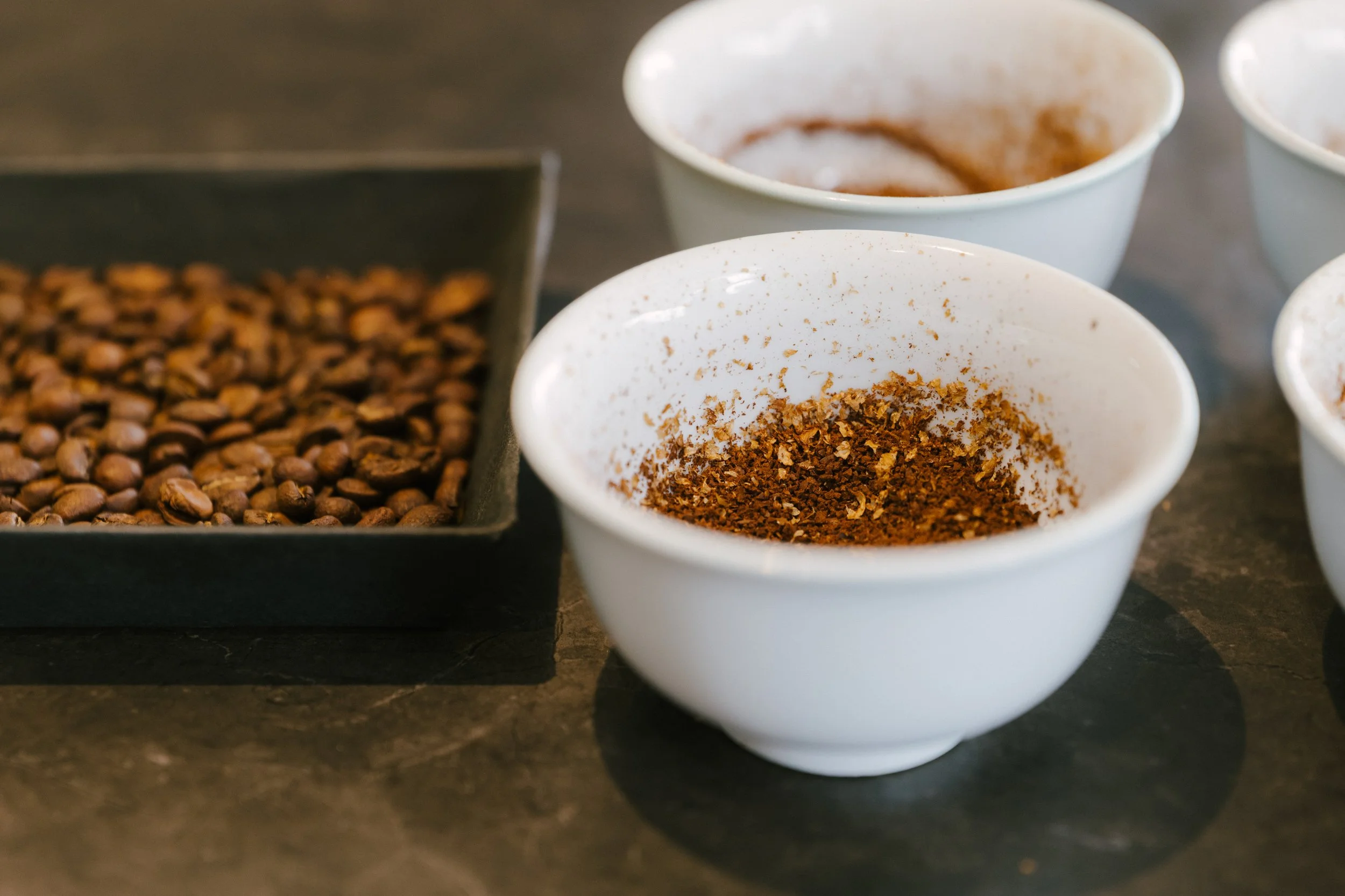
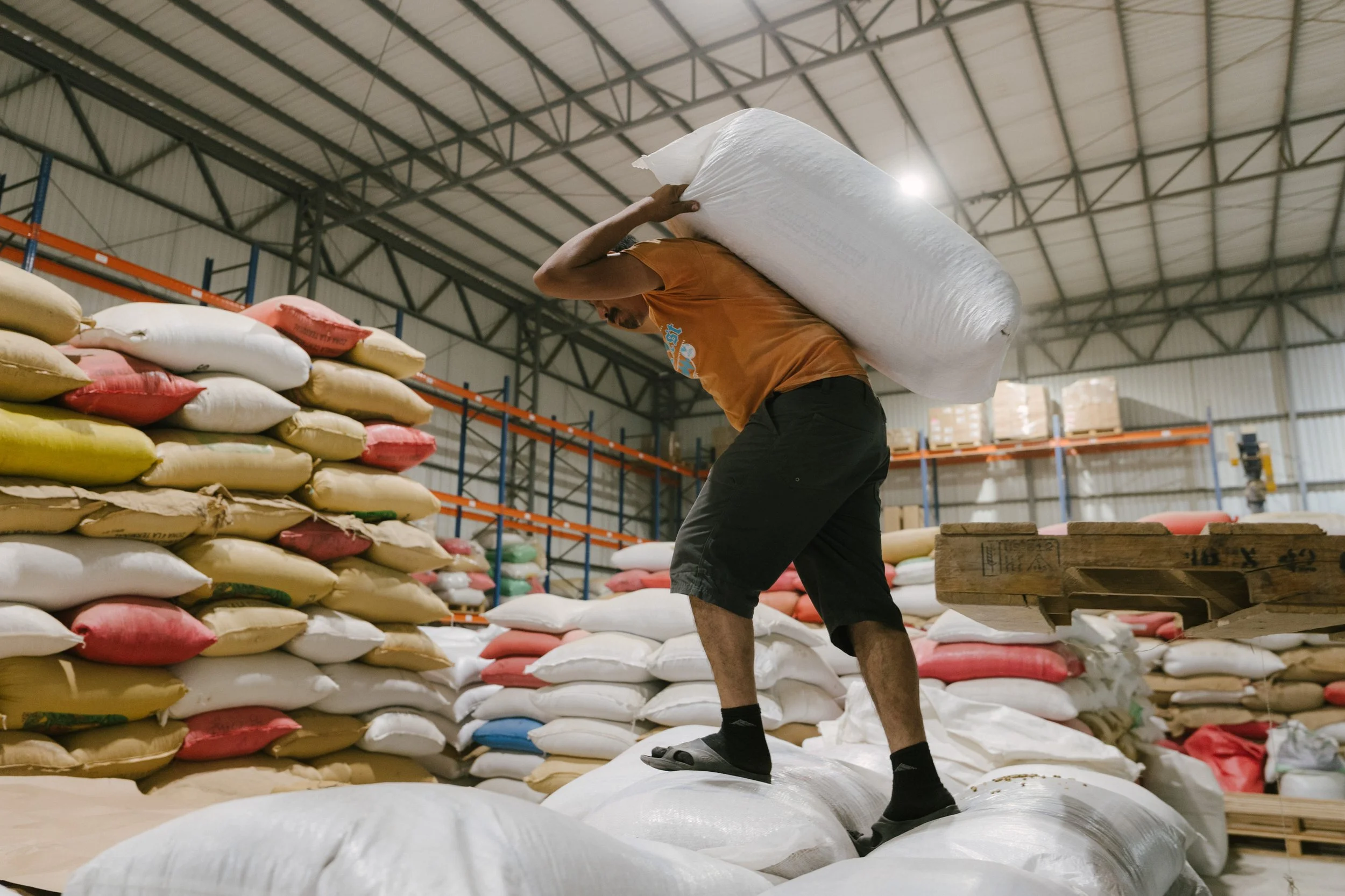
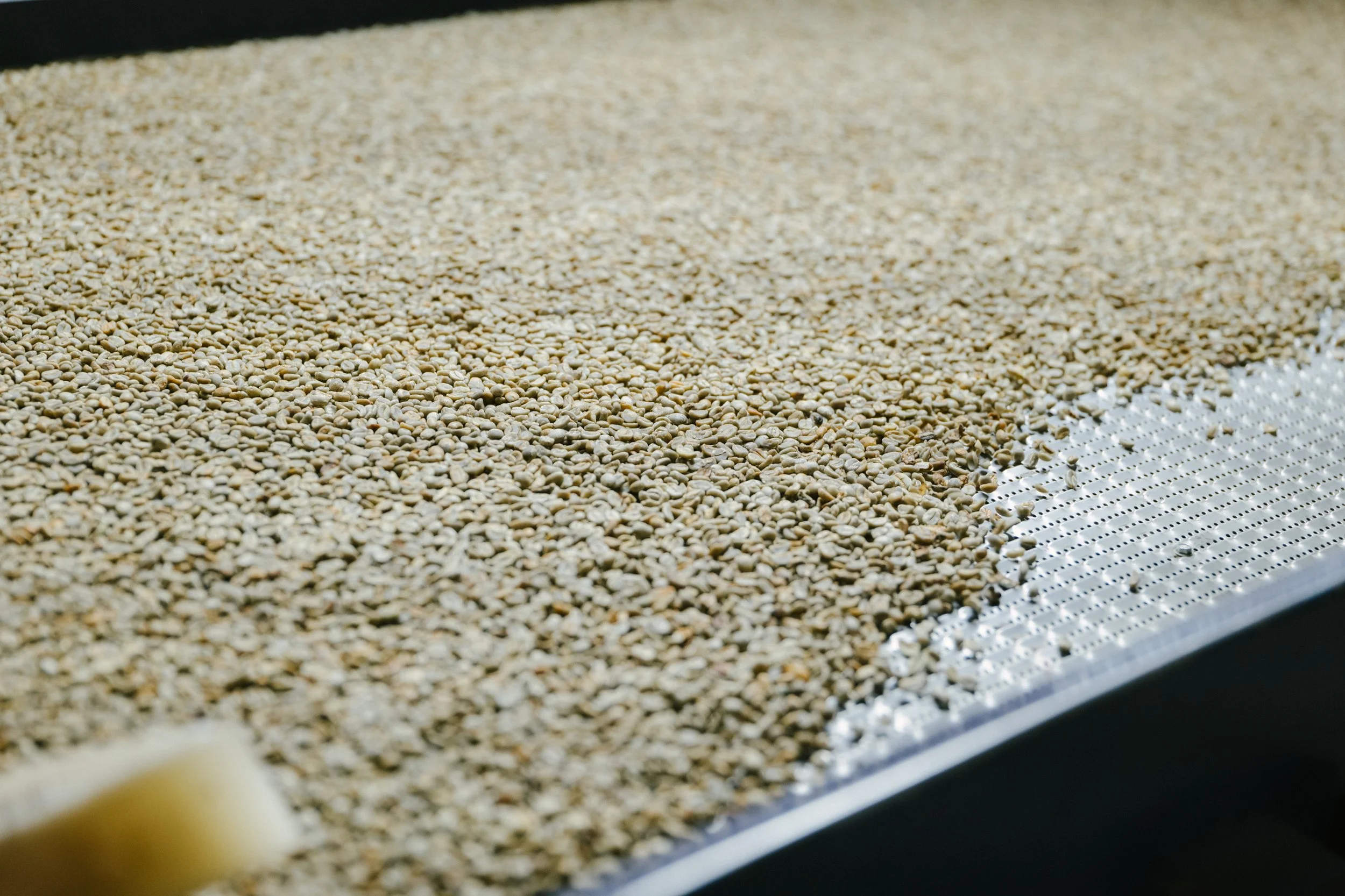
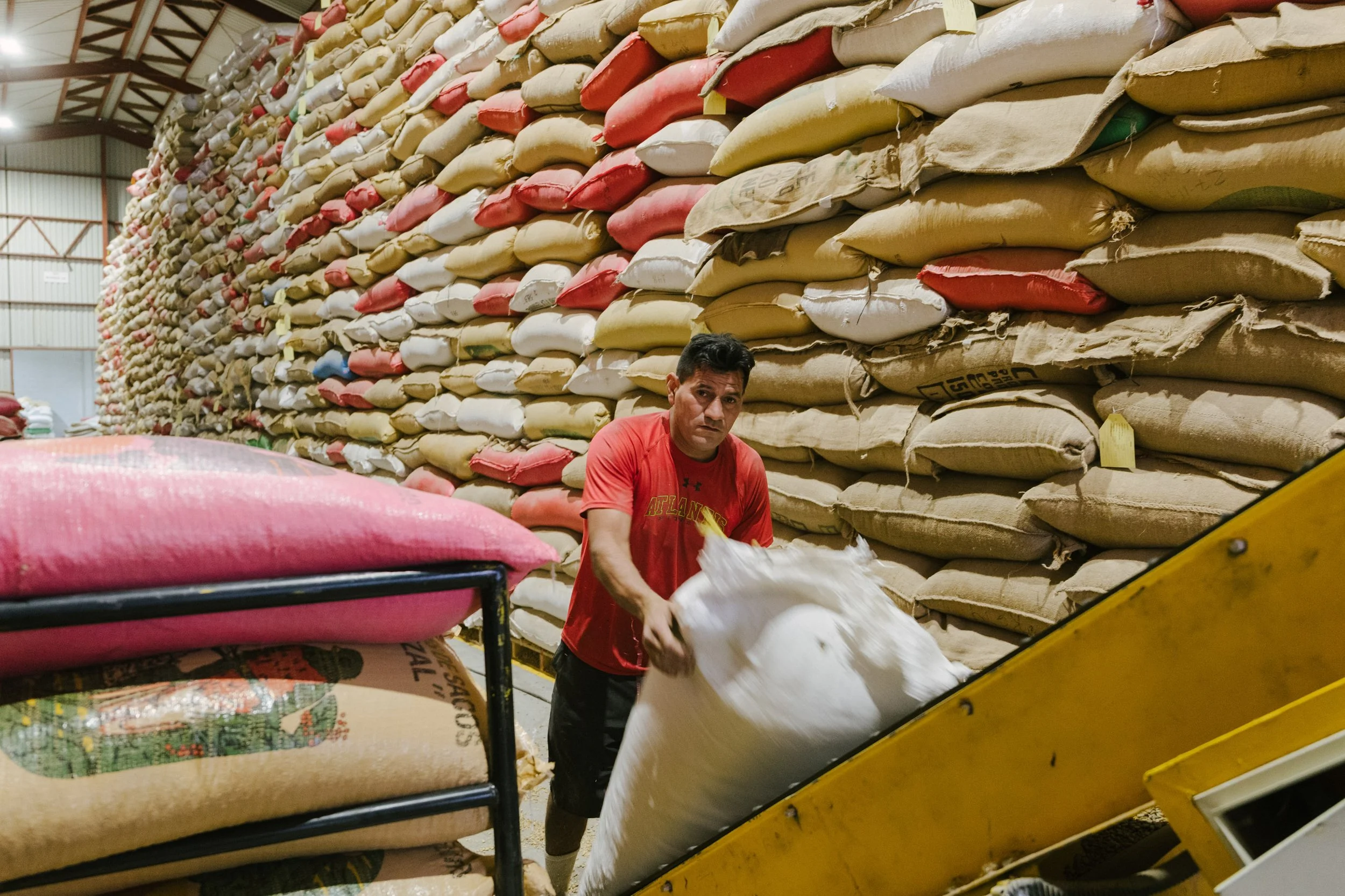
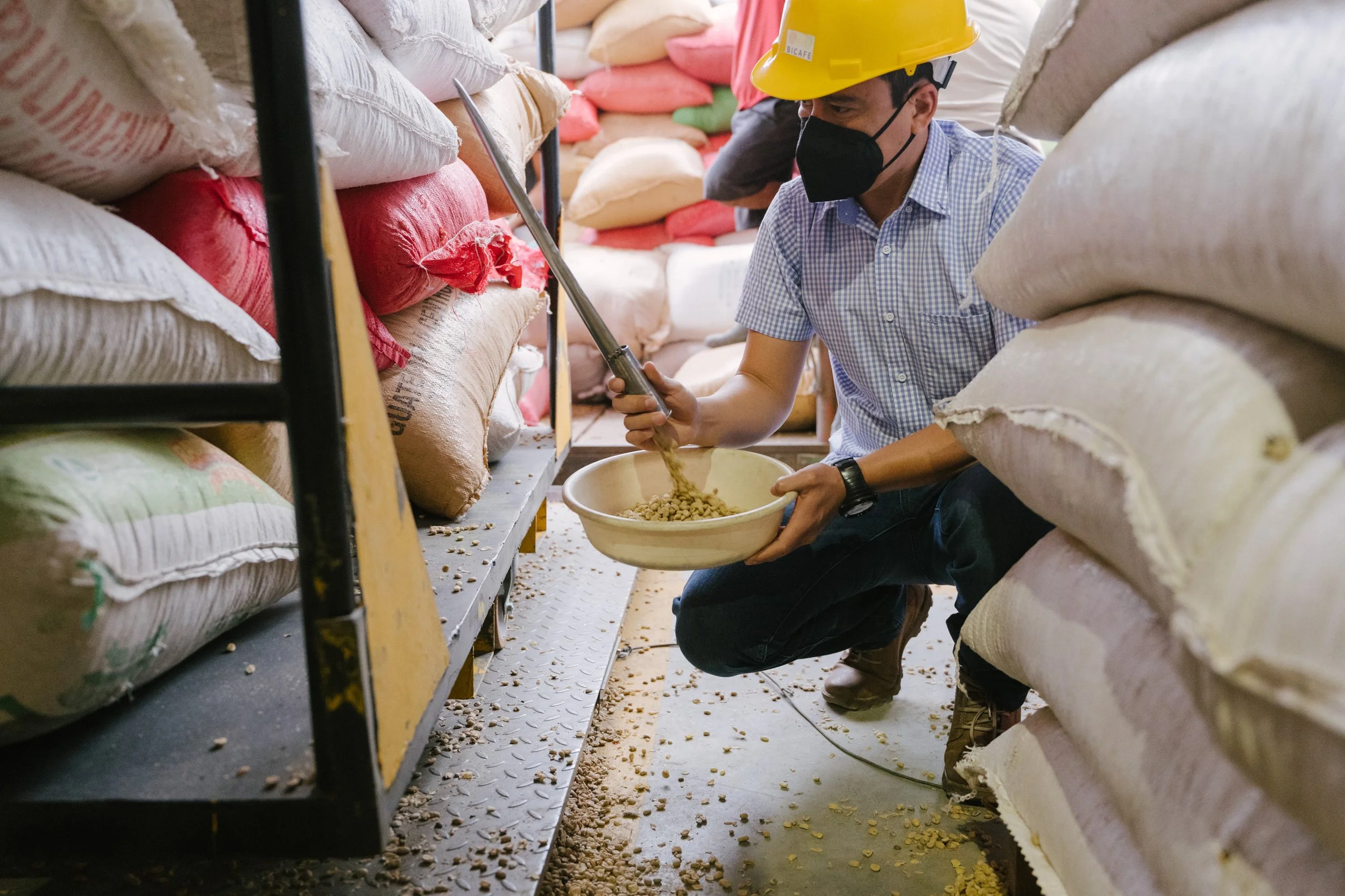
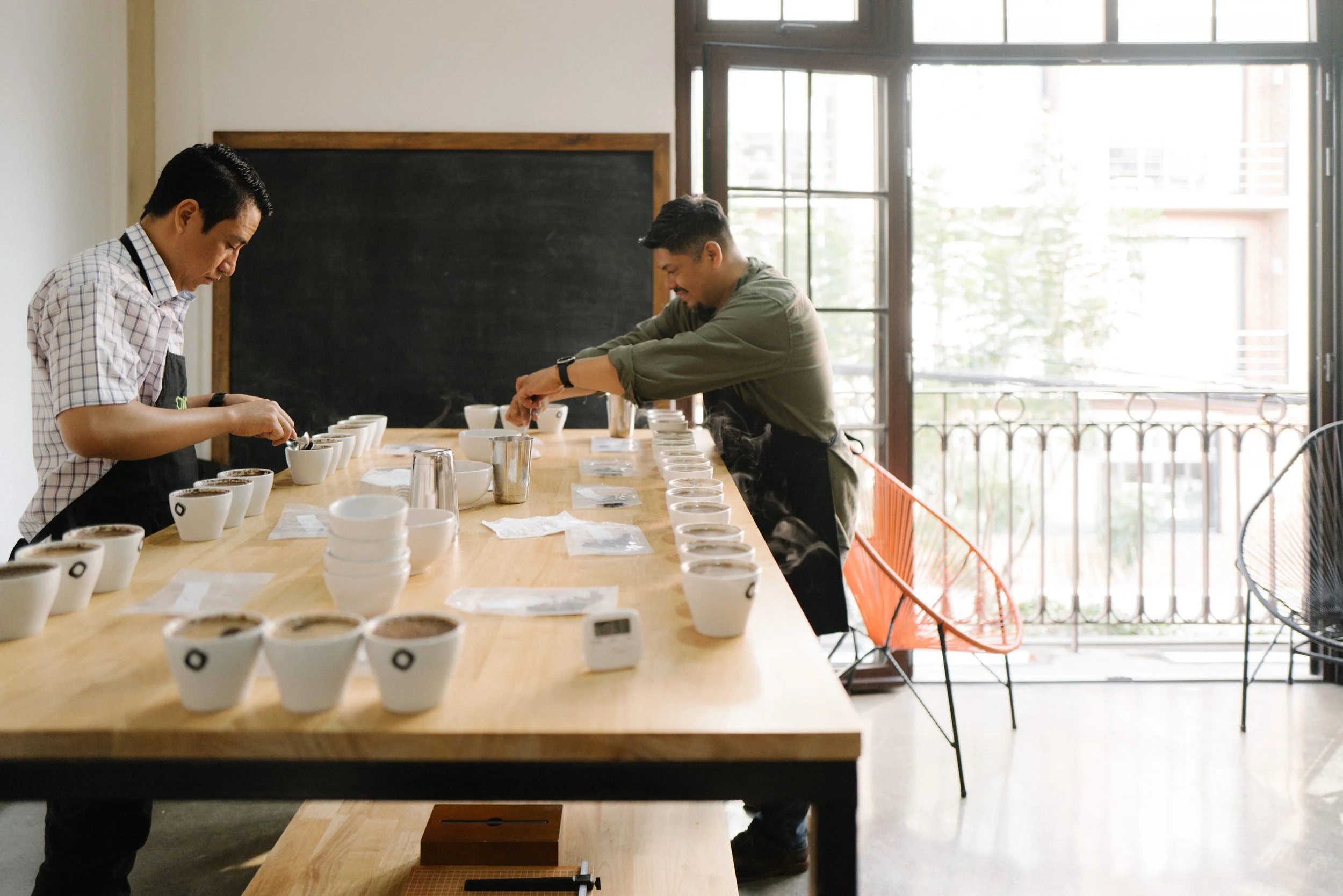
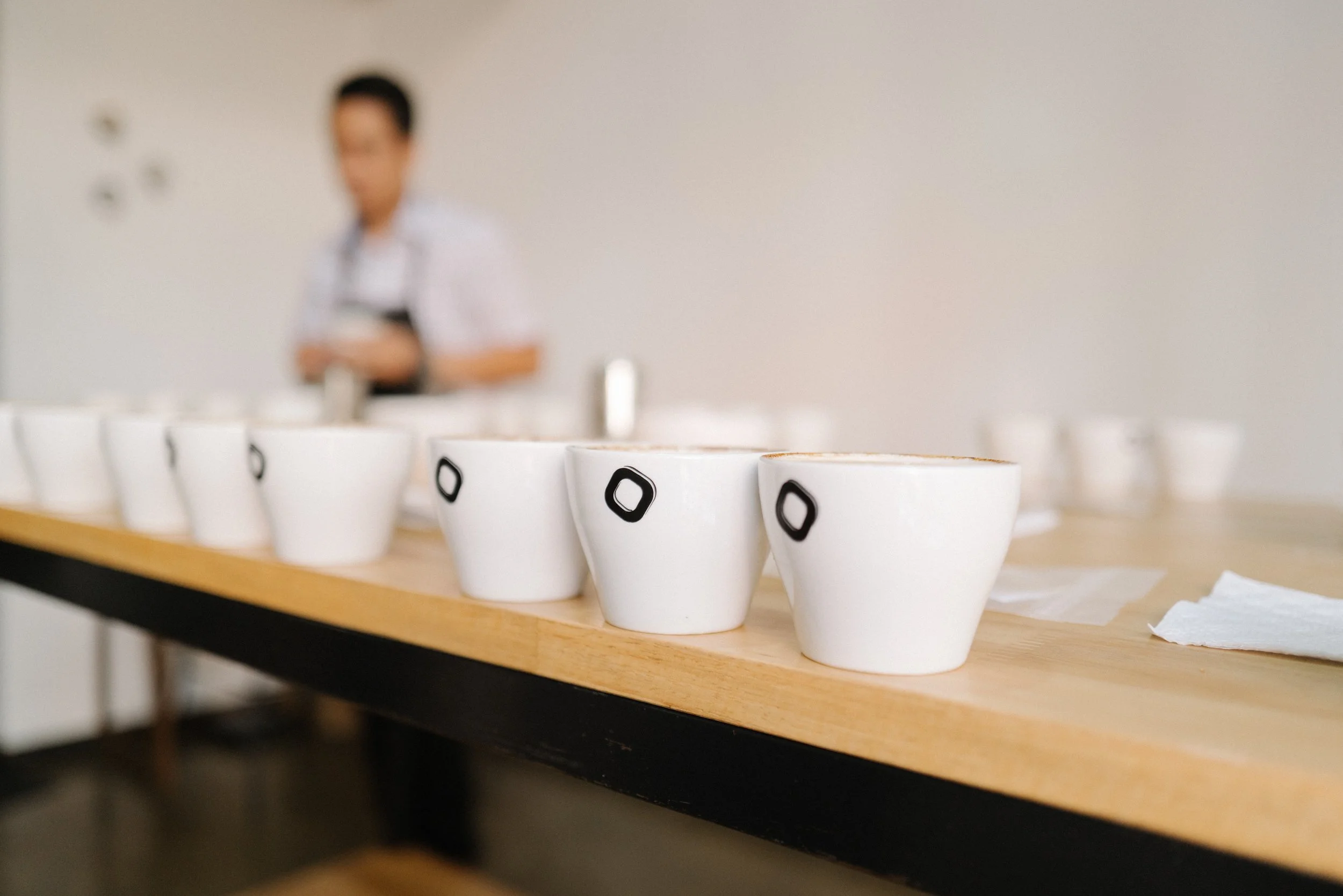
Alma is not a single-farm coffee. It is a carefully selected regional blend assembled through producing families, cooperatives, associations, and vendor partners across Guatemala, particularly from Huehuetenango through Nuevo Oriente. The sourcing team behind Alma describes its goal as creating a consistent, clean, lightly fruity coffee. They treat this series as a science, blending these coffees in a way that tastes (and brews!) consistent. Just look at their QC lab in the pictures above and you’ll have. anew respect for what our Guatemalan importing partner, Onyx, does.
The name Alma means “soul,” and that idea fits The Classic almost perfectly. This series when we really think about it is not about chasing novelty strictly for novelty’s sake. It is about finding the soul of the flavors people already associate with coffee, then showing how good those flavors can become when the coffee is grown, processed, selected, and roasted with care. I love these types of coffees when they’re done well, and I also see them as being an amazing opportunity for drinking and brewing lightly roasted coffees full of unique acidity without the need for bitterness! Brewing them is also effortless - more on that below!
WHAT TO EXPECT
Rich Chocolate • Juicy Pear • Macadamia Nut
The first impression is sweetness and chocolate. That familiar foundation is what makes Alma immediately approachable, but there is considerably more happening underneath it.
Though you may taste plum, mandarin, and cranberry as the weeks progress like our Importers said, we are getting a beautiful chocolate powder mid note and finish with this coffee. Juicy pear and macadamia nut wrap around this coffee in a complex and wonderful way. The importer describes the coffee as chocolate-forward with a juicy body, which is exactly the balance we want from The Classic. Elevated American Diner coffee!
If Tikis & Hot Rods exists to make coffee taste almost unrecognizable, The Classic lives at the other end of the spectrum. It reminds you unmistakably of coffee, but hopefully makes you realize how much better “familiar” coffee flavors can taste.
GIVE THIS COFFEE SOME TIME
The Classic is delicious early, but a little patience brings out more of what we love about it. As the coffee rests, the sweetness becomes deeper, the texture gets rounder, and those chocolate, nutty and soft fruit notes start to settle into place.
We recommend giving it around 21-30 days after roasting before really judging the bag. From there, expect it to continue opening up and becoming sweeter and more balanced over the following weeks and months. We’ve been drinking these coffees for 9-12+ months post roast and storing them in the same bag they came in and they have been tasting absolutely incredible! Some roasters coffee oxidizes within weeks, ours tends to only get better and better!
Welcome to “American Diner” coffee done right!
-
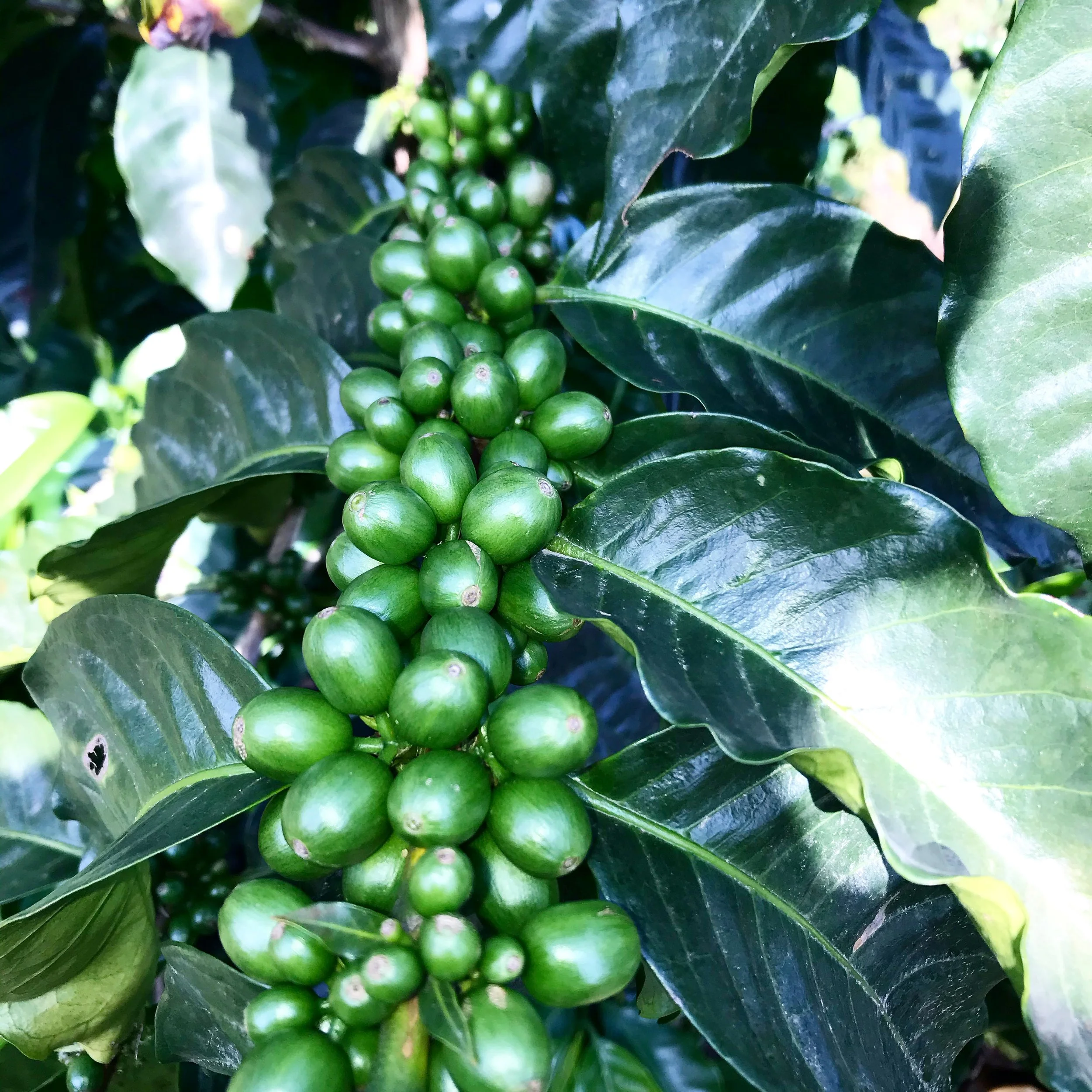
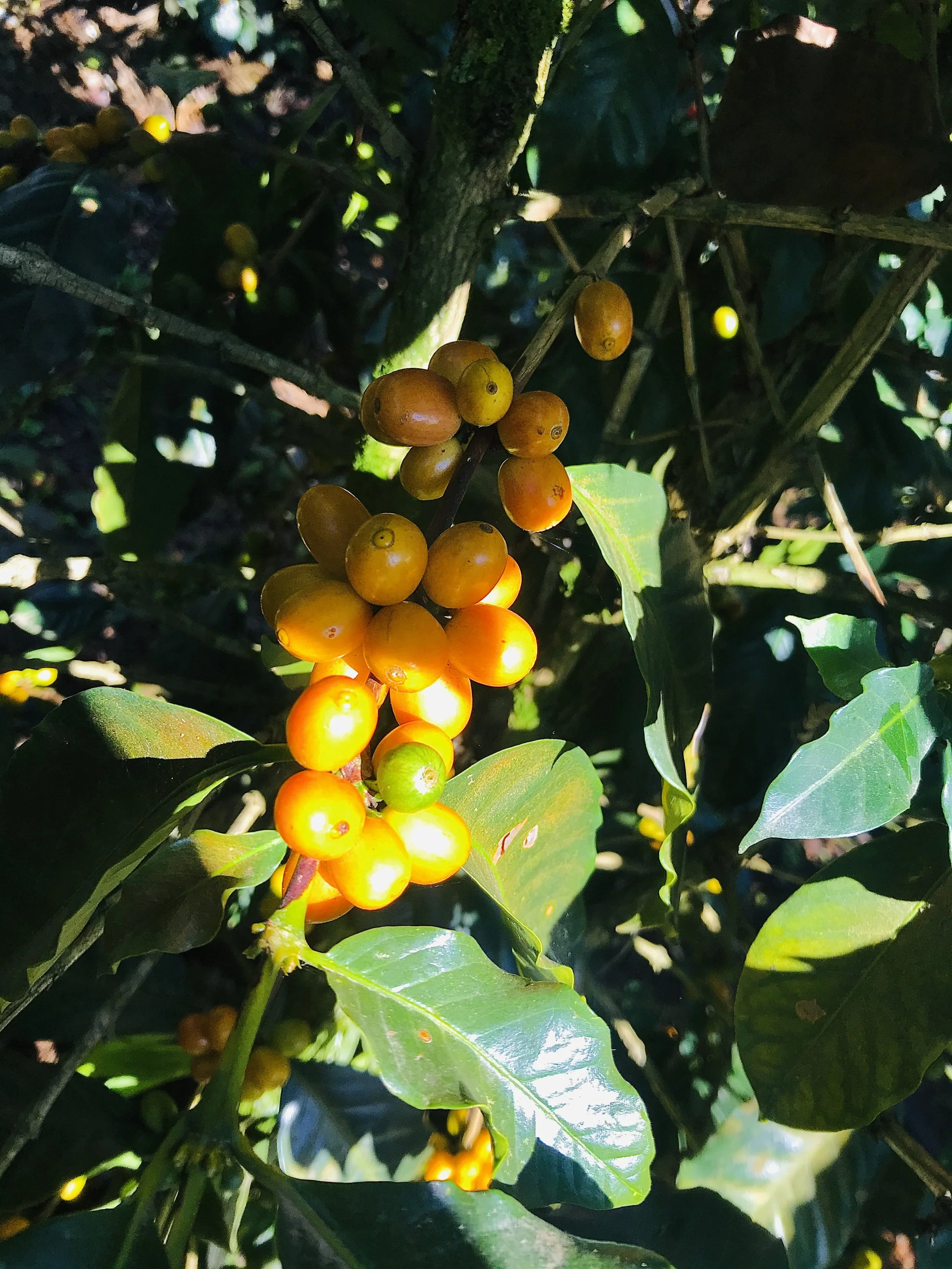
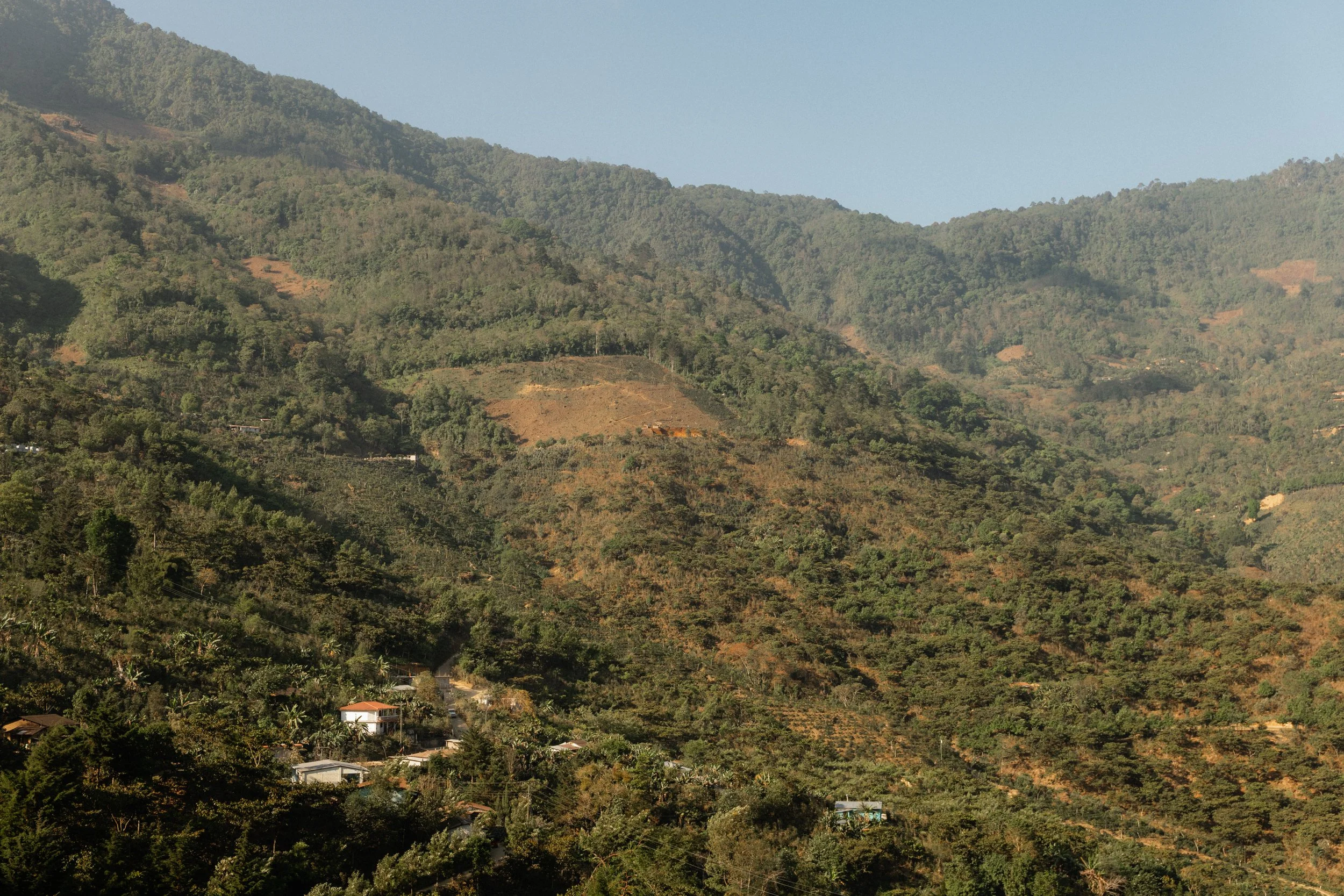
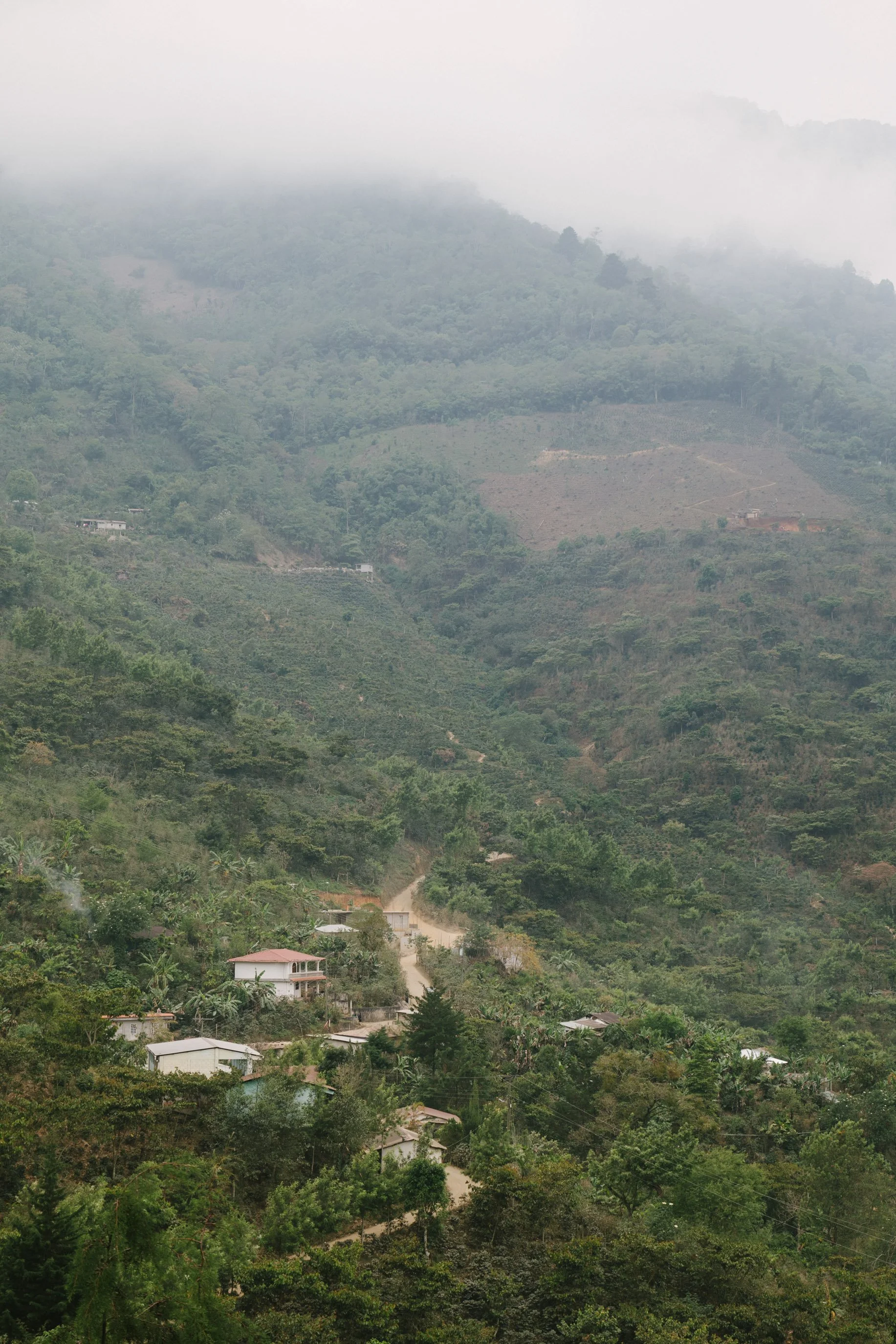
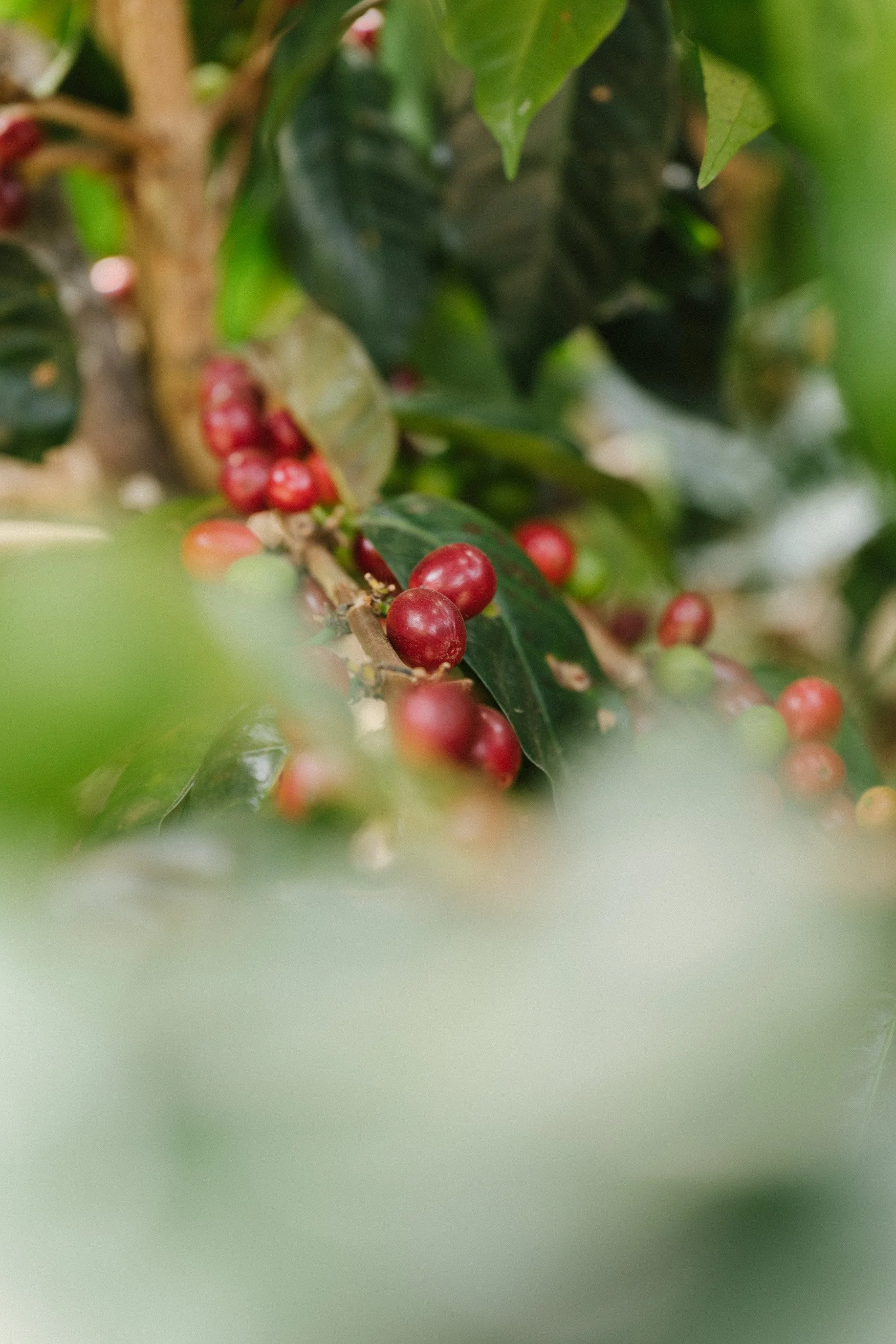
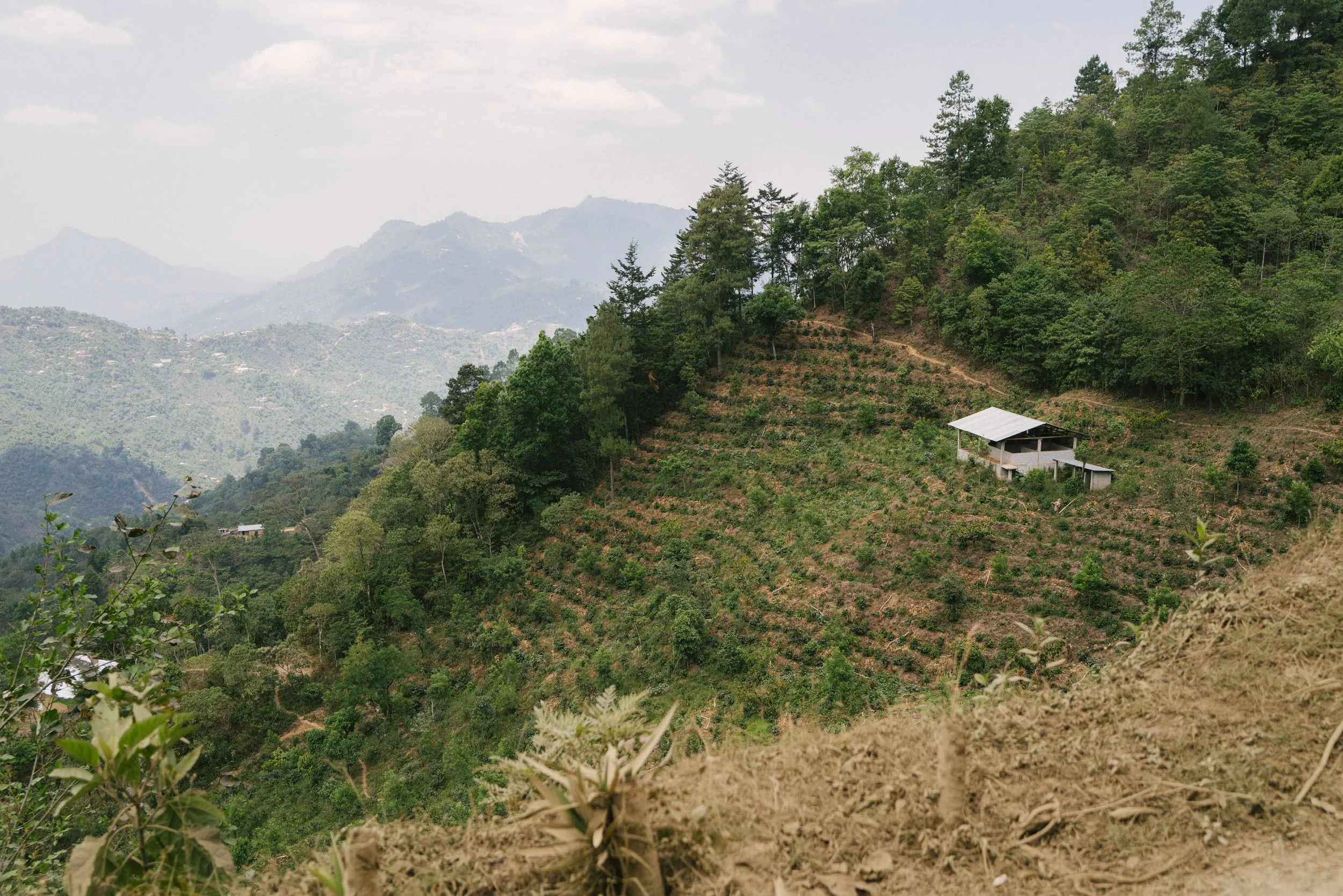
Alma comes from Guatemala, with sourcing across Huehuetenango and Nuevo Oriente at approximately 1,500 to 1,800 meters above sea level. The lot overview lists Bourbon, Caturra, and Pache among its varieties.
This is a washed coffee. The process information supplied for Alma describes a 24-hour fermentation followed by approximately nine days of drying on concrete patios. As expected, we talk about processing in a lot more detail below!
Origin: Guatemala
Regions: Huehuetenango + Nuevo Oriente
Elevation: 1,500–1,800 MASL
Varieties: Bourbon, Caturra, Pache
Process: Washed
Fermentation: 24 hours
Drying: Concrete patios, approximately 9 days
Cup Profile: Rich Chocolate, Juicy Pear, Macadamia NutImporter: Onyx
-
Brewing Difficulty: 1 / 3
This is the coffee in our lineup that we want to be extremely easy to live with.
You should not need laboratory conditions and a twelve-step pouring routine to make Alma taste good. Its chocolate foundation, fruit sweetness, and juicy body give it a wide enough window that it can work across batch brew, automatic brewers, pour over, espresso, AeroPress, French press, and plenty of other methods with absolute ease!
For filter coffee, we would begin somewhere around a 1:16 to 1:17 coffee-to-water ratio and adjust from there. If the cup tastes thin or lifeless, grind a little finer. If the chocolate becomes heavy or muted and the fruit disappears, move slightly coarser.
More than anything, use the recipe as a starting line rather than a finish line. Water, grinder, brewer, and personal preference matter more than following one recipe perfectly.
ESPRESSO + MILK
Milk Compatibility: 3 / 3
Though this coffee tastes amazing black, and we do not roast for milk-based drinks, this is exactly the kind of coffee we love underneath milk.
Chocolate, nuts, and ripe fruit hold their ground well in a cappuccino or latte, while the flavors give the drink enough brightness that it does not simply become sweet milk with some roast flavor underneath it.
As straight espresso, we want Alma to feel sweet, dense, juicy, and balanced rather than aggressively acidic. In milk, the chocolate cocoa powder becomes more obvious and the fruit tends to read more like a subtle note while the nuts dance around it.
Any water profile should suit this coffee very well.
That versatility is a huge part of why The Classic exists. Easy to brew, and easier to love and appreciate!
-
The temptation with a coffee like Alma would be to roast it darker simply because it is our most traditional flavor profile. That’s not what inspired us to start this business and we obviously want so much more than a cheap blender coffee that’s roasted bitter!
Chocolate does not have to come from roast flavor. Coffee itself can naturally contain flavors that remind us of cocoa, caramelized sugars, ripe fruit, nuts, spices, and all kinds of other familiar foods. Our goal is to develop enough sweetness and body to make Alma comforting while preserving the juicy acidity and complex nuttiness character that make the coffee interesting.
The result should feel familiar without tasting generic. That distinction matters a whole lot to us.
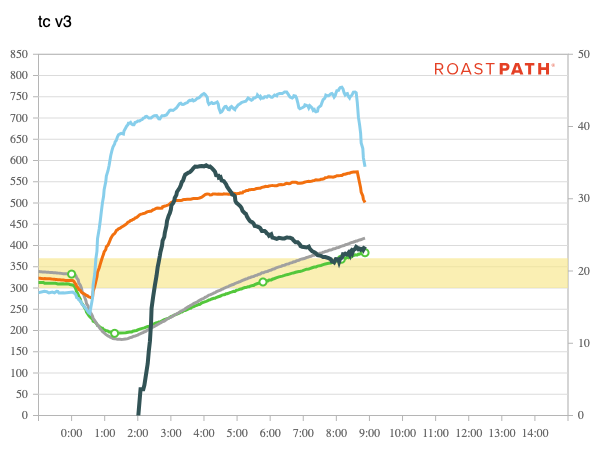
These beans are bigger than our Ethiopian selection and take on and release heat differently. We use a considerably higher amount of heat to have a similar roast profile and roast time as our other offerings.
We’re left with a larger bean that has absorbed heat evenly, ideally from the center rather than the outside, with a higher weight loss and slightly more roast development.
You can see an increasing ROR post first crack. This is to ensure heat is aggressively pushed into the beans and though the profile does not look perfect on paper - we’re not tasting looks! This roast is a wonderful tasting version of this coffee that we adore and enjoy drinking all the time on so many various machines and at multiple different coffee bars and cafes!
-
Alma is for people who love chocolate-forward coffees, traditional espresso, balanced drip coffee, light-medium roast flavor profiles, diner coffee nostalgia, or simply want a cup they can drink every morning without thinking too hard about it.
It is also where we would send someone who is curious about specialty coffee but does not necessarily want their first cup to taste like flowers or tropical candy.
The Classic is the bridge. You already know the destination. We are just showing you a much better road to get there (some bias involved!).
Cheers!
-
The sourcing team behind Alma has grown coffee in the highlands of Huehuetenango for three generations and has spent roughly two decades expanding relationships with producing families, cooperatives, and associations across Guatemala. Their philosophy is that coffees at different quality levels should all have an appropriate home rather than treating only competition-level coffees as valuable.
Simply pulling the best coffees out of a blend makes the majority of other coffees worse, which its flavor profile is less appreciated by consumers and sold for a cheaper price.
This is what has been happening as specialty coffee becomes more producer independant and sought after mainly by roasters looking for sellable trends. It makes good coffee harder to find and we have a lot of appreciation for people that choose to not take all the good stuff and keep it separated from the rest.
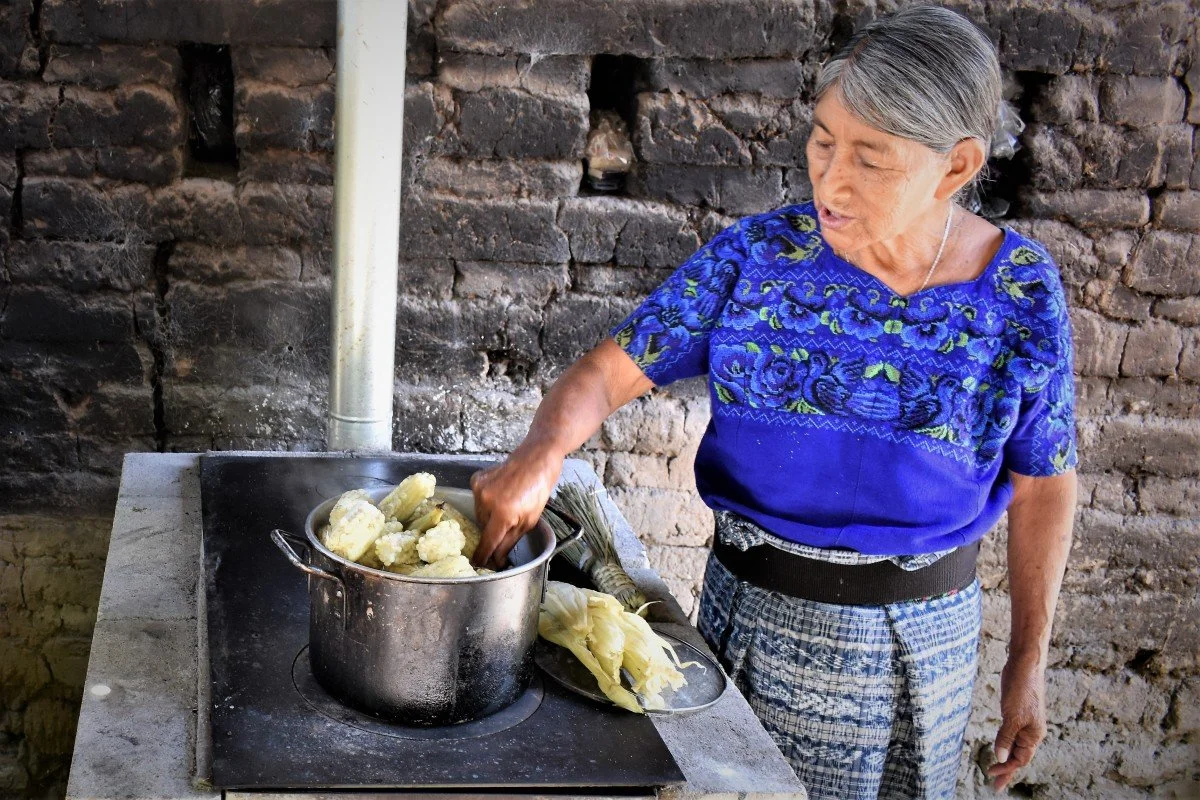
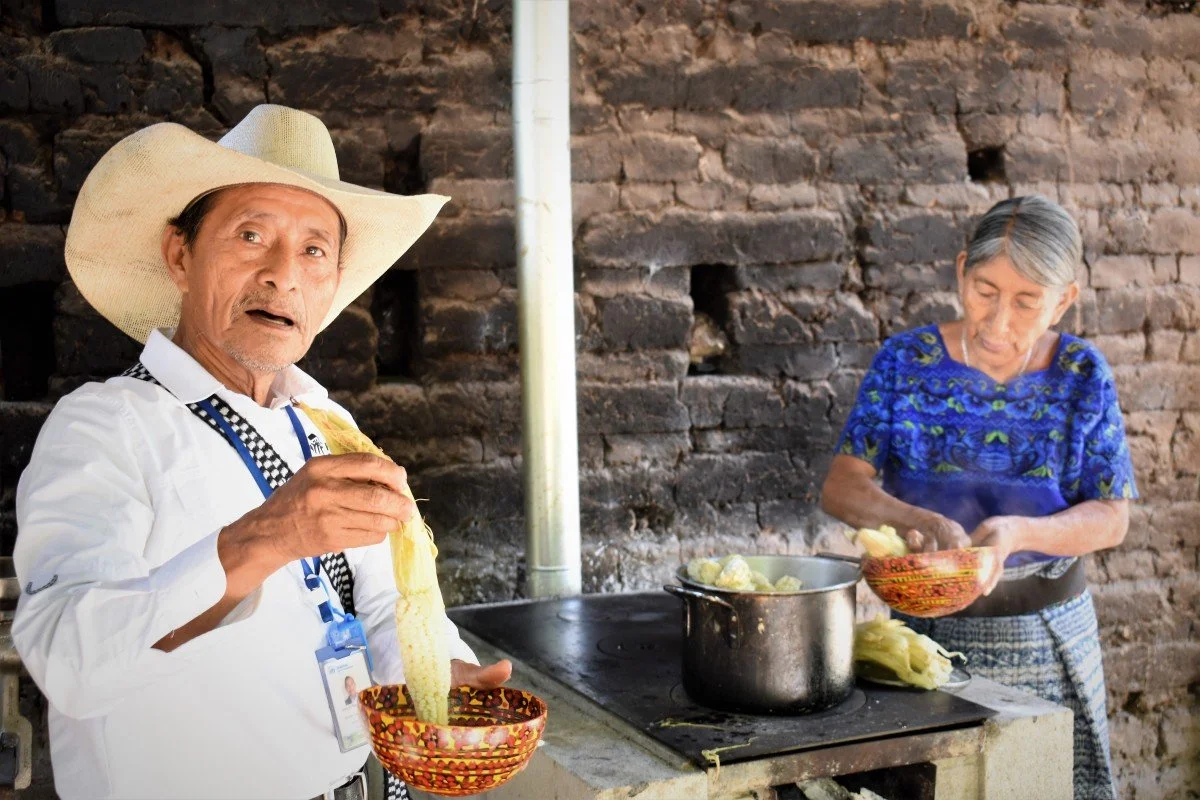
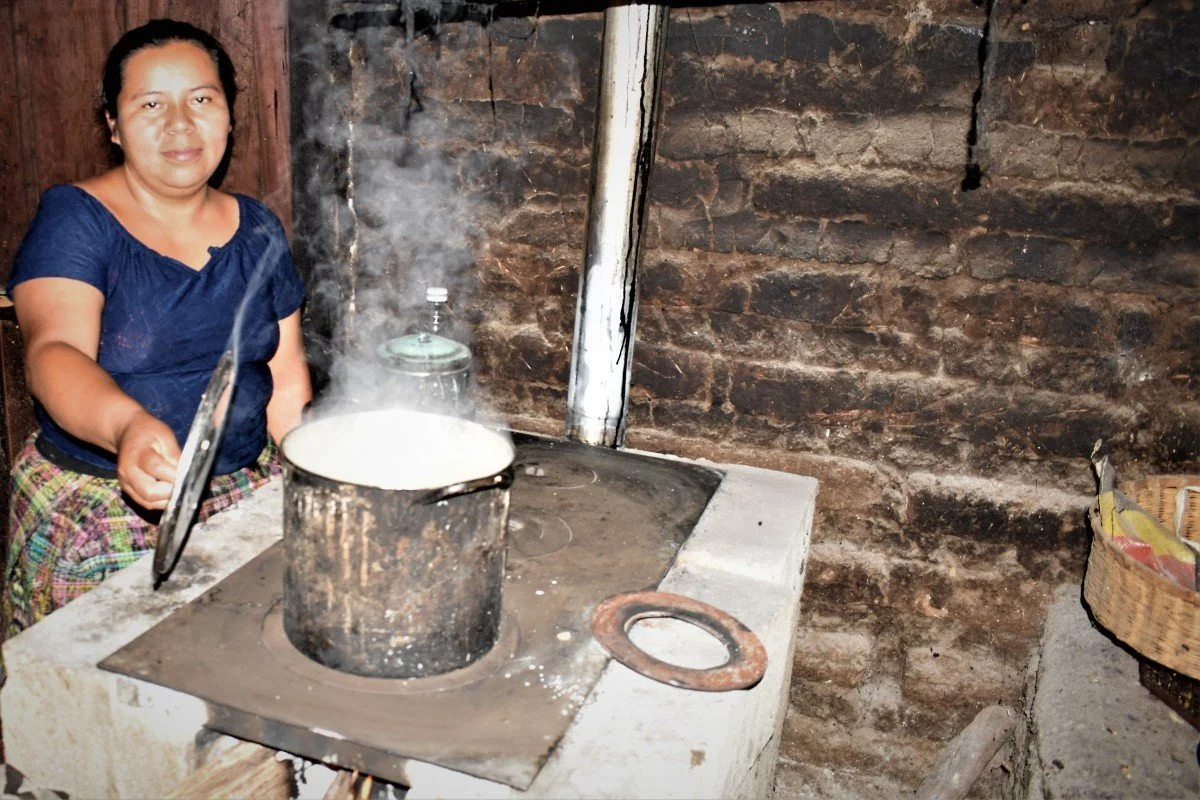
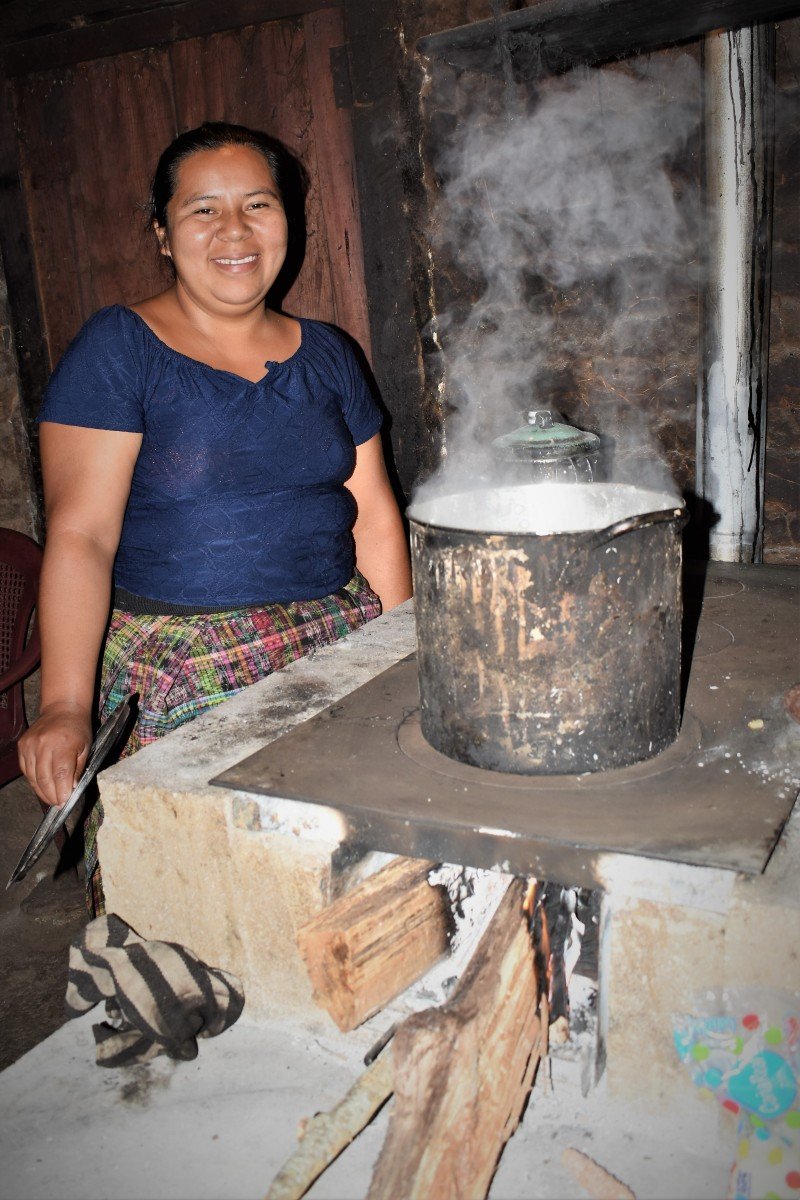
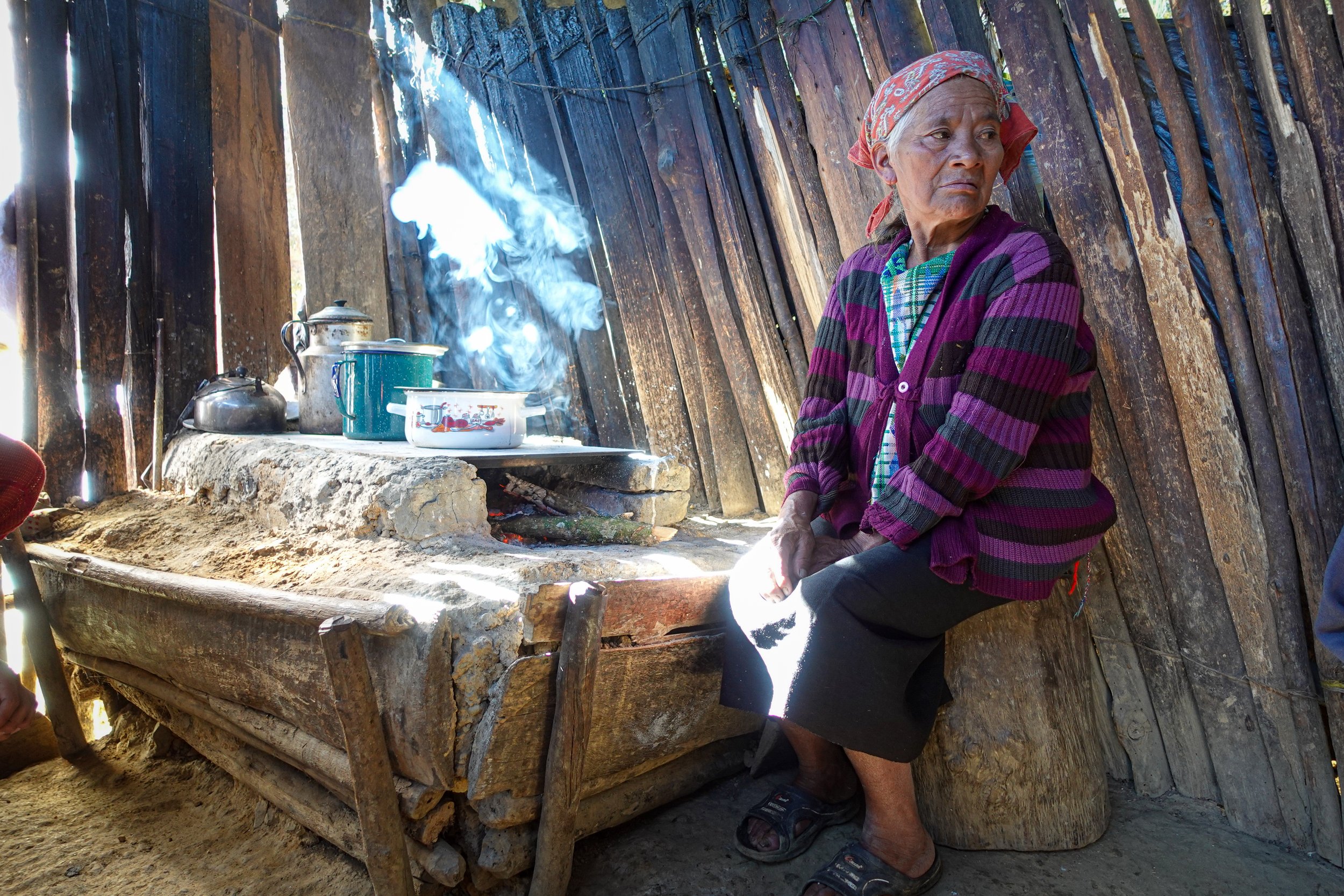
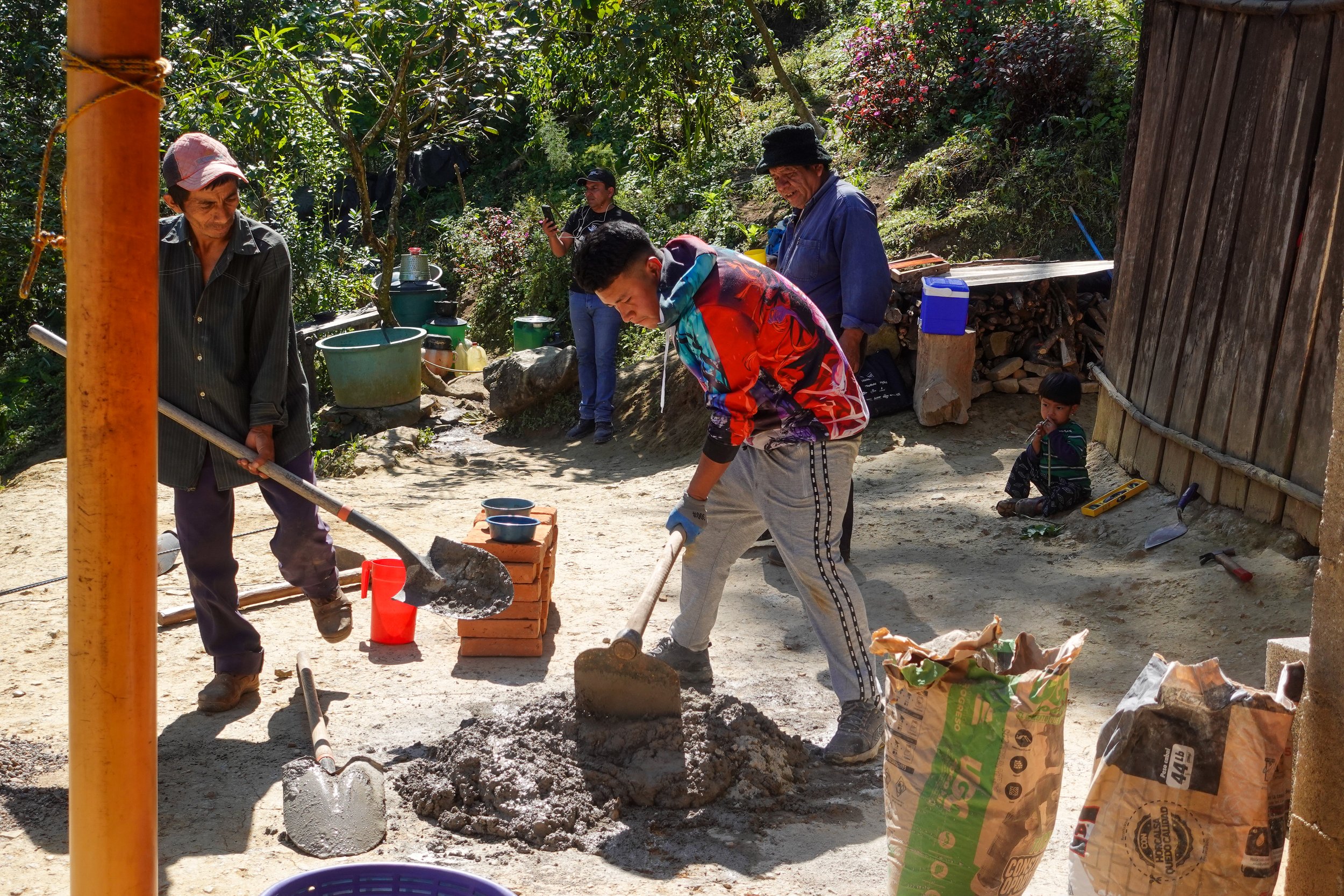
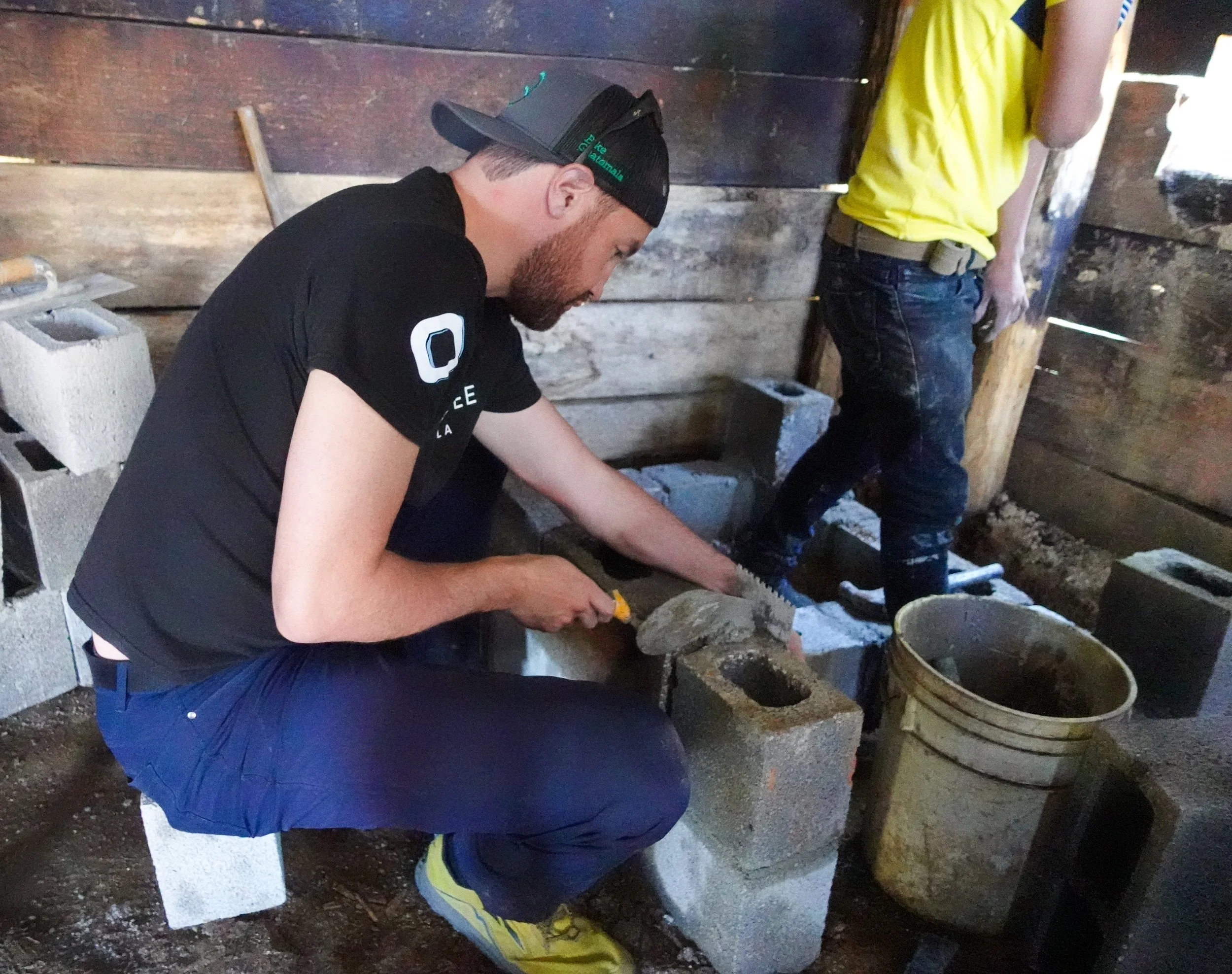
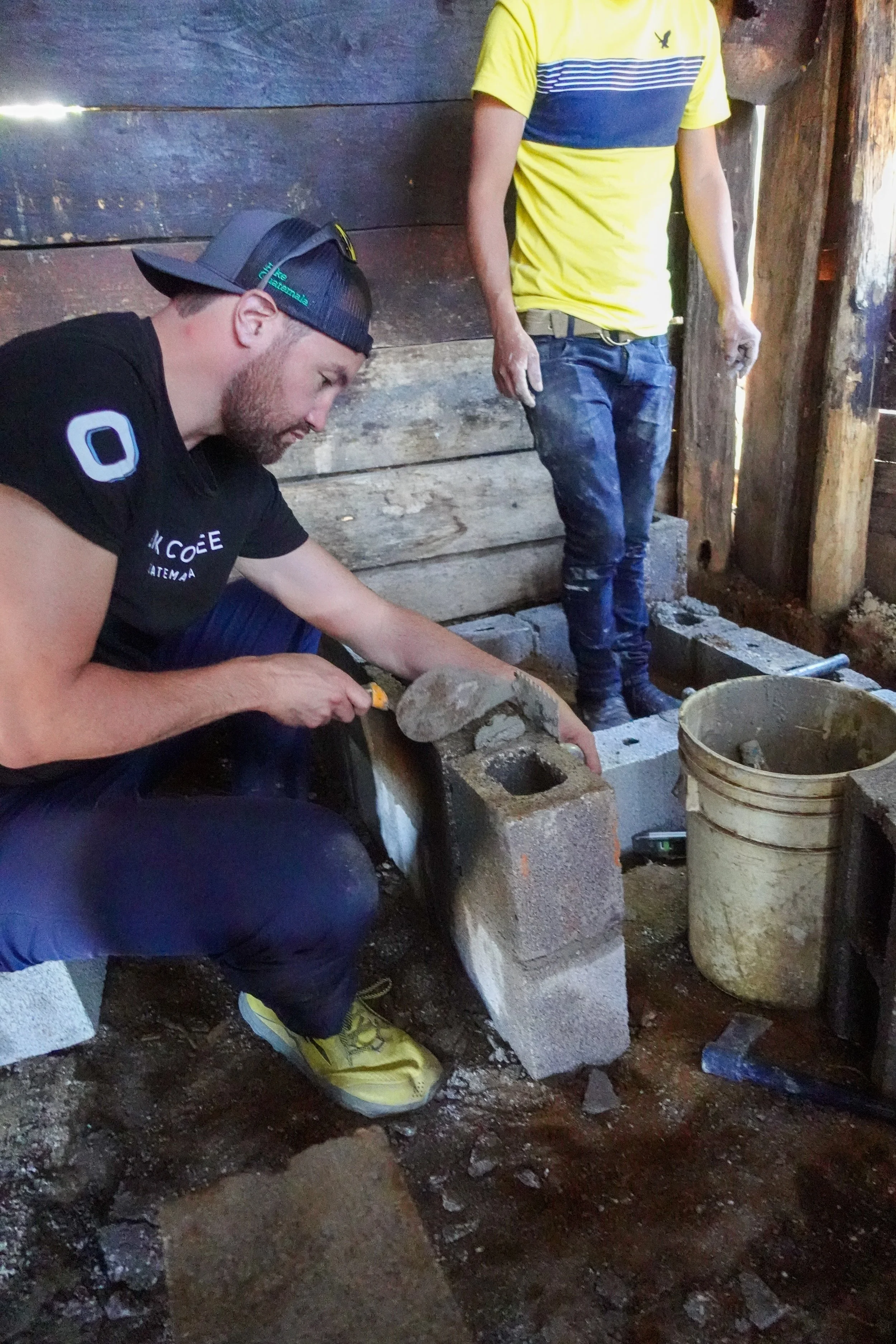
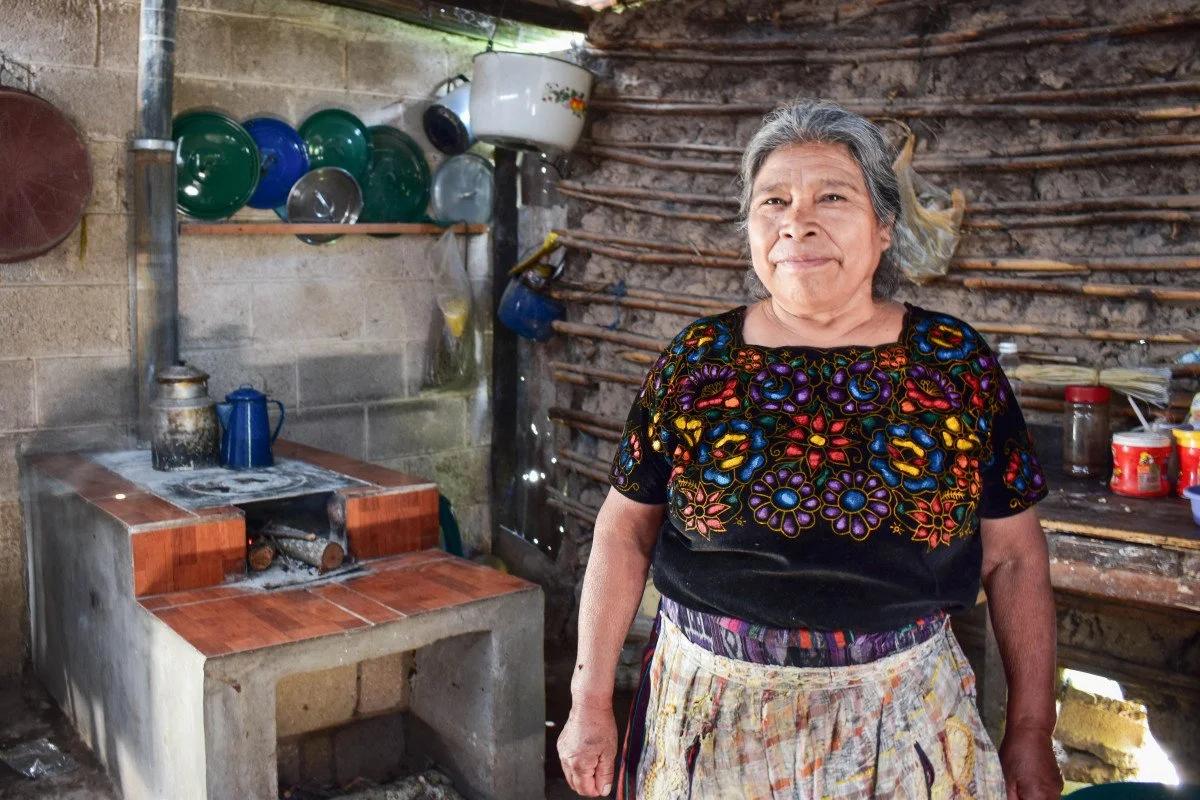
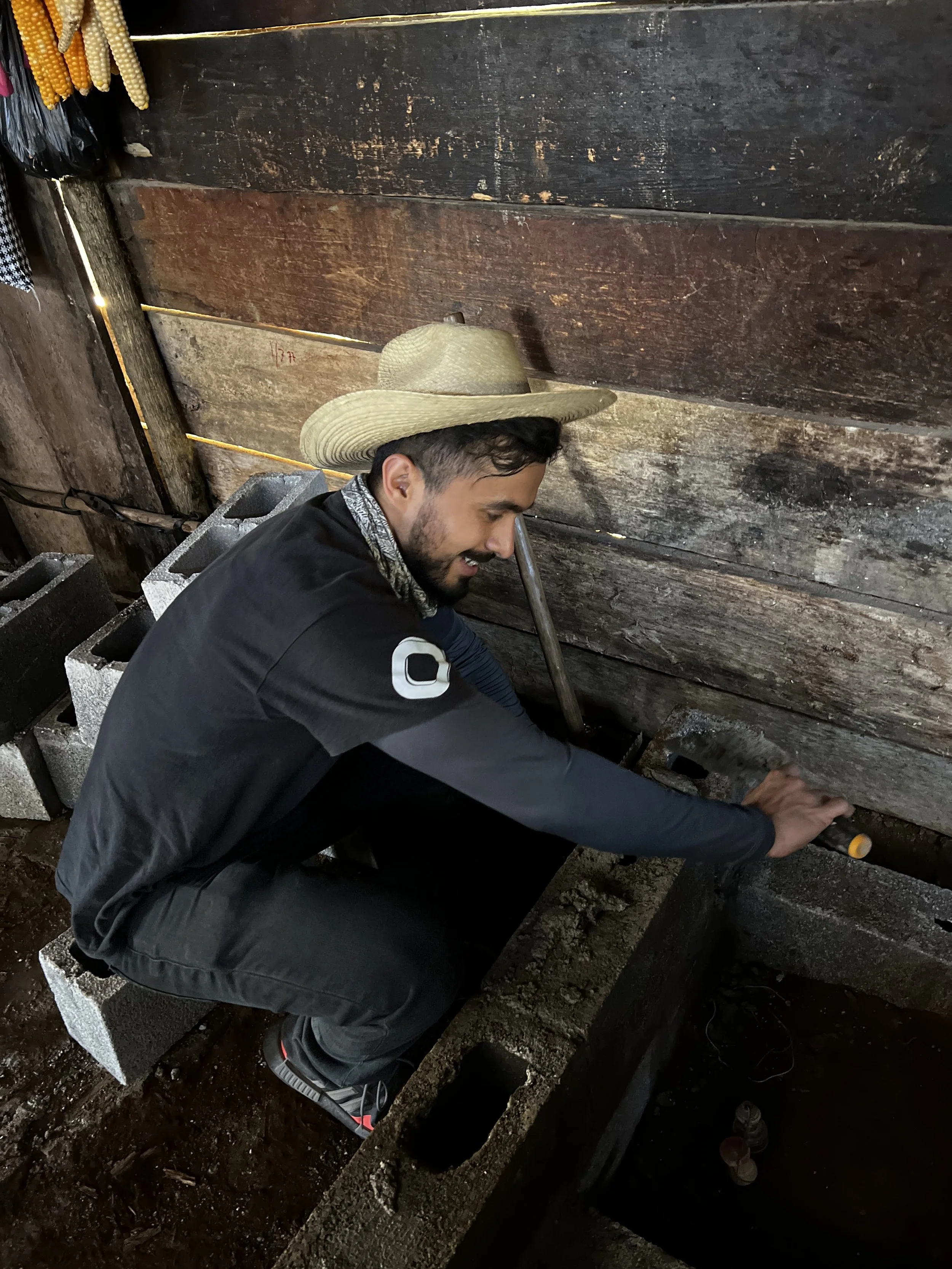
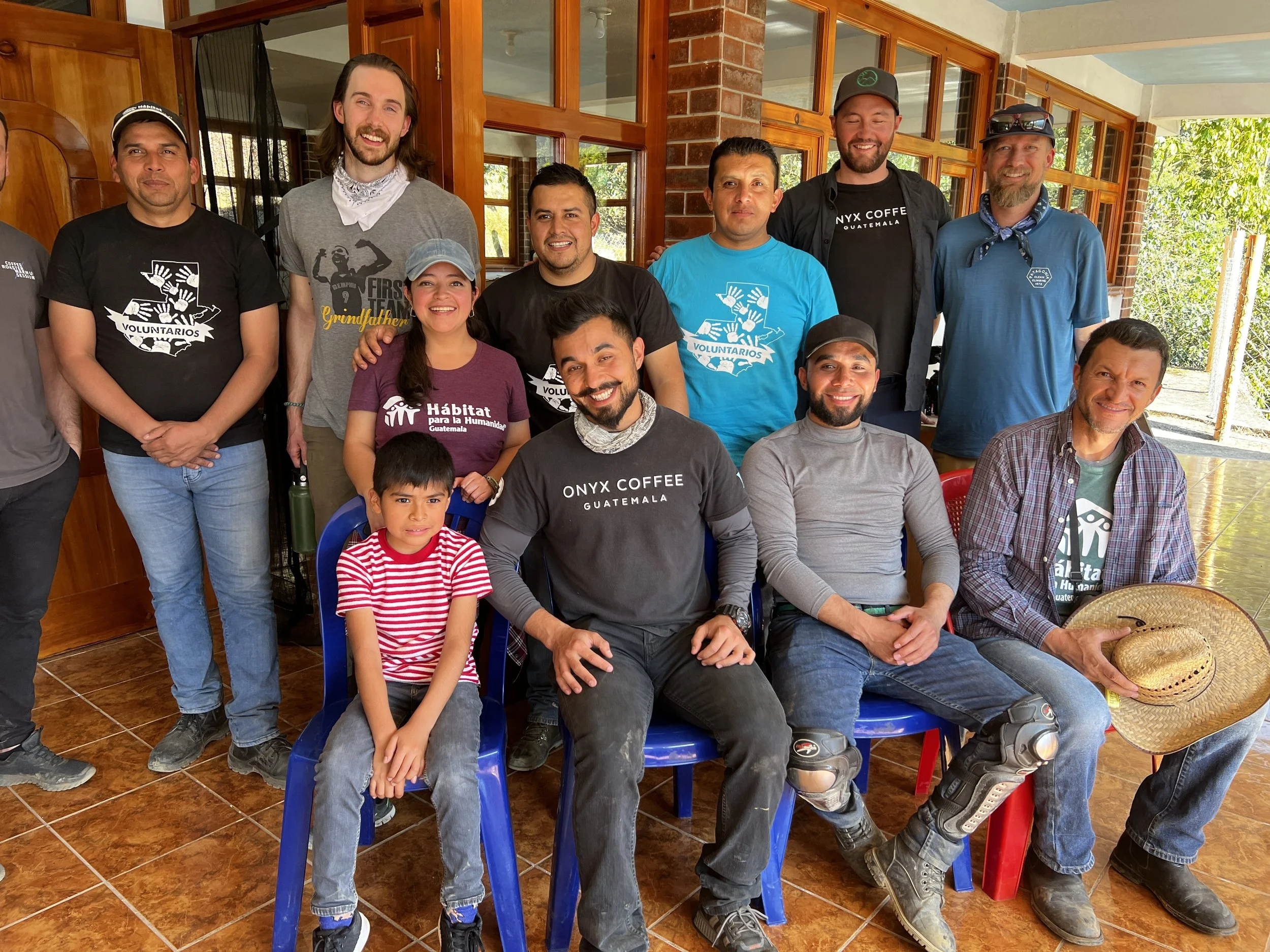
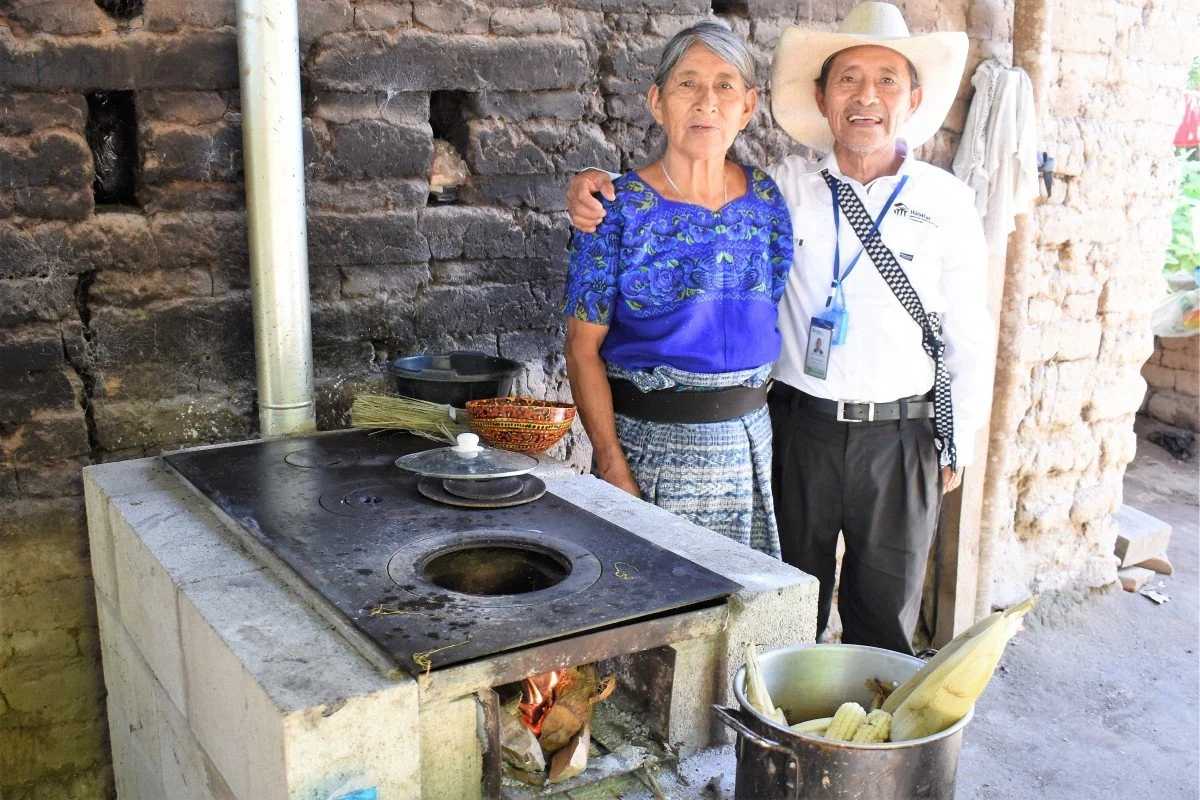
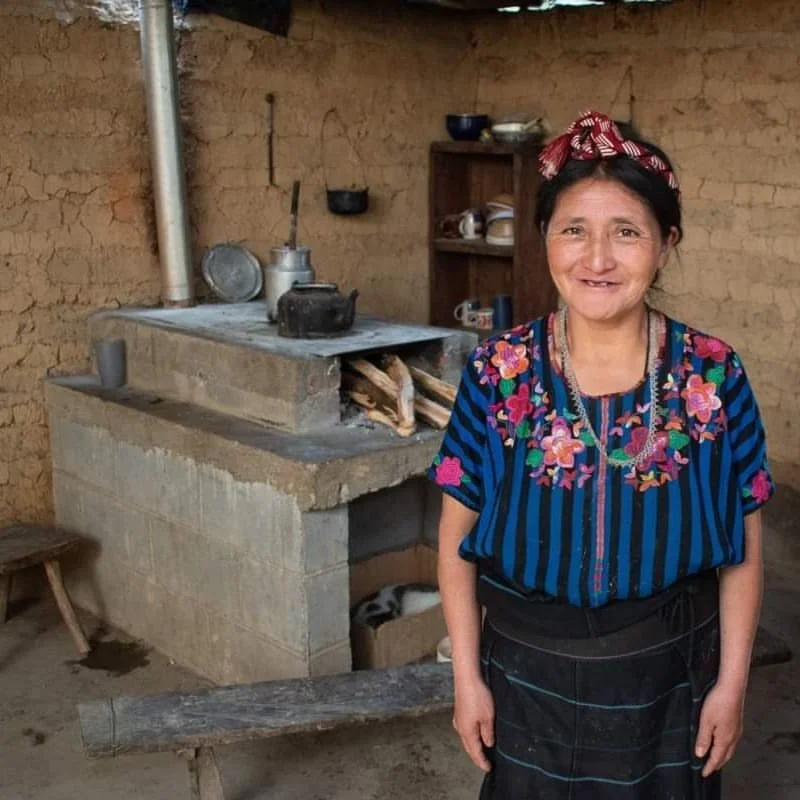
There is another part of Alma's story that we particularly appreciate. For every pound sold by the supplier, $0.05 goes to Habitat for Humanity Guatemala's Smokeless Stove Program. Those stoves are intended to improve indoor air quality, increase wood-fuel efficiency, and reduce cooking time for participating families.
We spend an unreasonable amount of time thinking about what happens inside a coffee roaster or espresso basket, but coffee's impact obviously extends much farther than that. Projects like this help in so many ways and also keep us grounded.
-
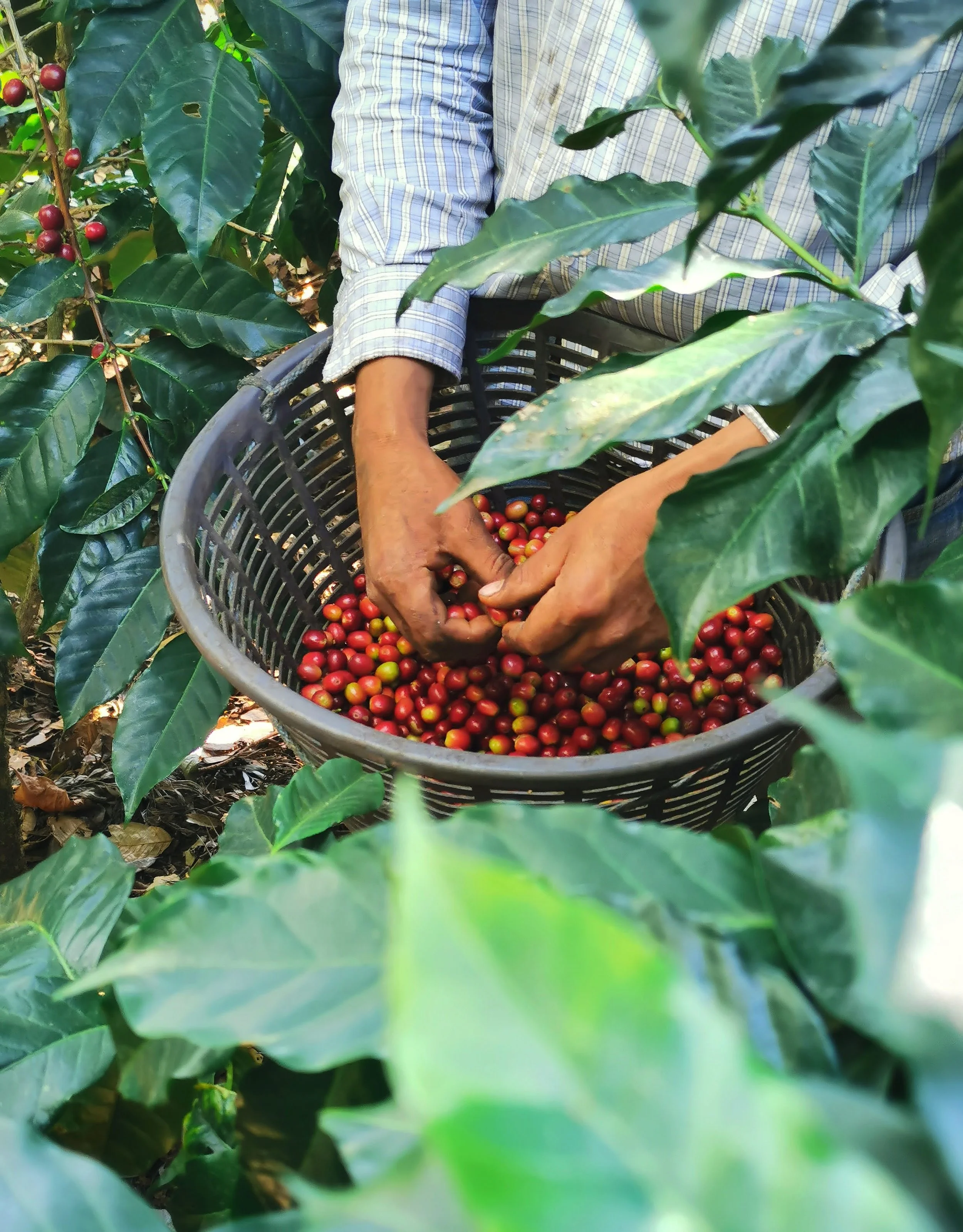
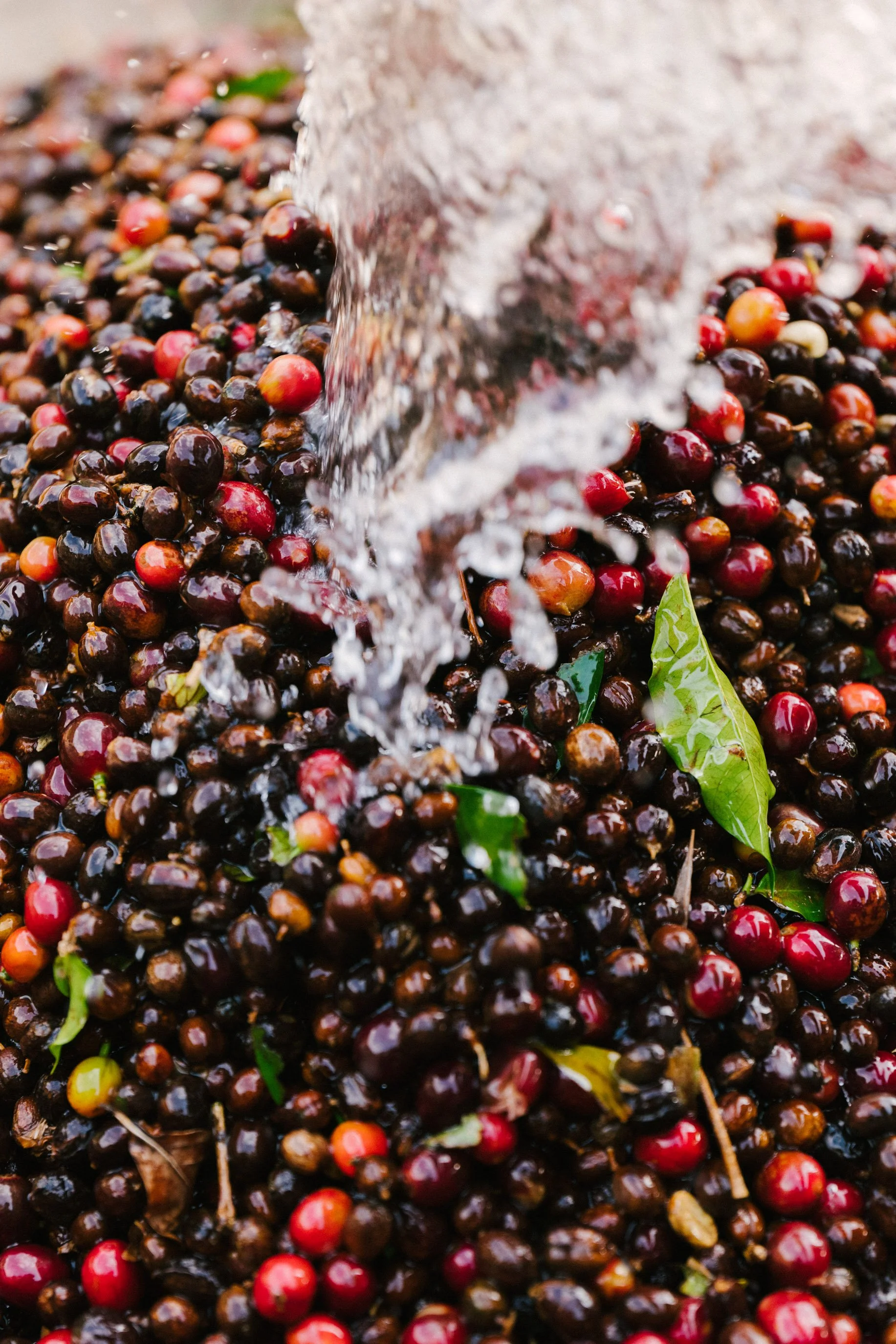
Alma is washed, which means the coffee cherry is depulped and the sticky fruit material surrounding the seed is removed before the coffee completes drying.
The supplied processing information describes approximately 24 hours of fermentation followed by nine days of drying on concrete patios.
Compared with heavily fermented naturals or honey coffees, washed processing often lets us taste the underlying coffee with less influence from prolonged contact with the fruit during drying. For The Classic, that makes a lot of sense.
We want sweetness. We want fruit. We want body. But above everything else, we want clarity of flavor in order to represent where this coffee came from.
-
The Classic is meant to inspire casual coffee drinkers looking for something they know they like and are somewhat used to tasting. It’s not supposed to be a boring chocolate profile with a developed roast - it’s supposed to be full of textures, complexity, and flavors that most people just haven’t been introduced to!
The Classic reminds us of drinking a whiskey and tasting corn and caramel and then being introduced to a world-renowned distillery with decades of experience creating their own yeasts and turning something basic into a whiskey full of flavors like vanilla cream, cinnamon bun, apple butter, etc. We aim for that level of quality and complexity.
Alma gives us chocolate without needing to roast the coffee heavily. It gives us sweetness and body while still leaving room for fruity flavors and complex nuttiness.
That makes it exactly the kind of coffee we want carrying The Classic name.
-
WHAT'S INSIDE A $16.50 BAG OF THE CLASSIC
We think it is pretty cool to know what actually goes into the price of a bag of coffee, because from the outside it can be easy to look at a $16.50 bag and wonder where that money goes. There is a surprisingly long chain between coffee being grown in Guatemala and a finished 225 g bag sitting on your counter, so we wanted to show you some of the real numbers behind this one.
For this release of The Classic, we purchased two 69 kg bags of Alma from Onyx Coffee for $1,554.64 total, which works out to about $5.11 per pound green. Together, those two sacks started with roughly 304.2 pounds of green coffee before roasting, freight, packaging, labor, or any of the other costs required to turn it into the finished coffee you are drinking.
Coffee does not weigh the same after we roast it. Alma loses about 13.5% of its weight during our roast, which takes those original 304.2 pounds down to roughly 263.2 pounds of roasted coffee. We also set aside small samples from most roast batches for quality control. Between roast weight loss and the coffee held back for QC, those two 69 kg sacks give us roughly 529 sellable 225 g bags, give or take a bag depending on how much we sample.
WHAT WE PAID, AND WHAT WE CAN'T SEE YET
Here is the honest limit of this teardown. We can tell you exactly what we paid for this coffee at the U.S. warehouse: about $5.11 per pound green before the additional freight and transportation costs required to get it to us.
What we cannot tell you from our invoice alone is exactly how that money was divided between producers, mills, exporters, importers, and everyone else involved before the coffee reached Onyx. We do not think it makes much sense to tell you what our paper band costs down to the penny and then pretend we have perfect visibility into one of the most important parts of the supply chain when we do not.
If we are able to get reliable farmgate, FOB, or producer-payment information for Alma, we would rather add the real numbers here later than make assumptions now. Every number below this line is something we can verify because we paid it ourselves.
WHAT DOES ONE BAG ACTUALLY COST US?
Once the 13.5% roast loss and our normal QC samples are taken into account, the green coffee itself works out to roughly $2.94 for every 225 g bag we sell. That is before it gets roasted, packaged, labeled, handed to somebody at the trailer, or shipped anywhere.
These Alma bags came in on the same consolidated freight movement as Flower Power, Tikis & Hot Rods, and our Todos Santos Limited Drop. Combining the coffees onto one pallet allowed us to spread freight across several releases instead of paying to move each coffee independently. Once Alma's share of the freight, local pickup labor, and fuel is spread across the finished coffee, transportation adds roughly another 30 cents per retail bag.
The physical packaging costs more than it probably looks like. We buy our retail coffee bags 500 at a time for $190, plus $24.48 to ship them to us, which puts the bag itself at roughly 43 cents each. We print The Classic band and coffee tag ourselves on legal-size paper. One band sheet makes three bands and one tag sheet makes nine tags, so paper and known ink costs work out to roughly another 6 cents per bag, plus a very small amount of additional ink used directly on the bags and bands.
The materials are actually the cheap part. Chloe and I package the coffee ourselves, and it takes the two of us around two minutes to finish each bag. At our target labor rate of $25 per hour, that represents roughly $1.67 of labor in every bag just to weigh, fill, finish, band, tag, and prepare it for sale.
ROASTING IS MOSTLY A LABOR COST
One person can roast roughly 61 pounds of green coffee per hour on our production roaster before accounting for weight loss. That puts the active roasting labor for a 225 g bag at roughly 24 cents, but measuring only the minutes that coffee is physically inside the roaster does not tell the whole story.
The roaster needs around 50 minutes to properly warm up before production, and we allow roughly two hours for the machine and system to cool down afterward. At $25 per hour, that time matters. We normally run somewhere between four and eight batches during a production day, so the more coffee we roast in one session, the more efficiently that warmup and cooldown labor gets spread across each bag.
Every roast also has our between-batch protocol, which costs around 26 cents per batch, plus a very small amount of gas and electricity. Funny enough, the actual energy required to roast one retail bag is only a few cents. The human time around the machine costs significantly more than the energy going into it.
Depending on how many batches we run, warmup and cooldown labor adds roughly another 34 to 68 cents per bag. Once active roasting, the between-batch protocol, energy, and normal QC time are added, the total roasting side generally lands around well under a dollar to a little over a dollar per bag, depending on the production day.
WE STILL HAVE TO TASTE THE THING
We reserve 13 to 26 grams from most roast batches so we have samples available for QC. Rather than cupping every roast the moment it comes off the machine, we collect samples through production and normally sit down about once a week to taste through what we have been roasting.
The Classic is especially important for us to keep checking because it is supposed to be our most approachable and dependable coffee. We still want sweetness, clarity, and plenty of interesting flavor, but the whole point is that it should live in a more familiar lane than something like Flower Power or Tikis & Hot Rods. If we make a change at the roaster, we want to actually taste whether we moved the coffee in the direction we intended.
A cupping session runs about an hour. We use distilled water remineralized with Third Wave Water and brew roughly 200 ml for each 13 gram sample because, if we are trying to identify relatively small differences between batches, the water needs to stay consistent too.
That feedback loop is a huge part of getting better at roasting, and it is another small cost built into the coffee that you would never know existed by looking at the finished bag.
WHY WE PICK UP OUR OWN GREEN COFFEE
We could have the freight company deliver the pallet directly to the roastery, but doing that would cost roughly another $100 for liftgate service plus around $60 because of our delivery location.
The freight terminal is only 5.9 miles from us, so Chloe and I drive over and pick it up ourselves. The drive takes roughly 17 minutes each way, and between loading and unloading we spend around another 10 minutes handling the coffee. At $25 per hour for both of us, plus fuel for a vehicle that gets around 15 MPG, a normal pickup costs us roughly $39 in labor and gas.
Doing those last few miles ourselves saves roughly $120 compared with paying the additional delivery charges. This particular shipment was unusual because one of the Swift bags was accidentally left off the original pallet and arrived around two weeks later, so we actually had to make the trip twice. Even with that second trip, picking the coffee up ourselves still cost less than paying to have the pallet brought directly to our door.
Nobody gets into coffee roasting because they dream about driving to a freight terminal and wrestling giant sacks of green coffee into a vehicle. But this is what running a small company actually looks like, and if we can spend less doing something ourselves without compromising the coffee, that is money we do not have to immediately build into the retail price.
BEFORE WE EVER ROASTED IT
There is also a stack of work that happens before a production roast ever starts. This shipment brought in four different coffees for us: The Classic, Flower Power, Tikis & Hot Rods, and a Todos Santos Limited Drop. Between coordinating the shipment, tasting samples and comparable coffees, working through sourcing information, designing packaging, and building out the information for each release, I spent roughly eight hours getting those four coffees ready to launch.
At our target labor rate of $25 per hour, that represents about $200 of work shared across all four releases. We did not track every minute closely enough to pretend we know exactly how much of that time belonged to one coffee versus another, so the cleanest way for us to account for it is to divide the work evenly between the four releases.
That puts roughly $50 of release-development labor into The Classic. Because we purchased two full 69 kg sacks of Alma, that cost gets spread across a lot more finished coffee than our single-sack releases. Across roughly 529 sellable bags, it works out to only about 9 cents per bag.
Some of that is one-time work. Once the sourcing research, packaging, product information, and release setup are finished, we do not spend those same hours recreating everything every time we roast another batch. But the work still had to happen somewhere.
This is one of the least visible parts of coffee pricing. Somebody has to taste through options, decide which coffee belongs in which series, coordinate getting it here, understand where it came from, design the package, turn all of that information into something useful, and actually launch the thing. For a company our size, that somebody is usually us.
WHERE DOES THAT LEAVE THE $16.50?
Add up the green coffee, roast weight loss, freight and local pickup, packaging materials, roasting, normal QC, energy, packaging labor, and The Classic's share of the release-development work, and we can identify roughly $6.20 to $6.70 of direct and release-specific cost in each $16.50 bag before general business overhead enters the picture.
The exact number moves a little depending on how efficiently we run a roasting day and how much coffee goes through a particular QC session, which is why we would rather show a range than pretend every single bag costs exactly the same amount to produce.
Overhead is the part nobody photographs: the building and its utilities, insurance, roaster and equipment maintenance, grinders, water filtration and QC equipment, website and software, credit-card processing, shipping supplies, taxes, and normal waste. The retail bag is not carrying all of that by itself. Our trailer, wholesale accounts, events, online sales, and retail coffee all support the same operation, which is exactly why a two-person company ends up running several interconnected parts of the business at once.
AND IF WE SHIP IT TO YOU
Online orders add another layer separate from producing the coffee itself. Our shipping mailers cost about 40 cents each before postage, labels, tape, and the labor required to pack the order.
The closest USPS location is about 1.9 miles from the roastery, so somebody physically takes those orders there. The cost per package changes dramatically depending on whether we are dropping off two orders or twenty at once, which is why we do not pretend every online order costs exactly the same amount to fulfill.
WHY WE ARE TELLING YOU ALL OF THIS
We are not sharing these numbers because we want anyone to feel bad for buying coffee, and we are not pretending we are the only company putting work into what we make. We just think coffee gets a lot more interesting when you can actually see what you are paying for.
Alma started as coffee grown in Guatemala. It was picked, processed, dried, sorted, exported, warehoused, consolidated with several other coffees, freighted across the country, picked up by the two of us, roasted in Cookeville, sampled and tasted as part of our QC, packaged by hand, labeled, checked, and eventually handed or shipped to you.
The Classic is intentionally our most affordable year-round coffee, but affordable does not mean we want to strip all of this work out of it. The challenge for us is almost the opposite: how do we put everything we care about into a coffee and still keep the finished 225 g bag at $16.50?
There is a lot hiding inside one little bag of coffee. Knowing all of the effort and hard work that goes into simply bringing it to us before it goes to you makes drinking it even cooler.