LIMITED DROP: ELLA TODOS SANTOS, GUATEMALA
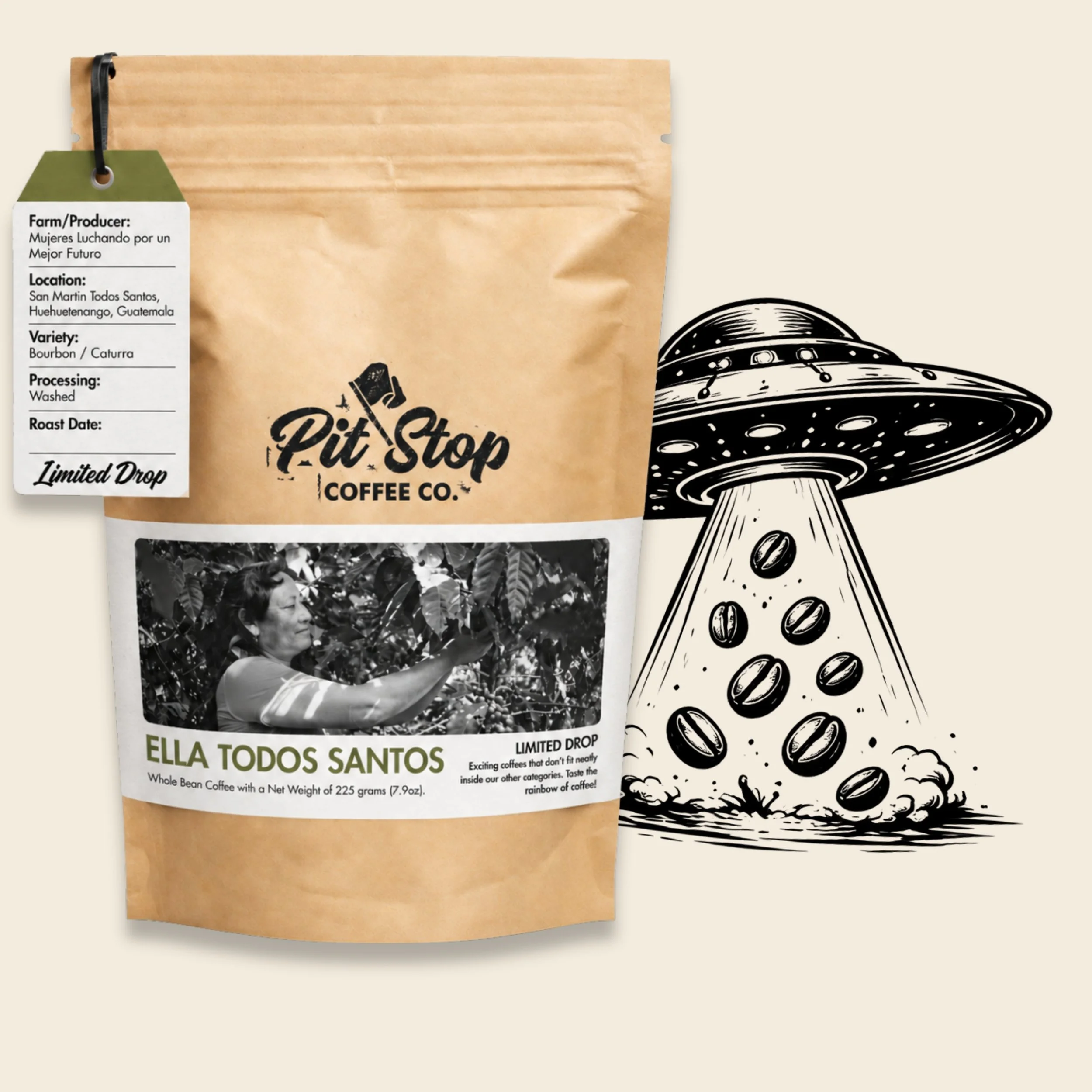
LIMITED DROP: ELLA TODOS SANTOS, GUATEMALA
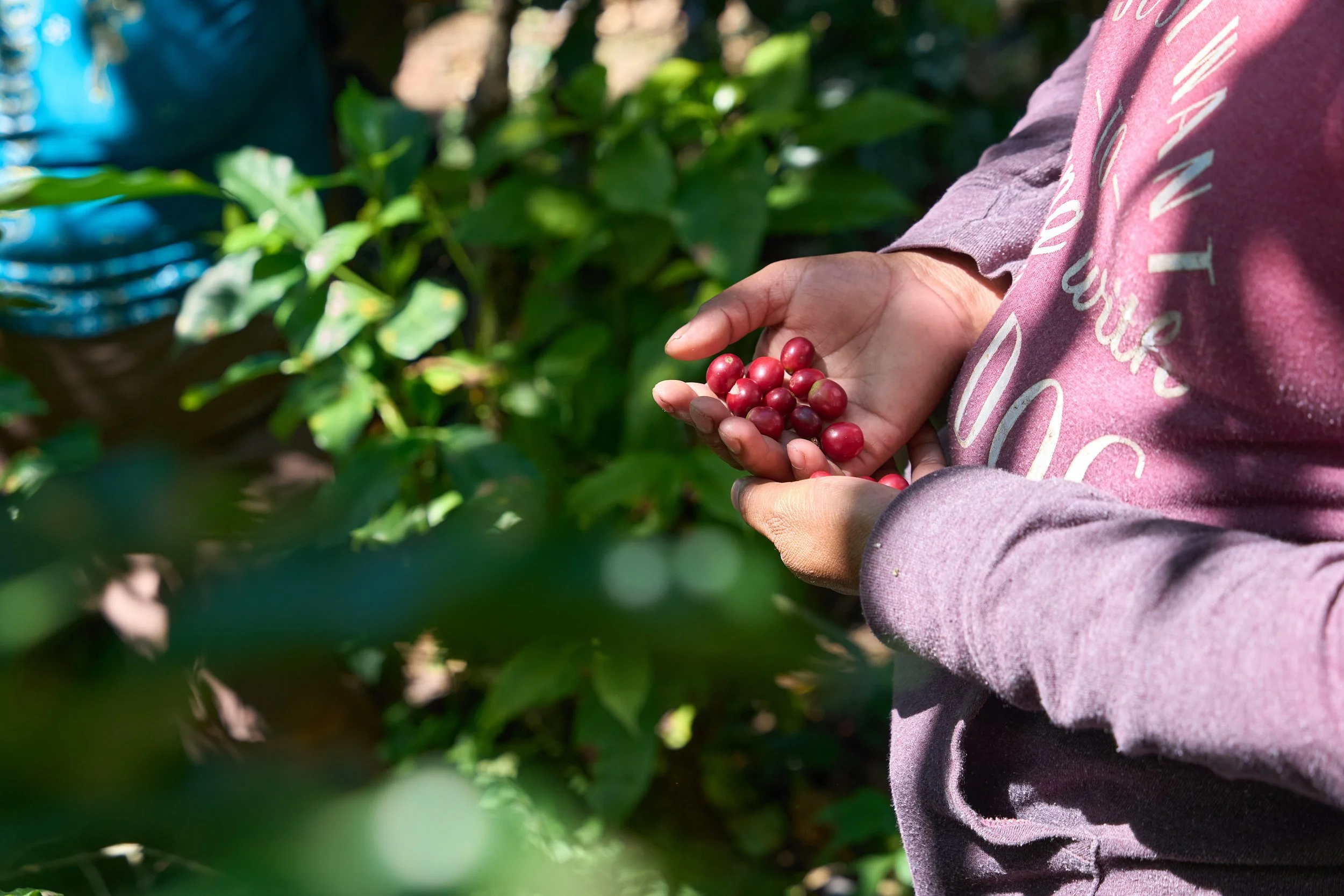
Our Limited Drops give us room to explore coffees that deserve their own place in the lineup. Ella brings us to the highlands of Huehuetenango, Guatemala, with a washed coffee from women-owned farms.
The profile is sweet, creamy, chocolatey, and berry-driven. There is something especially satisfying about a coffee with familiar flavors that still gives you plenty to pay attention to. Texture matters. How the sweetness carries through the cup matters. What happens when the coffee cools matters. Ella brings all of those things together, along with a producer story worth spending some time with.
WHERE THIS COFFEE IS FROM
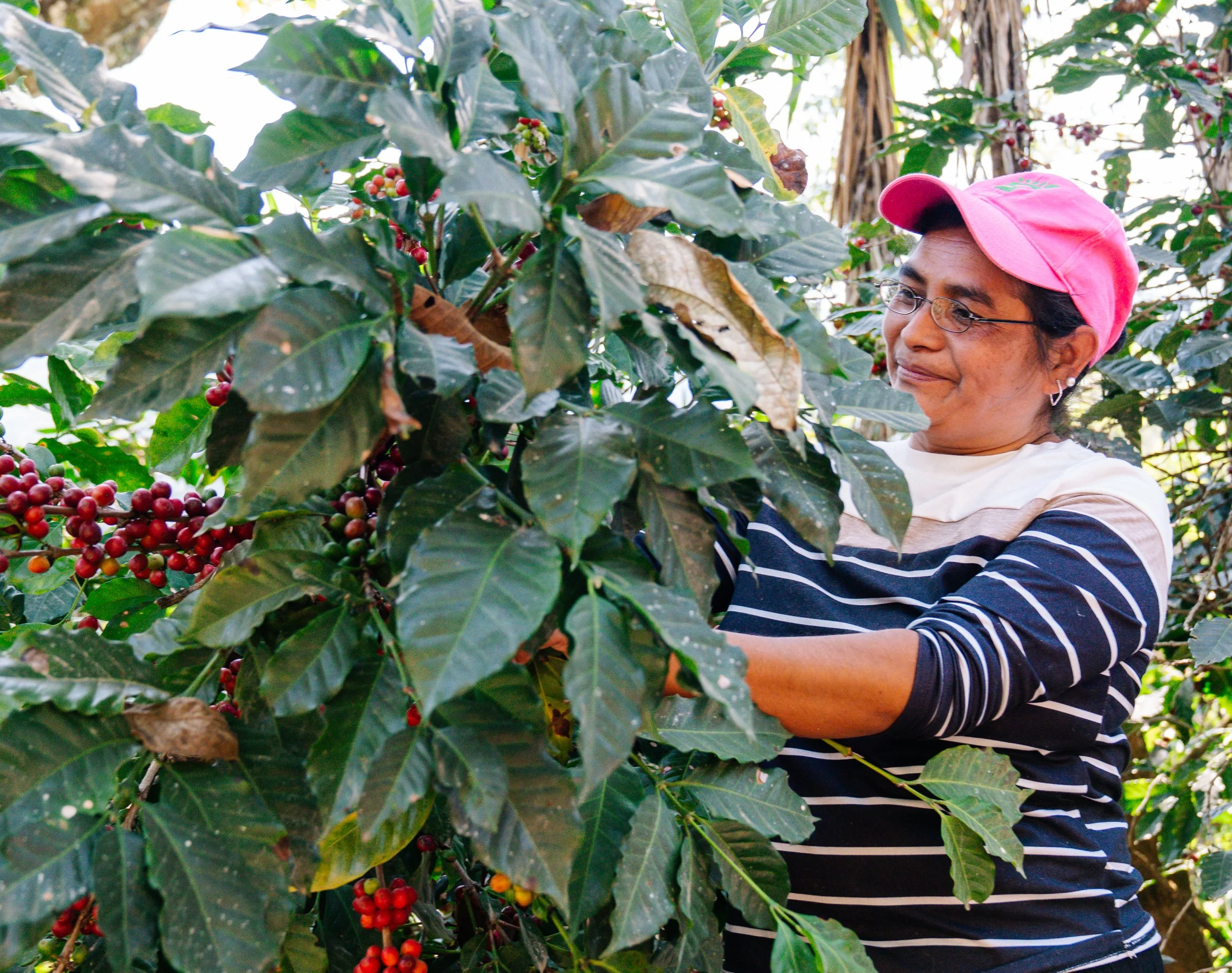
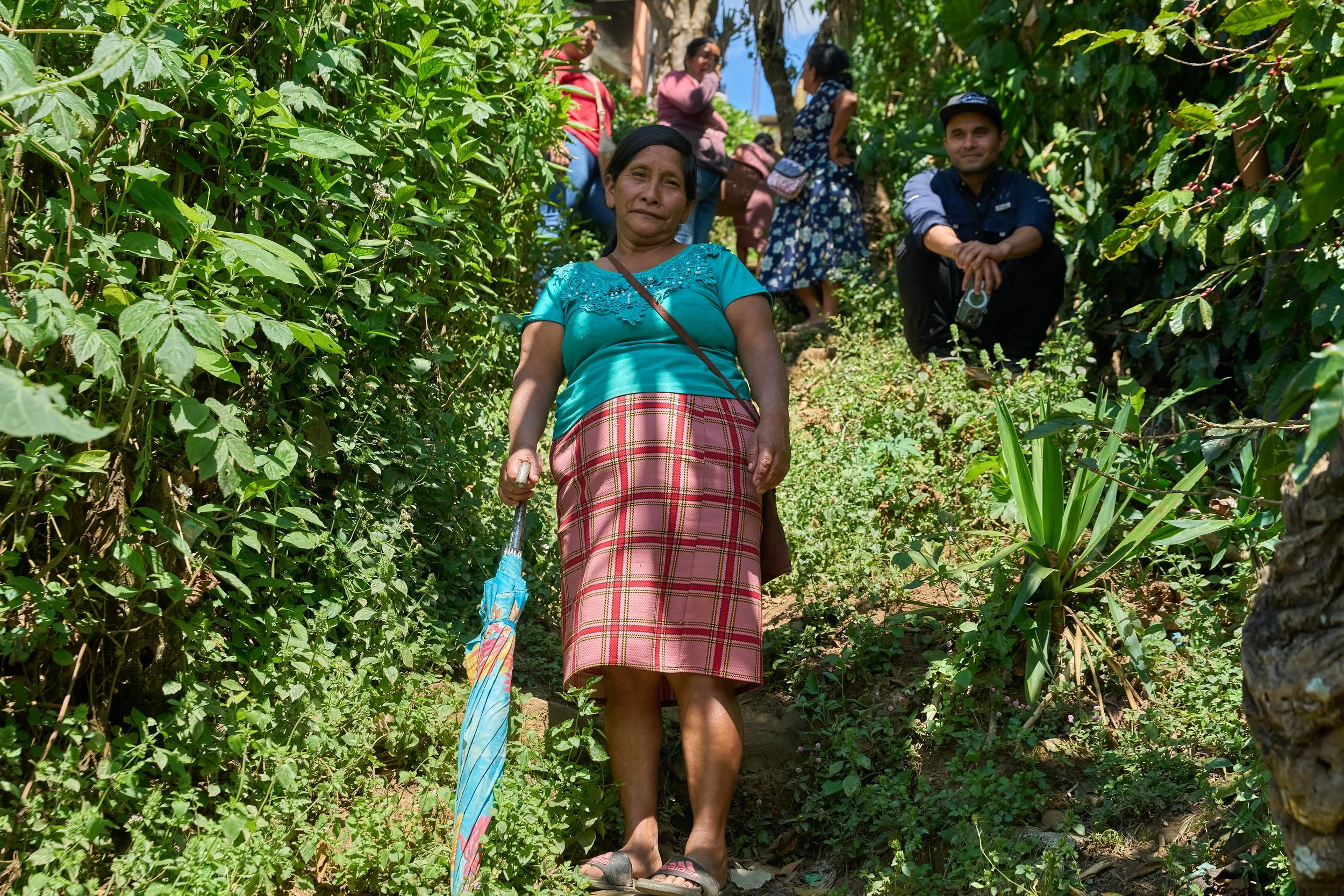
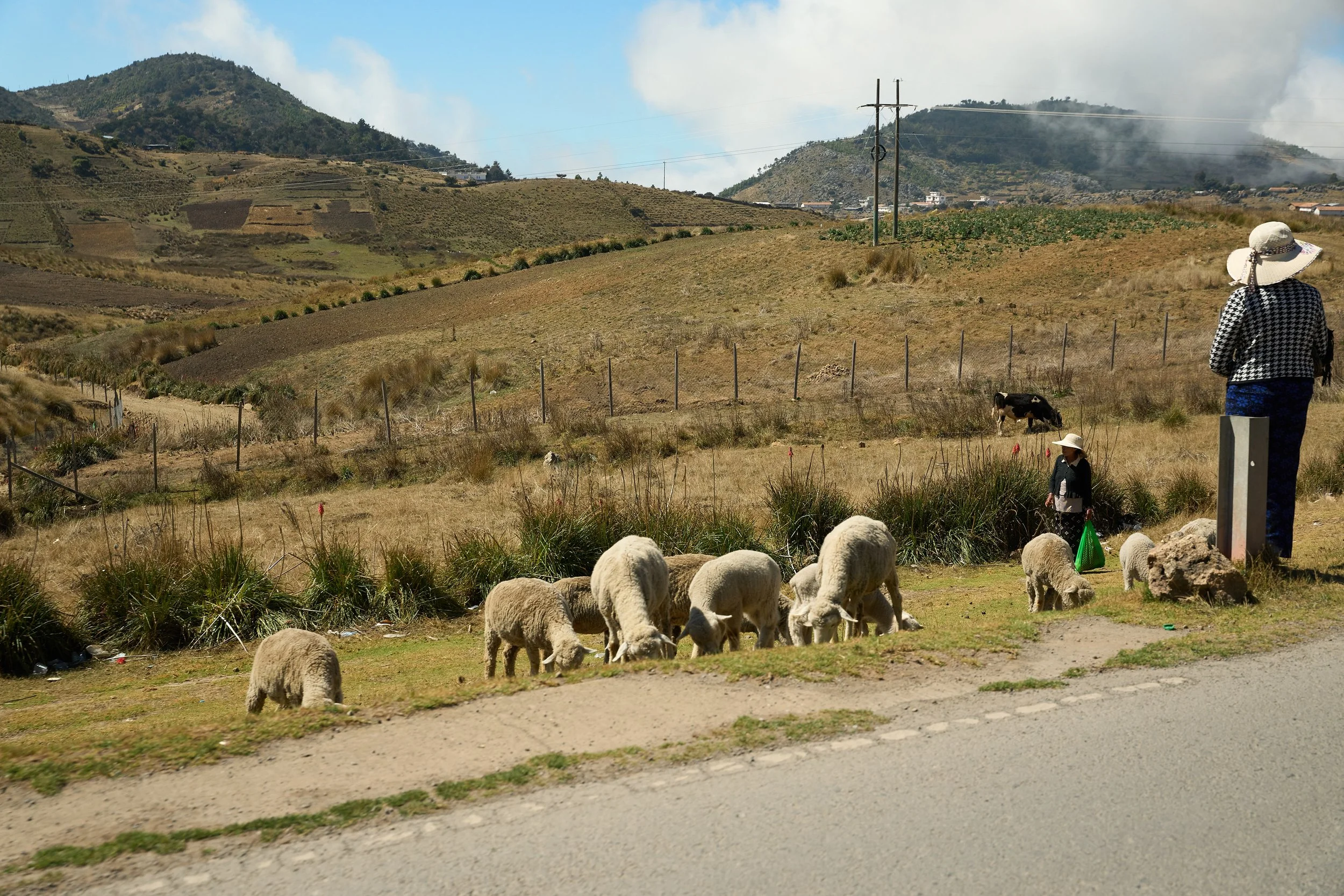
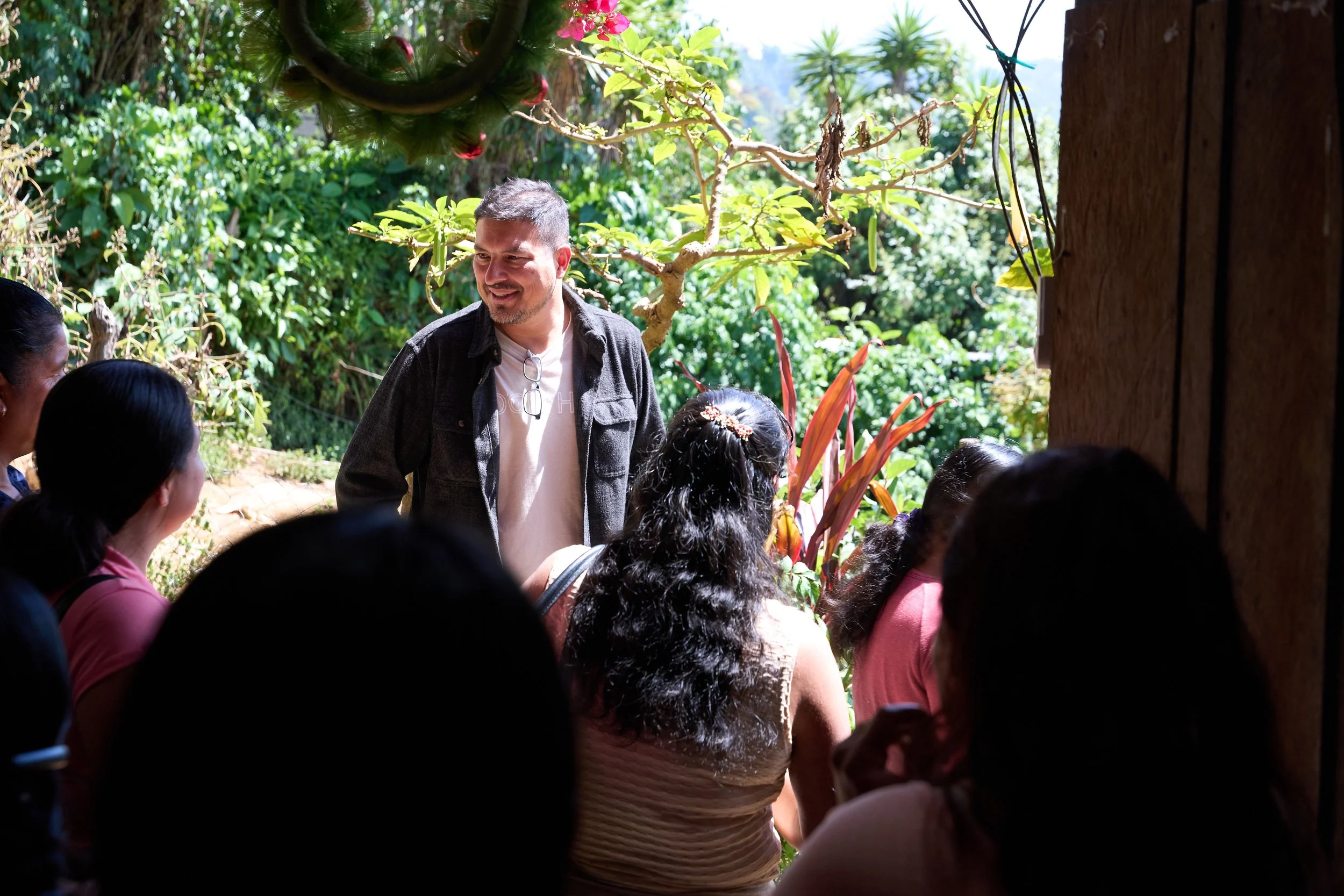
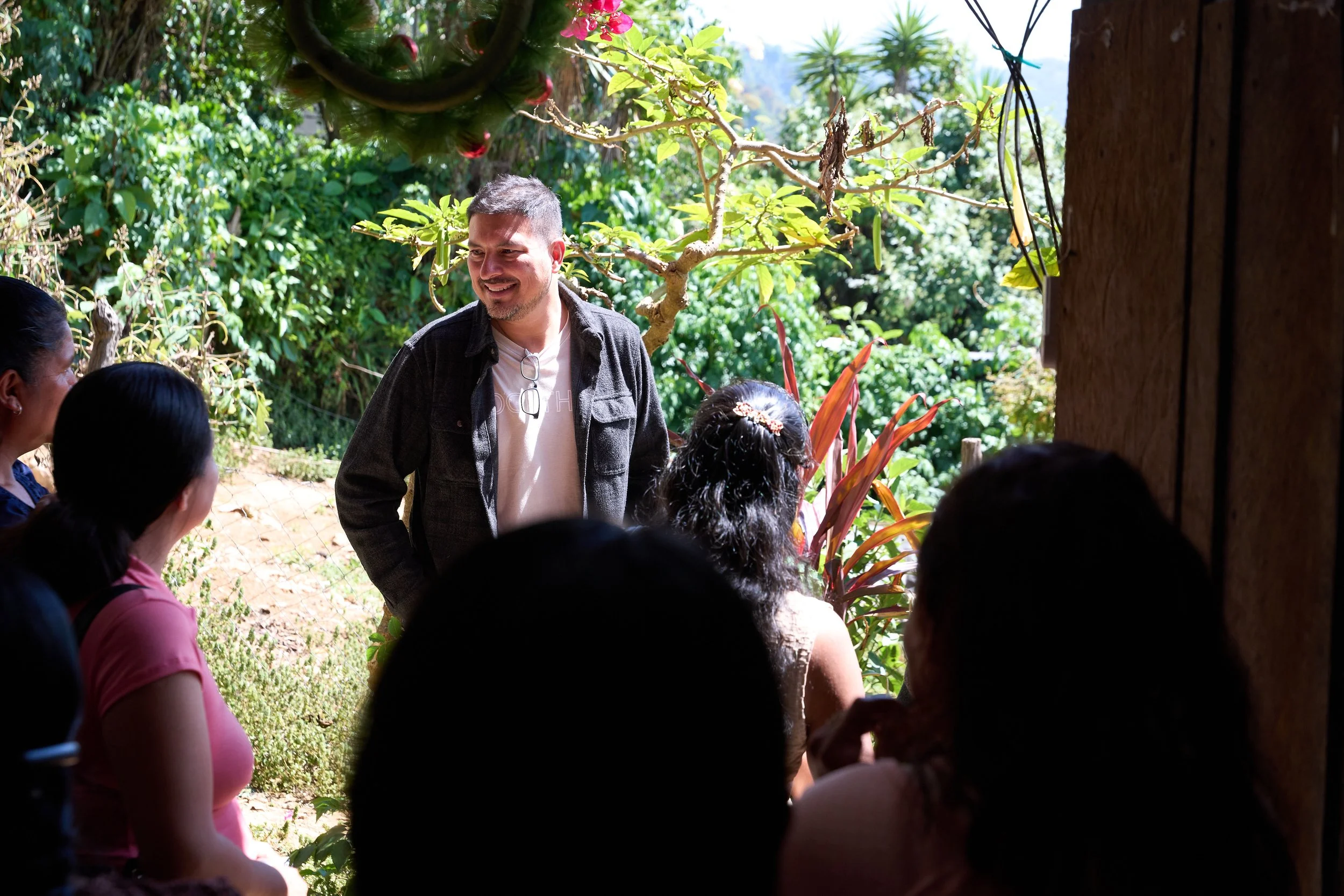
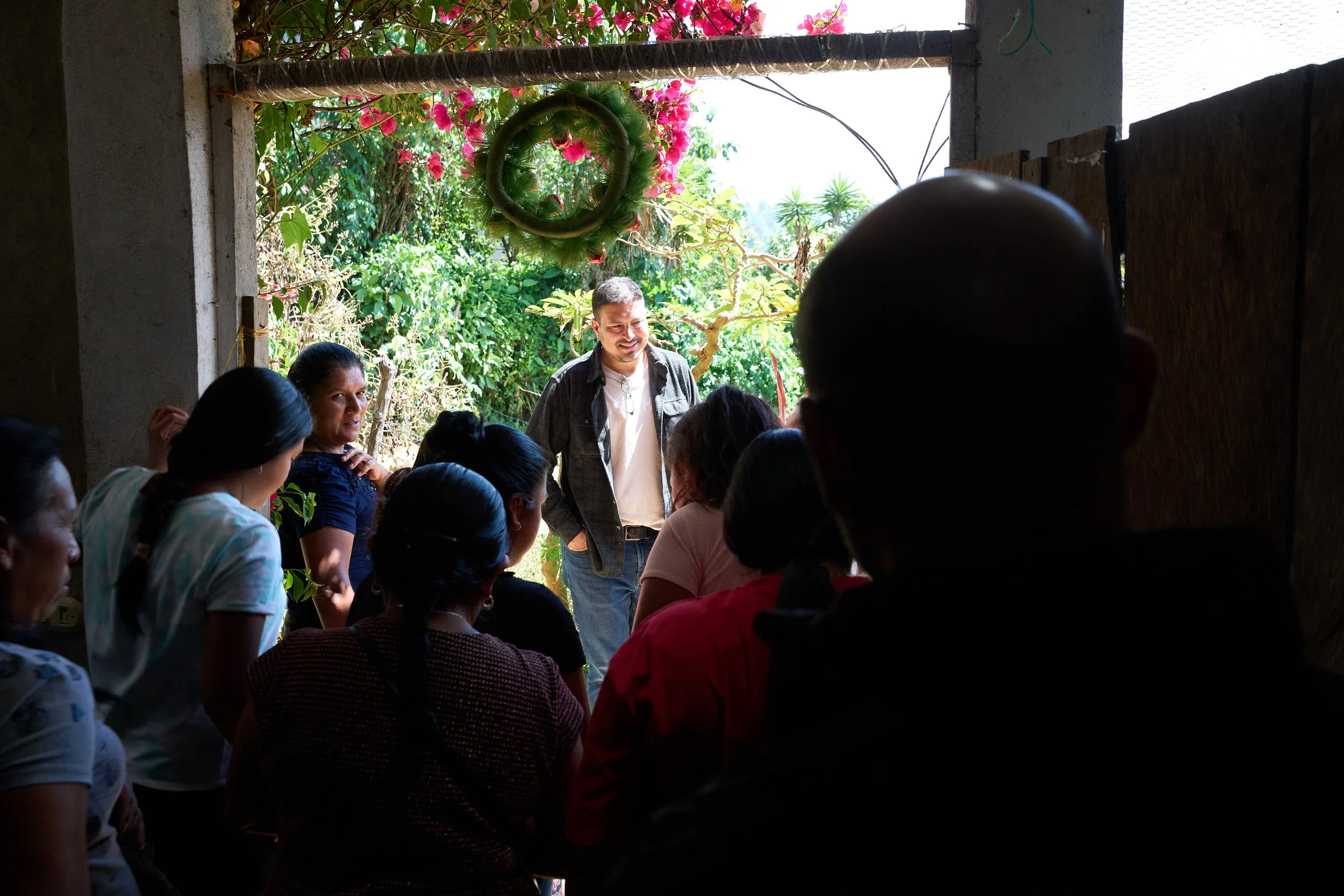
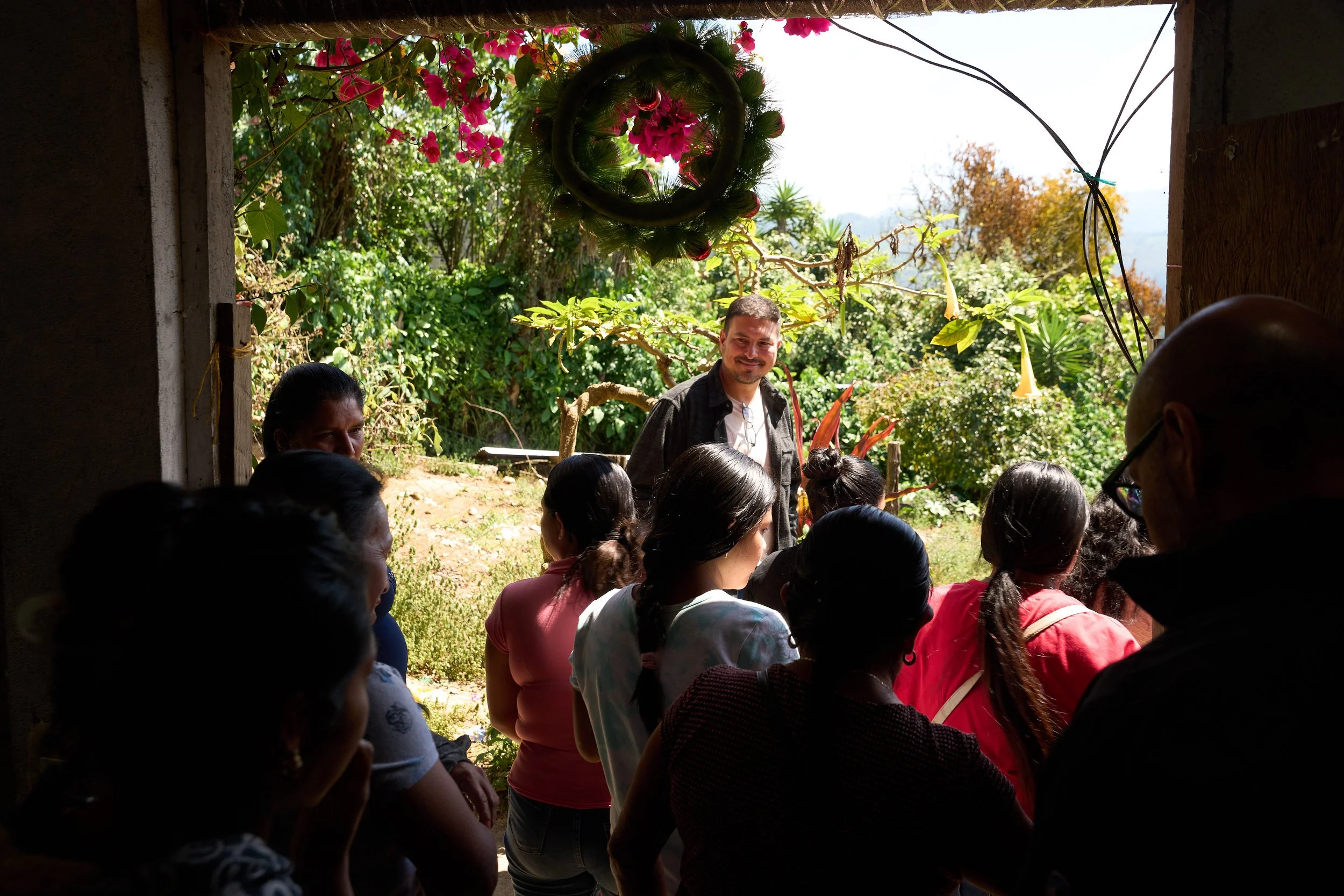
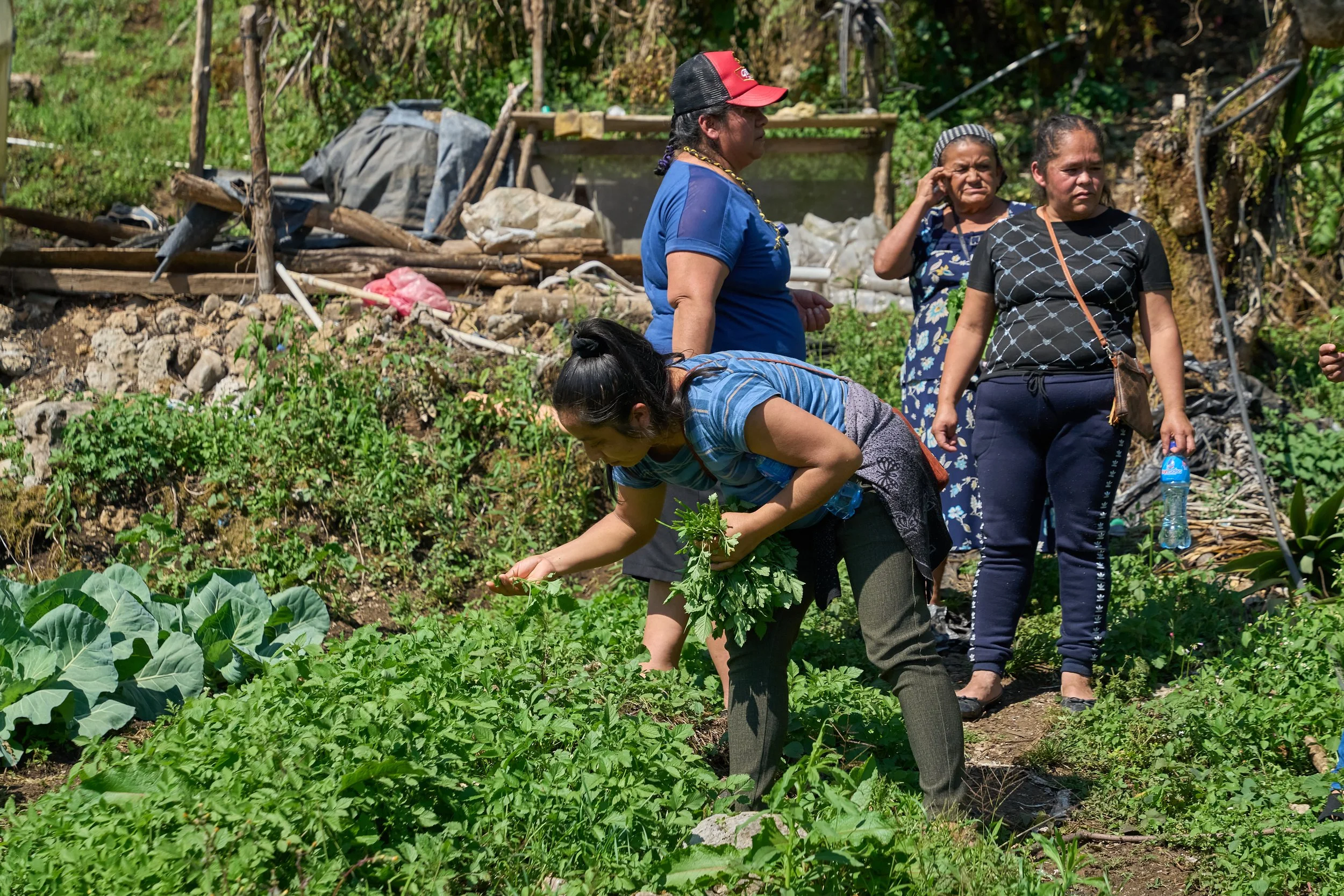
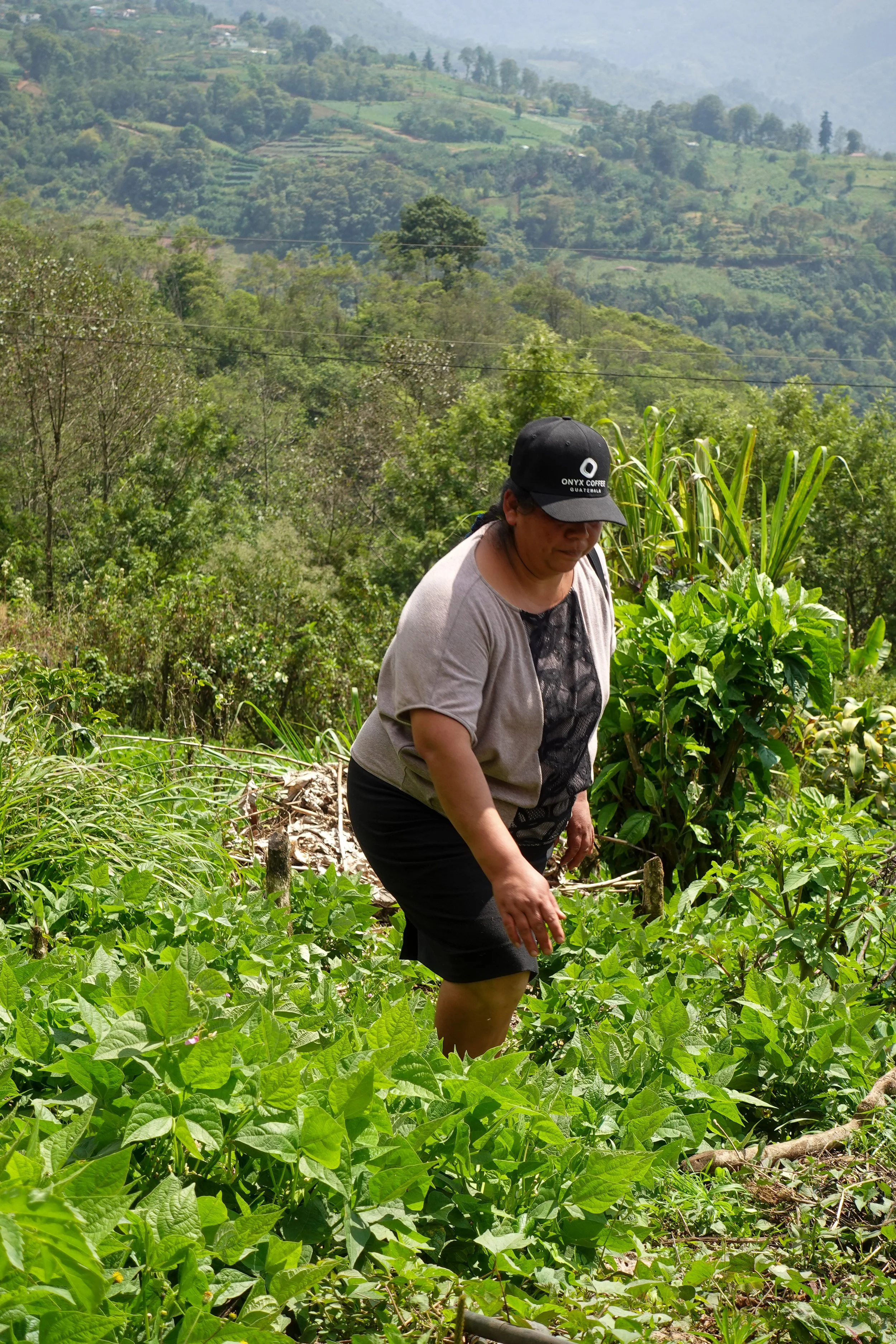
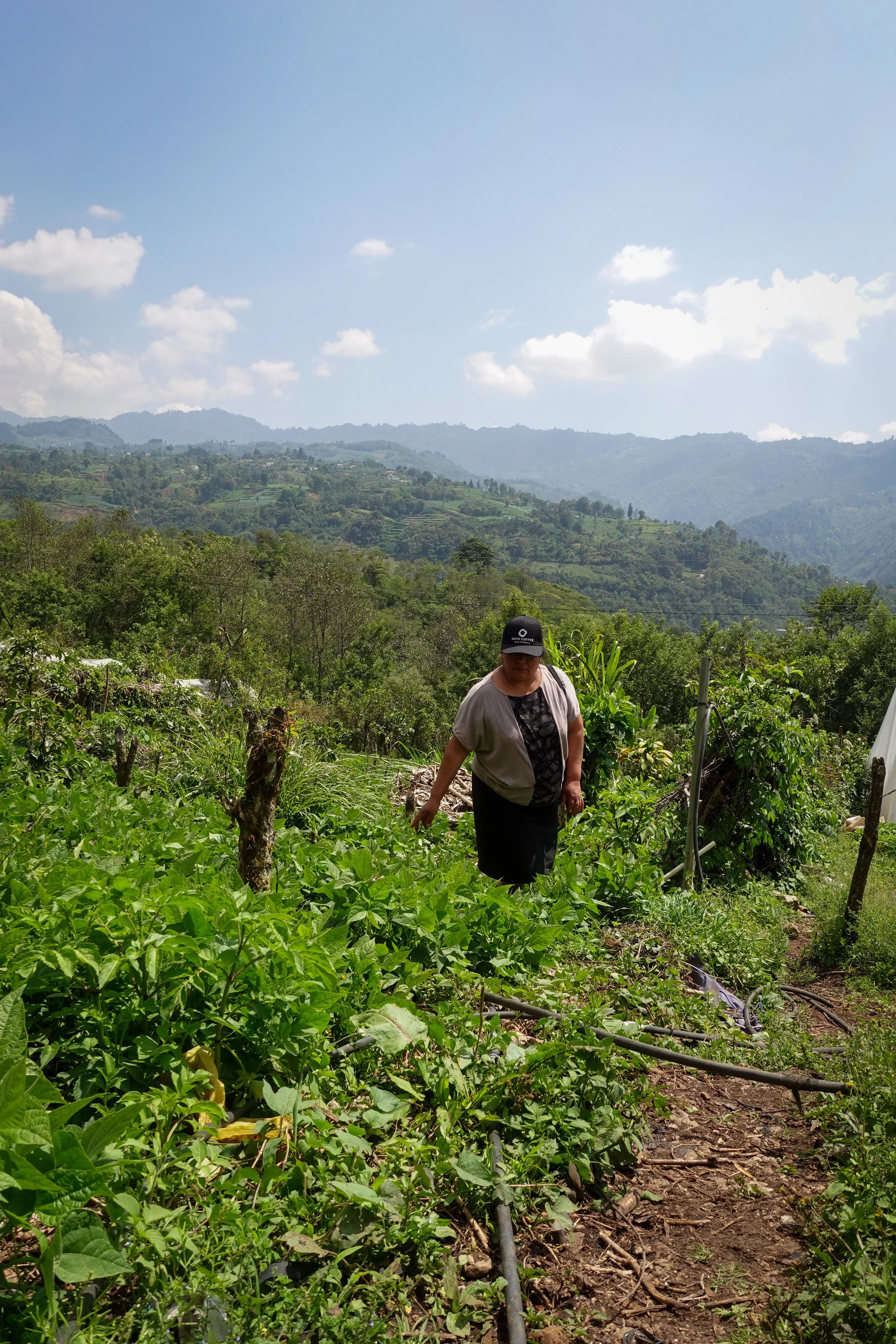
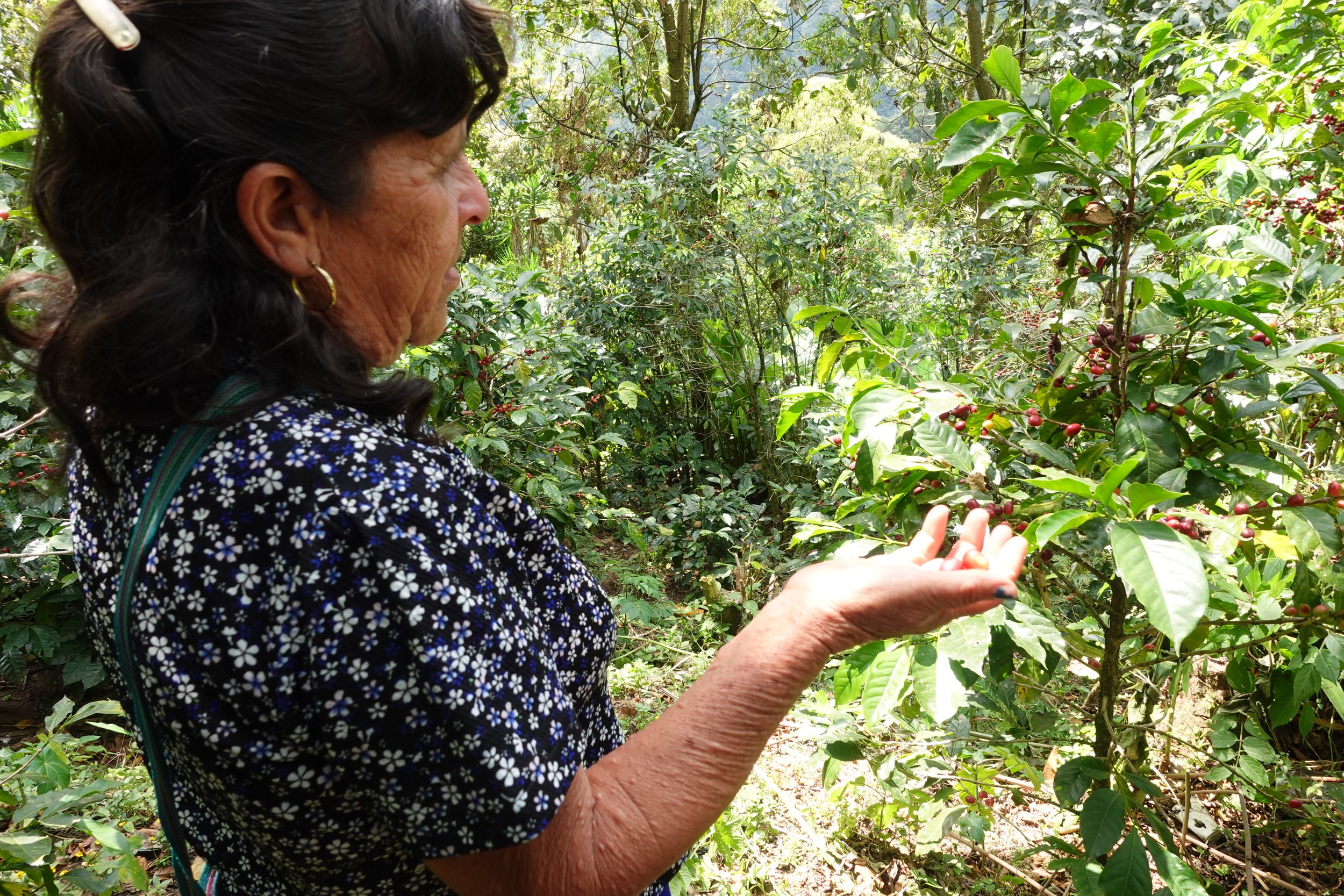
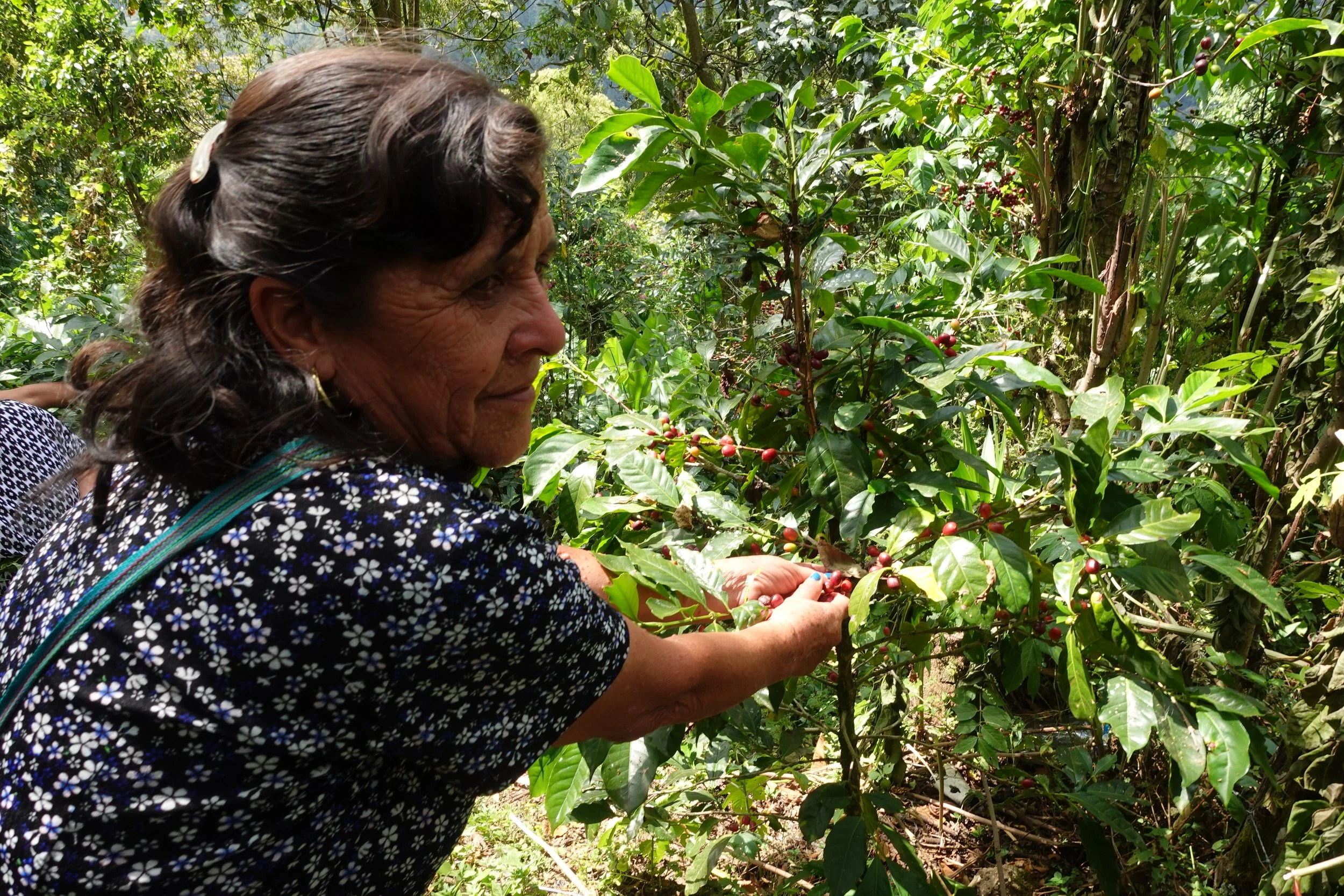
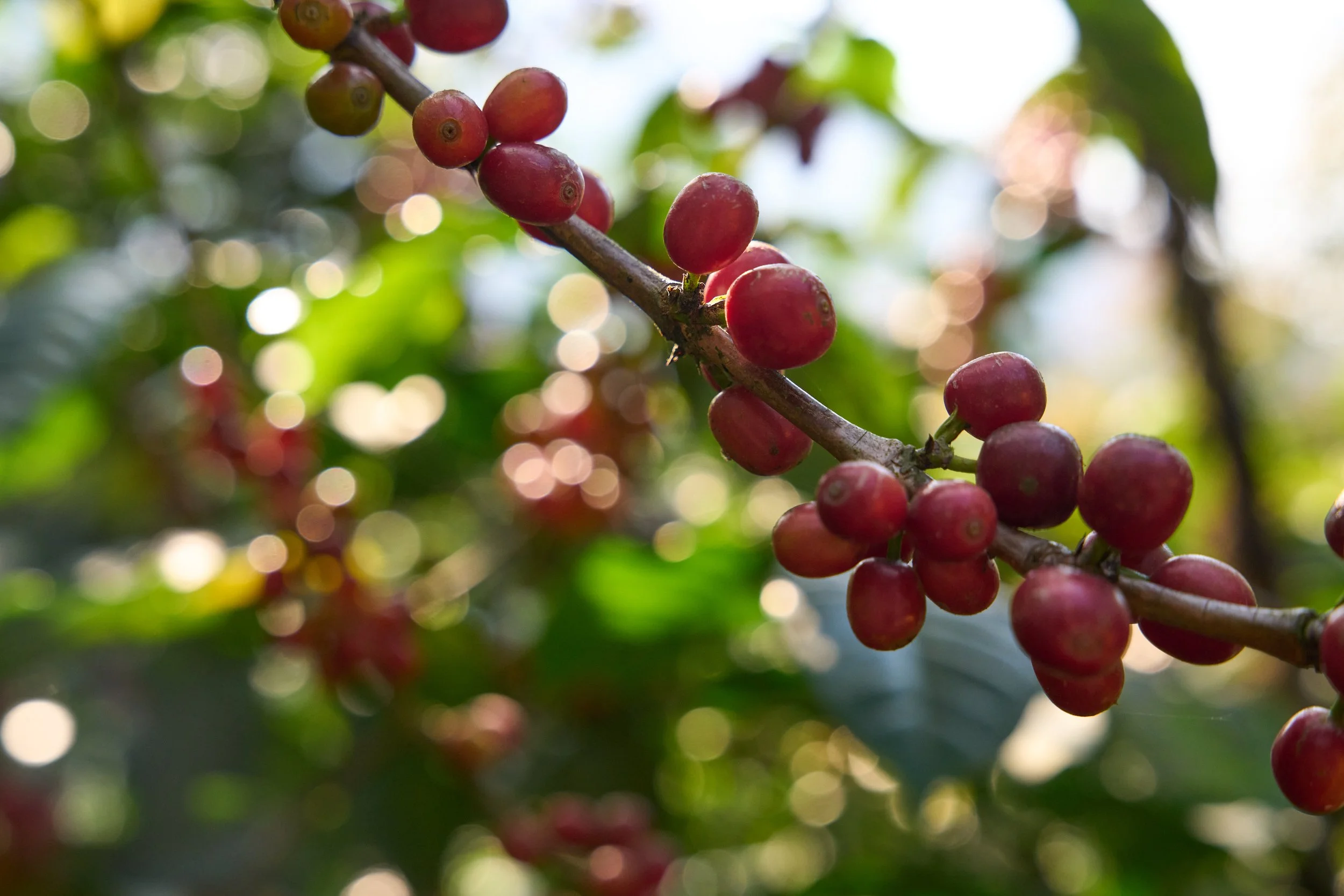
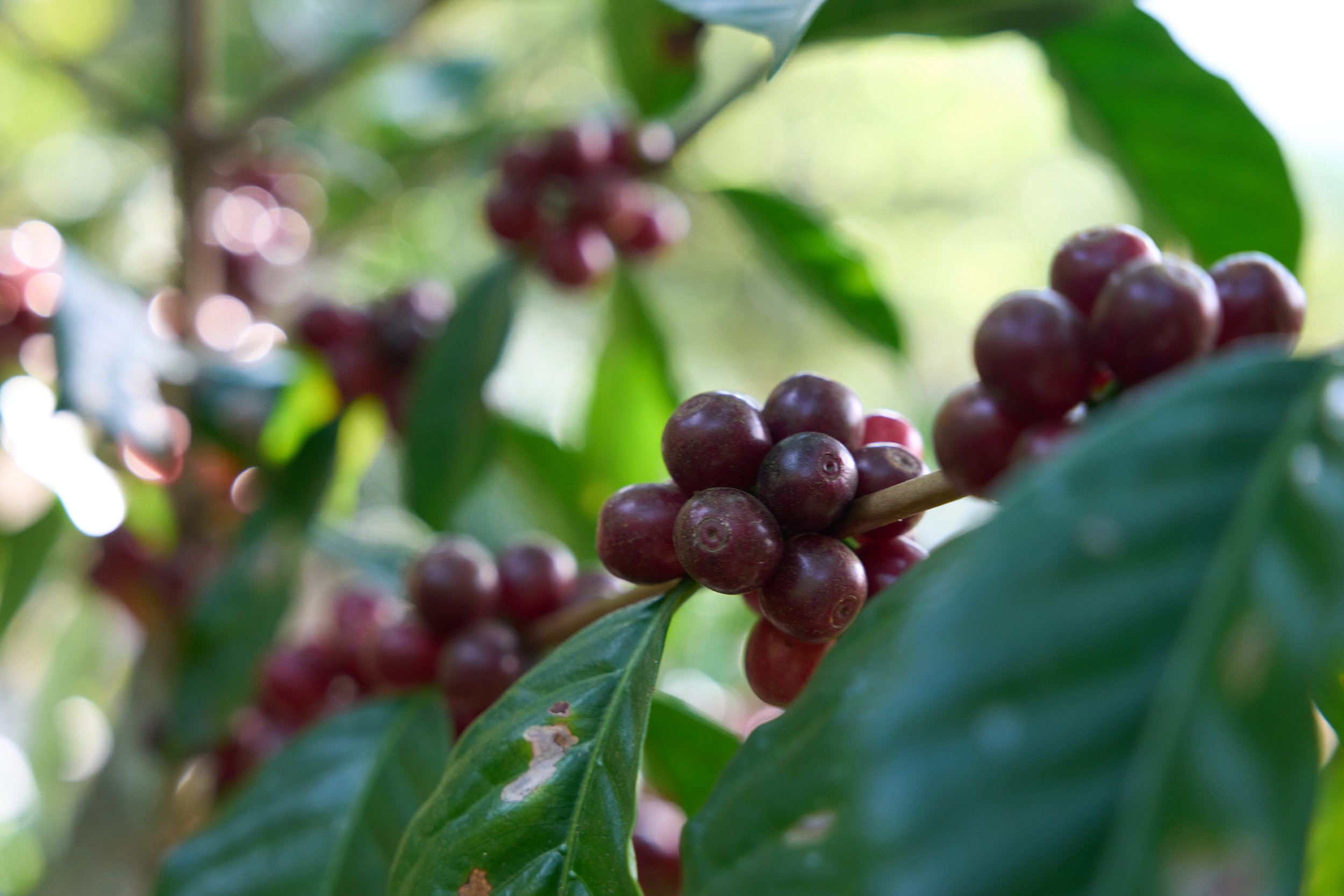
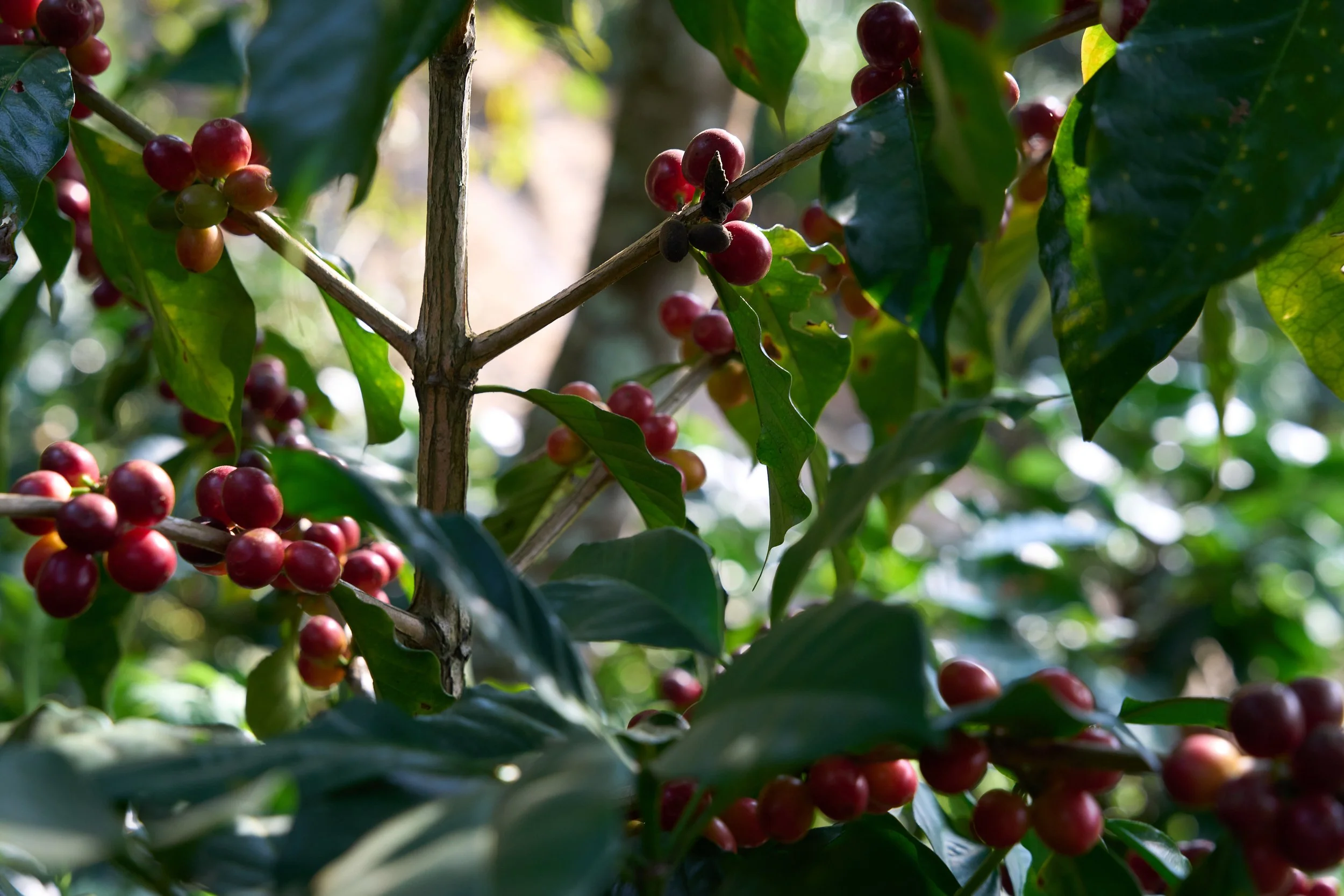
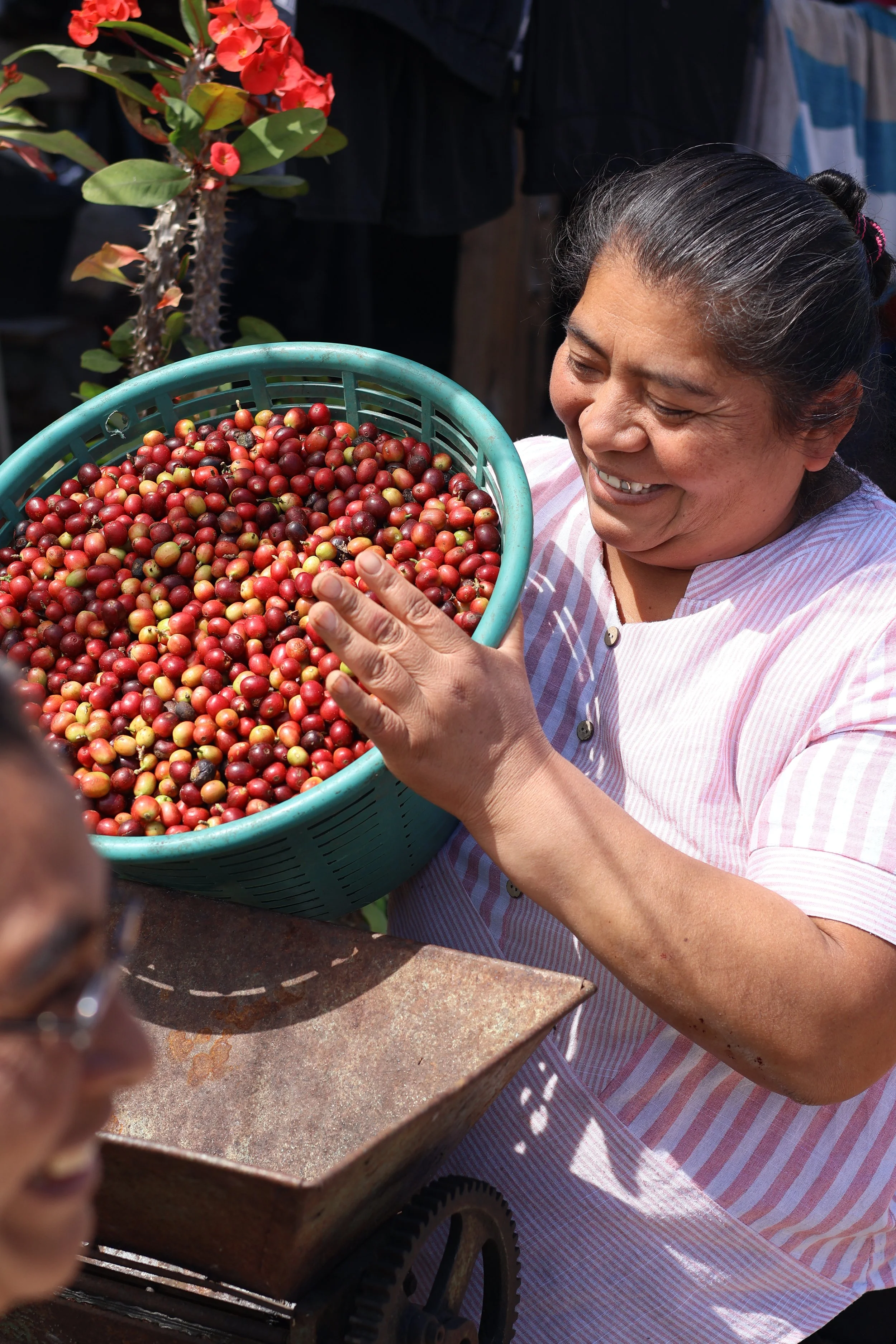
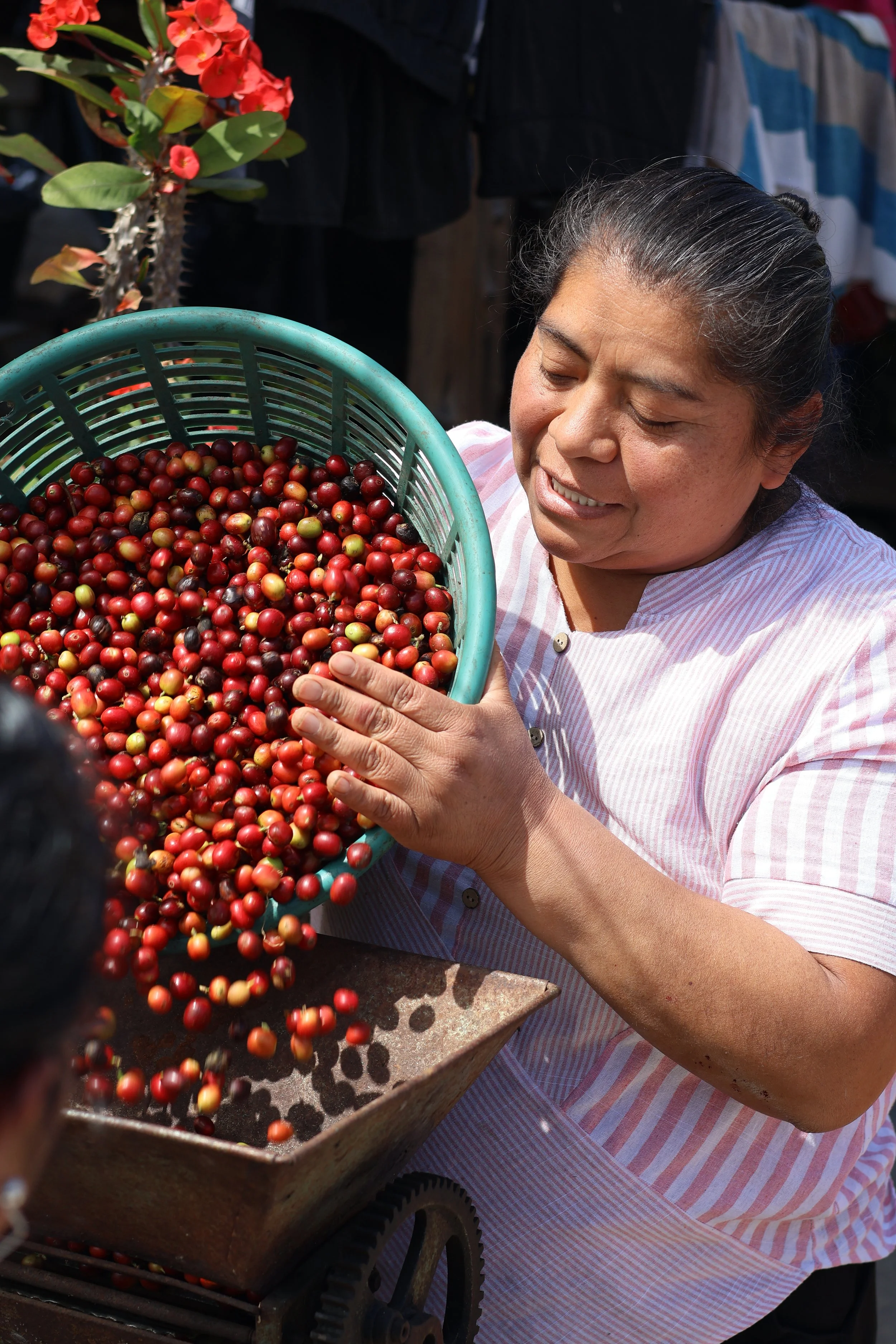
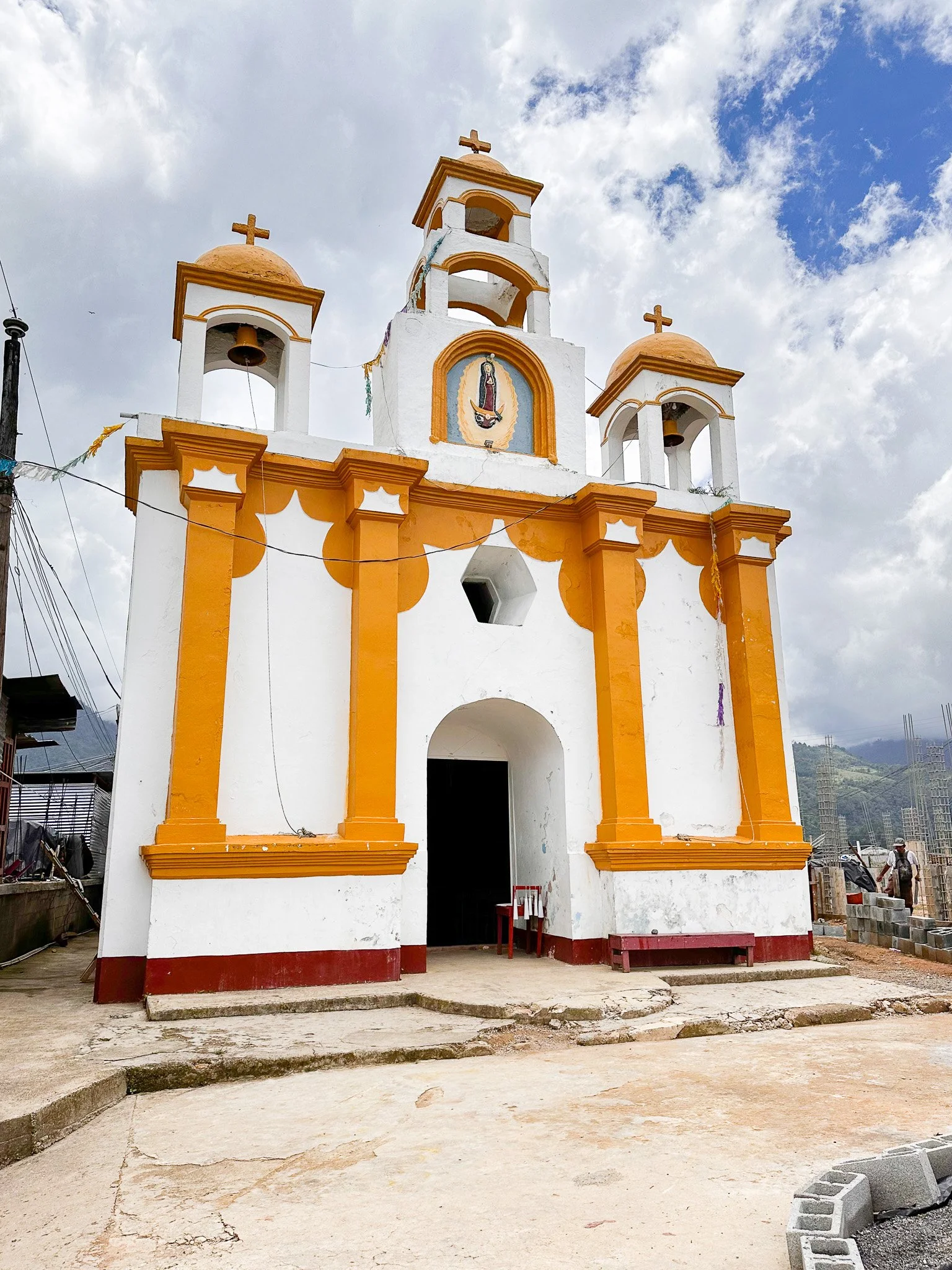
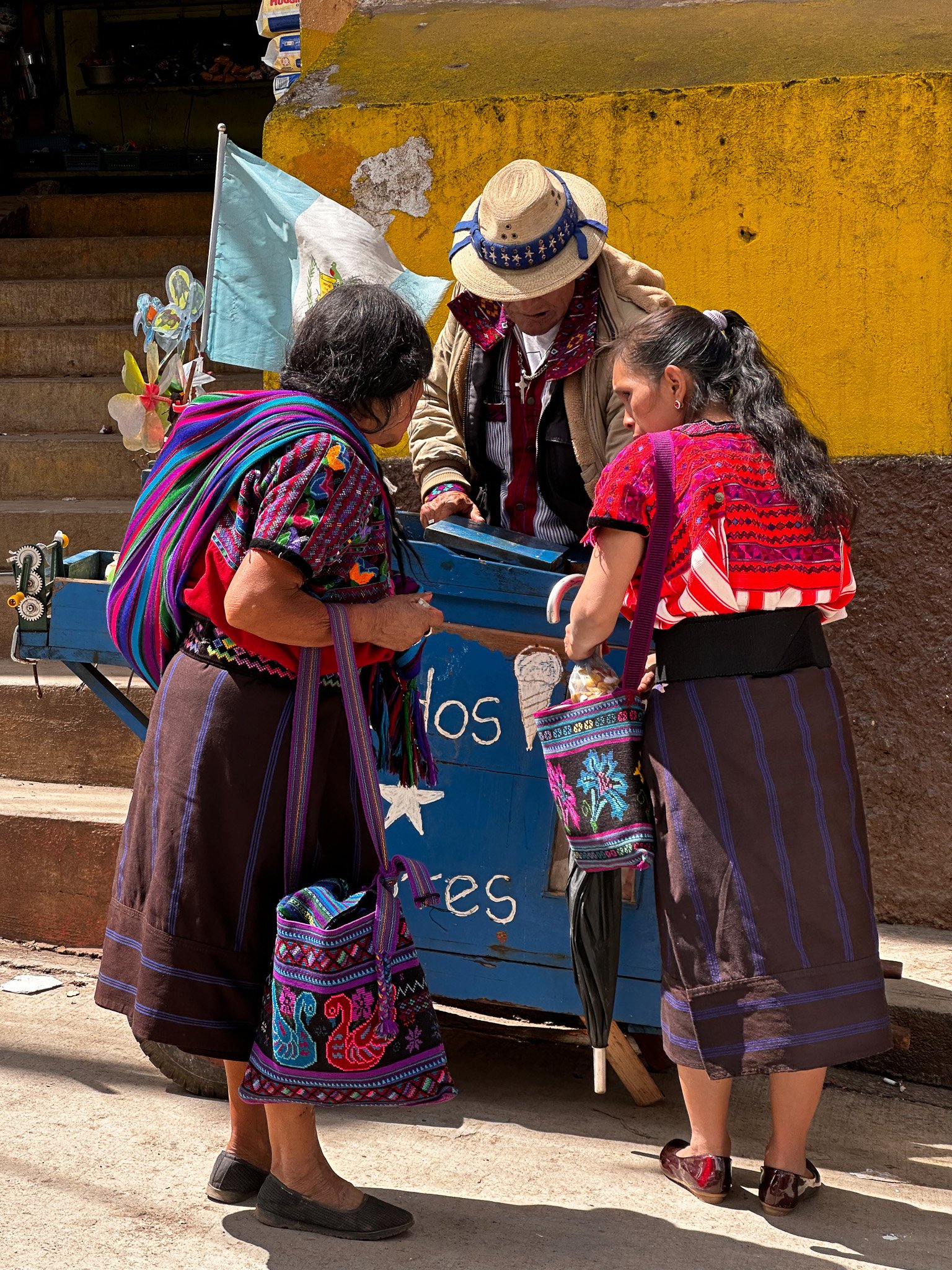
Ella comes from San Martín, Todos Santos, in Guatemala’s Huehuetenango region. The farms contributing to this lot sit between 1,200 and 1,950 meters above sea level and grow Bourbon and Caturra. This is a remote mountain community where getting coffee to market takes considerable work. Our importer, Onyx, describes the journey as roughly four hours from Huehuetenango City and twelve hours from Guatemala City because of the isolation and difficult road infrastructure. Those distances help put the finished bag into perspective. Growing the coffee is one part of the job. Building a business around it, finding access to markets, and keeping that business viable are another enormous undertaking.
WHAT TO EXPECT
Raw Cacao Nibs • Mixed Berry • Eucalyptus
Ella’s profile brings together chocolate, berry notes, and a sweet, creamy mouthfeel with a wonderful cooling effect. The raw chocolate gives the cup a familiar foundation, while the berry character adds another layer to explore. Texture is a big part of the appeal here. We want that sweetness to feel rounded and complete, with the fruit and chocolate with herbal notes working together throughout the cup. One detail our importer specifically highlights is how well Ella holds its sweetness as it cools. Give yourself enough time to experience that. Taste it hot, come back when it is warm, and leave a little in the cup to try closer to room temperature.
GIVE THIS ONE SOME TIME
As with our other lightly roasted coffees, give Ella some time after roasting before deciding what you think of it. Around 21–30 days is a useful starting point within our usual resting approach. Taste along the way and pay attention to how the sweetness, berry character, and texture come together. Your brewer and extraction will influence that experience too. If an early cup feels sharp or the flavors seem difficult to separate, revisit it after another week. Keep the bag sealed tightly between brews, store it somewhere cool and dry, and limit unnecessary exposure to fresh air.
-
Origin: Guatemala
Region: Huehuetenango
Community: San Martín, Todos Santos
Producer: Members of Mujeres Luchando por un Mejor Futuro
Elevation: 1,200–1,950 MASL
Varieties: Bourbon, Caturra
Process: Washed
Fermentation: 36 hours
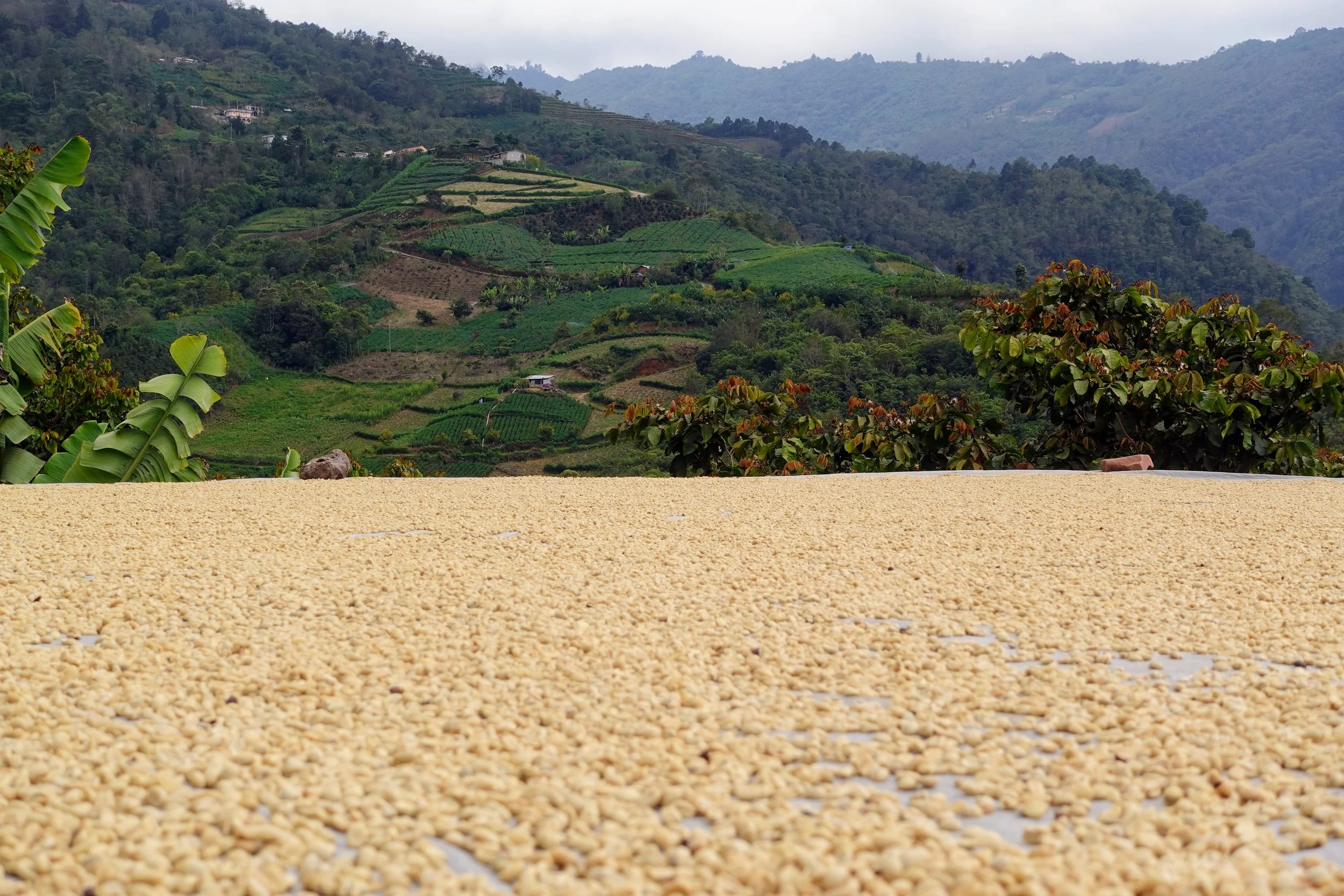
Drying: Concrete patios, 14 days
Roast: Light
Importer: Onyx Coffee
Cup Profile: Chocolate, Berry, Creamy Sweetness -
Brewing Difficulty: 1 / 3
Ella sits in the approachable part of our lineup, with a flavor profile built around sweetness, chocolate, fruit, and texture.
For filter coffee, start around a 1:16 to 1:17 coffee-to-water ratio. Our familiar starting point of 22 grams of coffee to 366 grams of water lands comfortably within that range.
From there, adjust for what you taste. If the cup feels thin or sharply sour, try a slightly finer grind. If it becomes dry, heavy, or difficult to separate into individual flavors, try moving a little coarser.
Your grinder, water, brewer, pouring style, and resting time all affect the result. Use the recipe to get started, then let the cup guide your adjustments.
ESPRESSO + MILK
Milk Compatibility: 3 / 3
Chocolate and creamy sweetness put Ella in a flavor lane we love for espresso and milk drinks.
For straight espresso, aim for a cup where the berry character has enough sweetness and body around it to feel balanced. In a cappuccino or latte, look for the chocolate to become the foundation, with the fruit adding another layer.
Start with a smaller milk drink if you want to keep more of the coffee’s individual character present. Adjust the amount of milk around the flavor balance you enjoy.
-
Our goal with Ella is to preserve the berry character and creamy texture while developing the sweetness that holds the whole cup together.
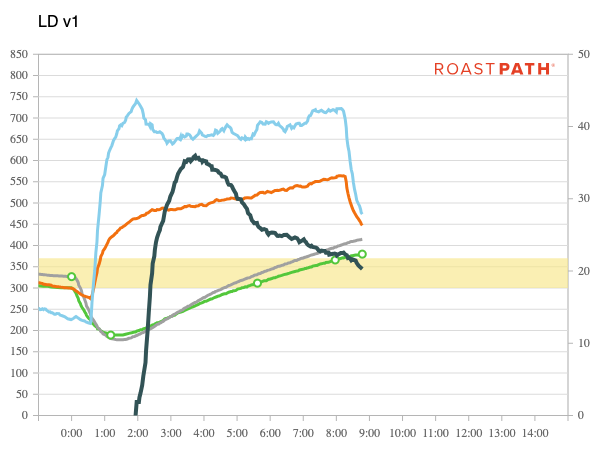
We roast it light, paying attention to how the chocolate, fruit, and mouthfeel fit together. The chocolate is part of the coffee’s own flavor profile, and we want enough clarity to keep the berry notes present alongside it.
That balance is what interests us about a coffee like this. Familiar flavors can still have depth, definition, and plenty of personality.
Too light and we get bay leaf and piney flavors, especially when brewed too soon off roast. We aim to push this coffee slightly past this “too light” range in order to pull out maximum origin and fruity flavor!
-
If you enjoy washed Guatemalan coffees, chocolate-and-fruit combinations, creamy textures, or sweet espresso, Ella belongs on your list.
It is also a good place to explore light roasting if chocolate is usually your starting point when buying coffee. There is a familiar foundation here, with room to pay closer attention to fruit, texture, and the way a cup changes as it cools.
-
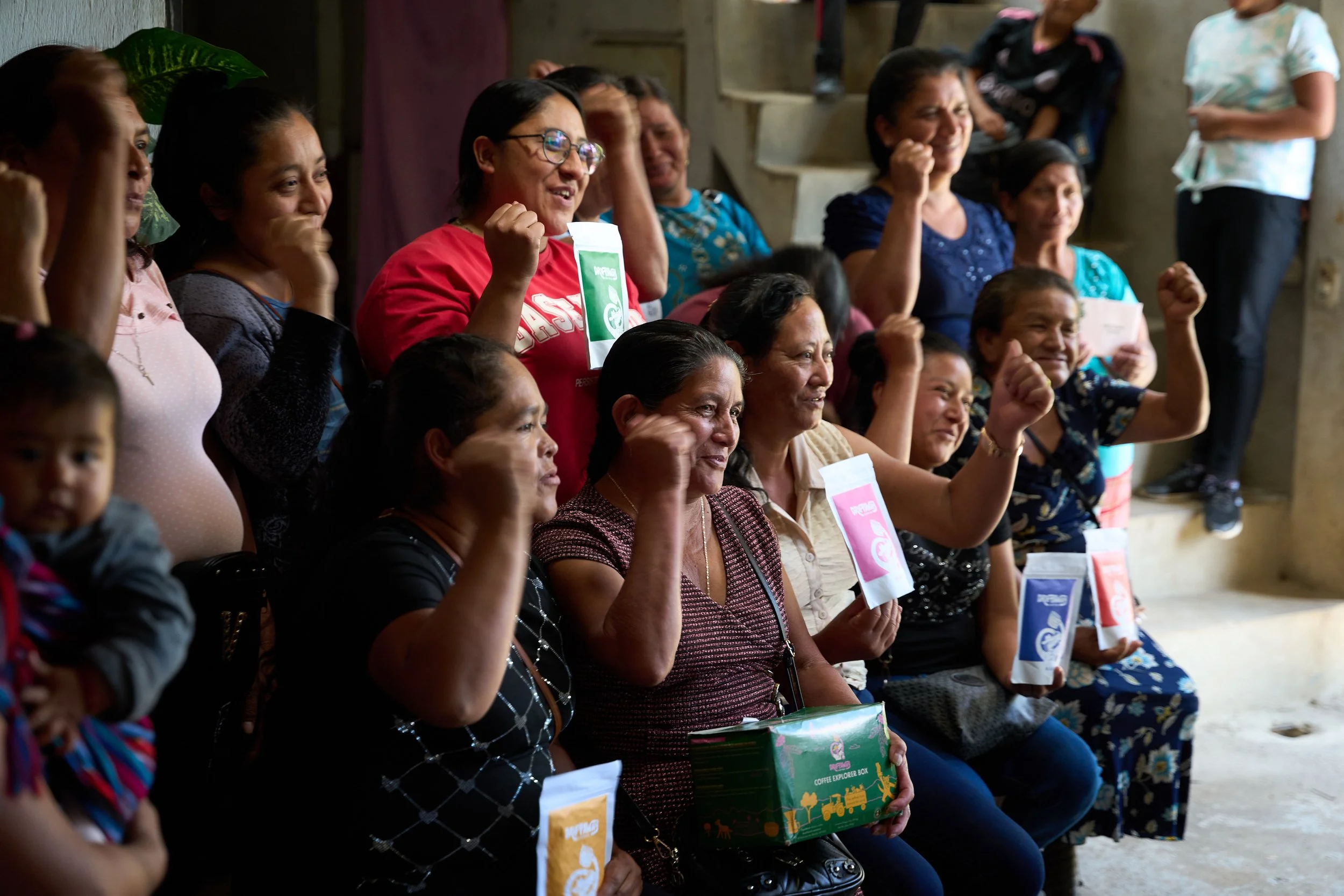
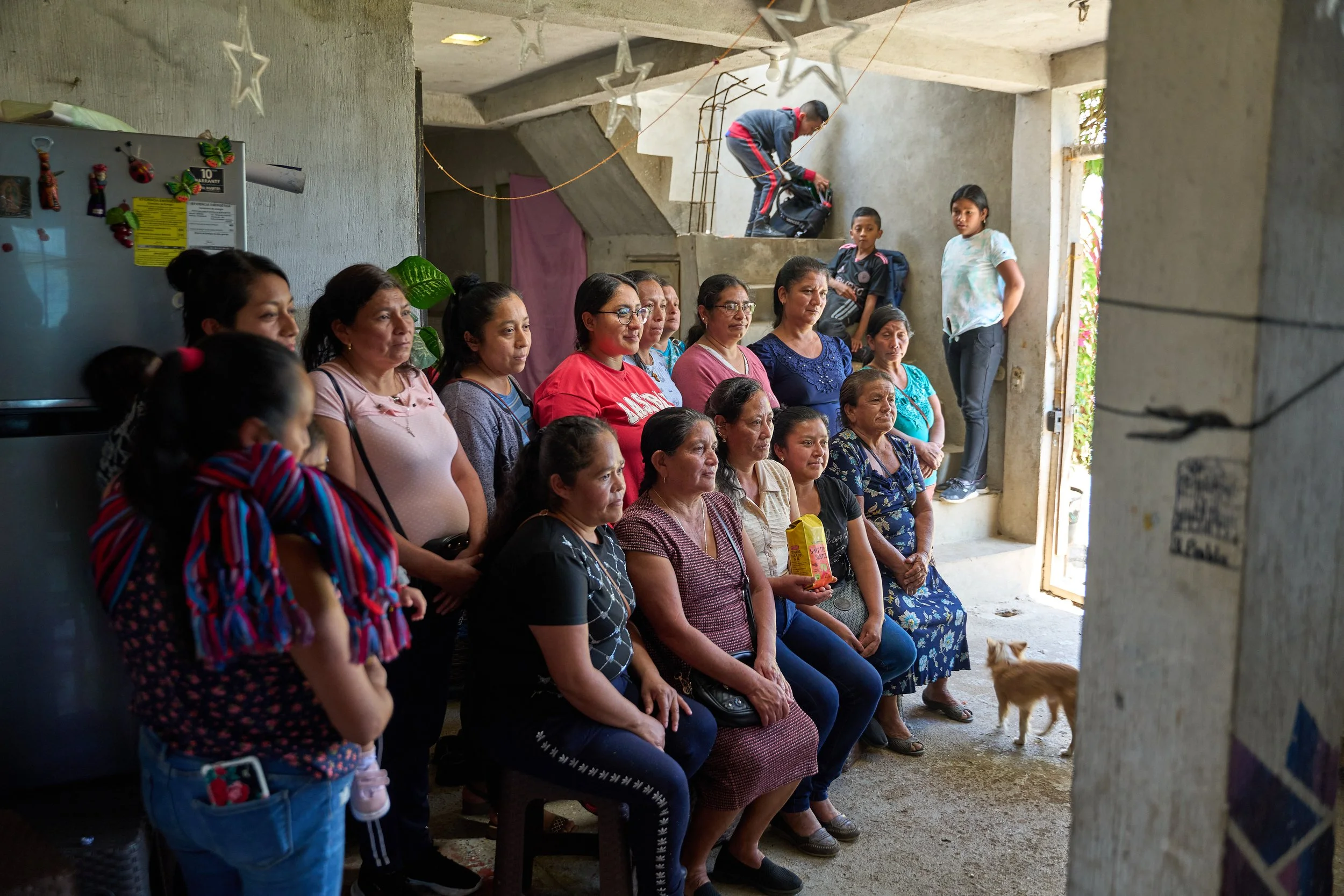
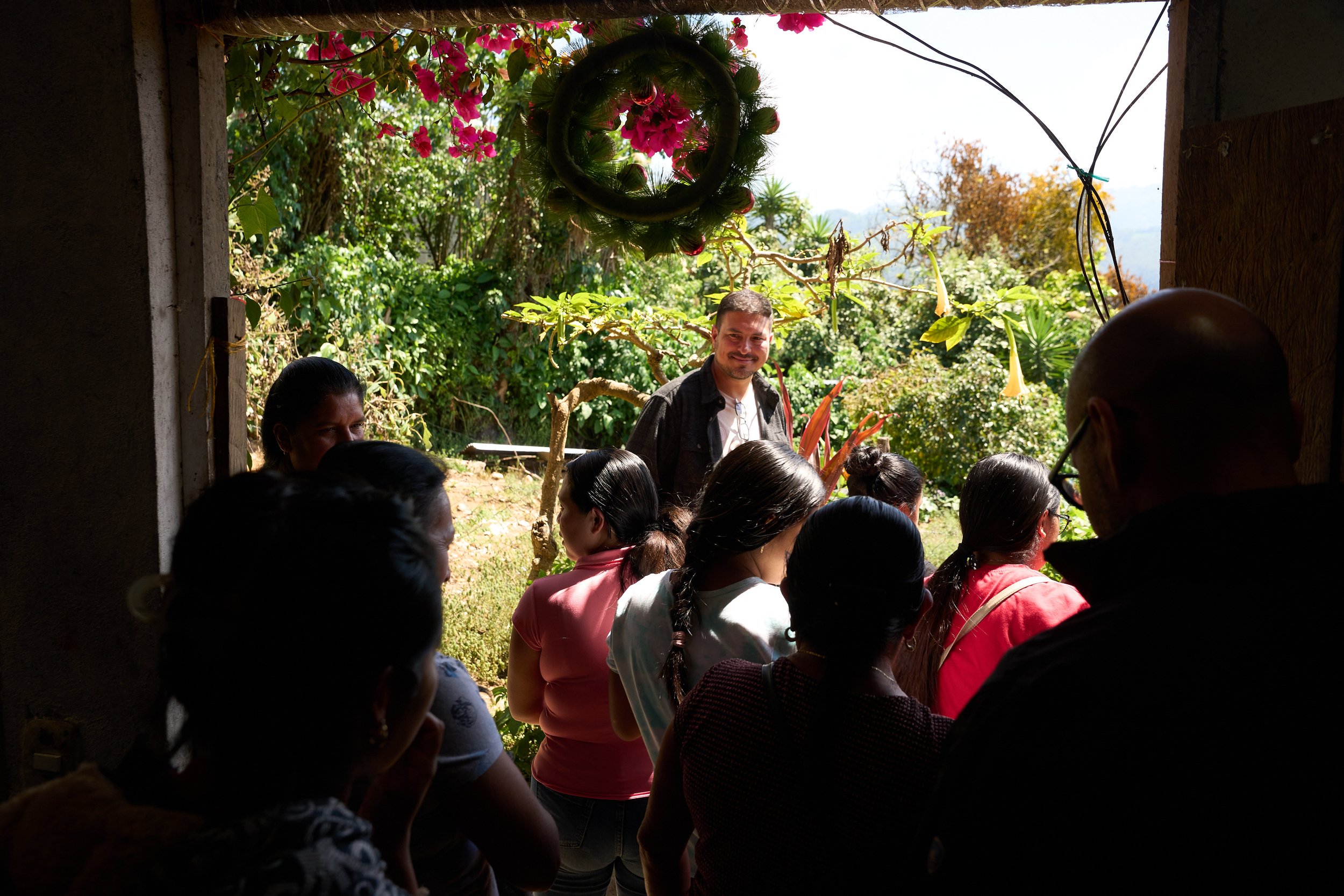
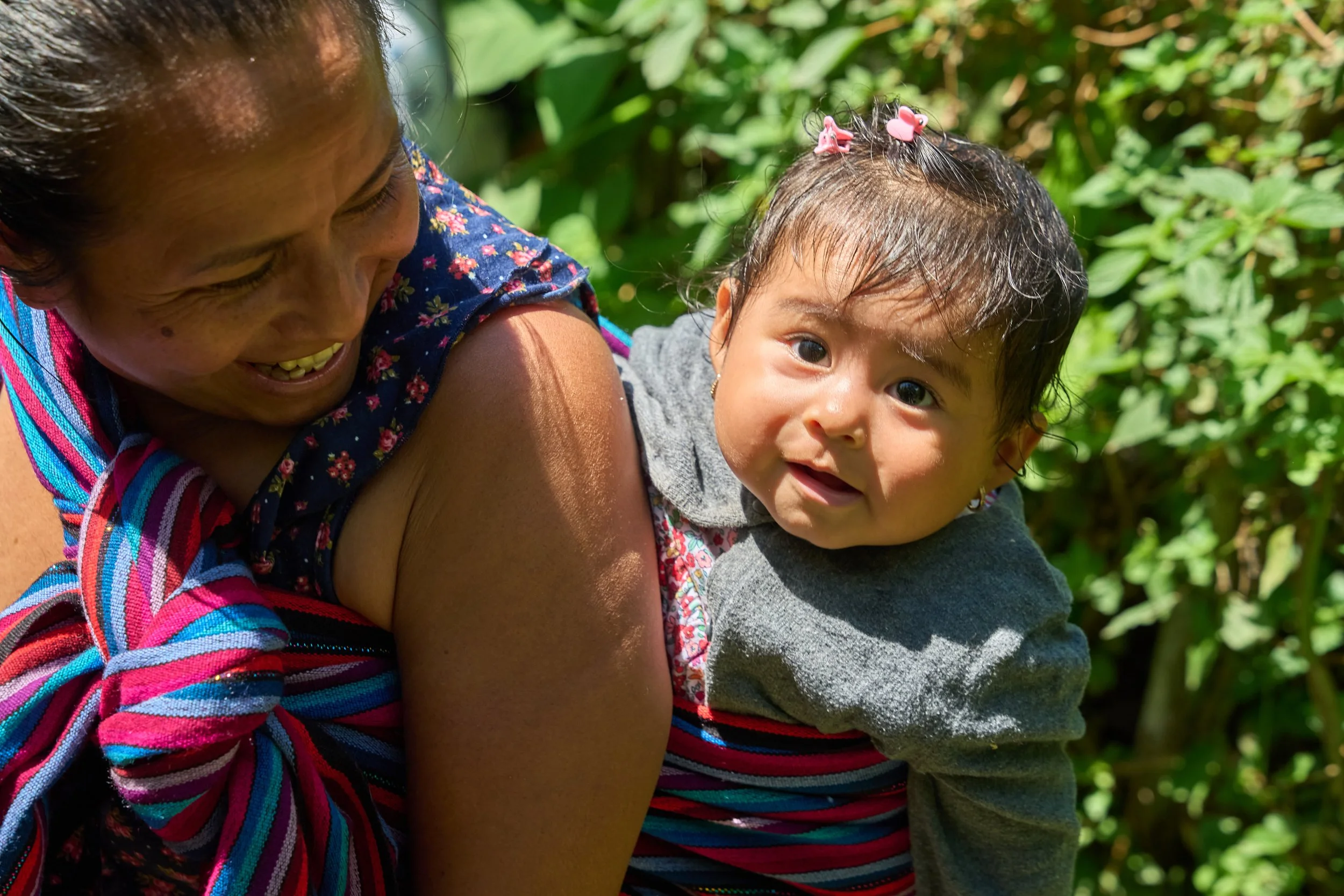
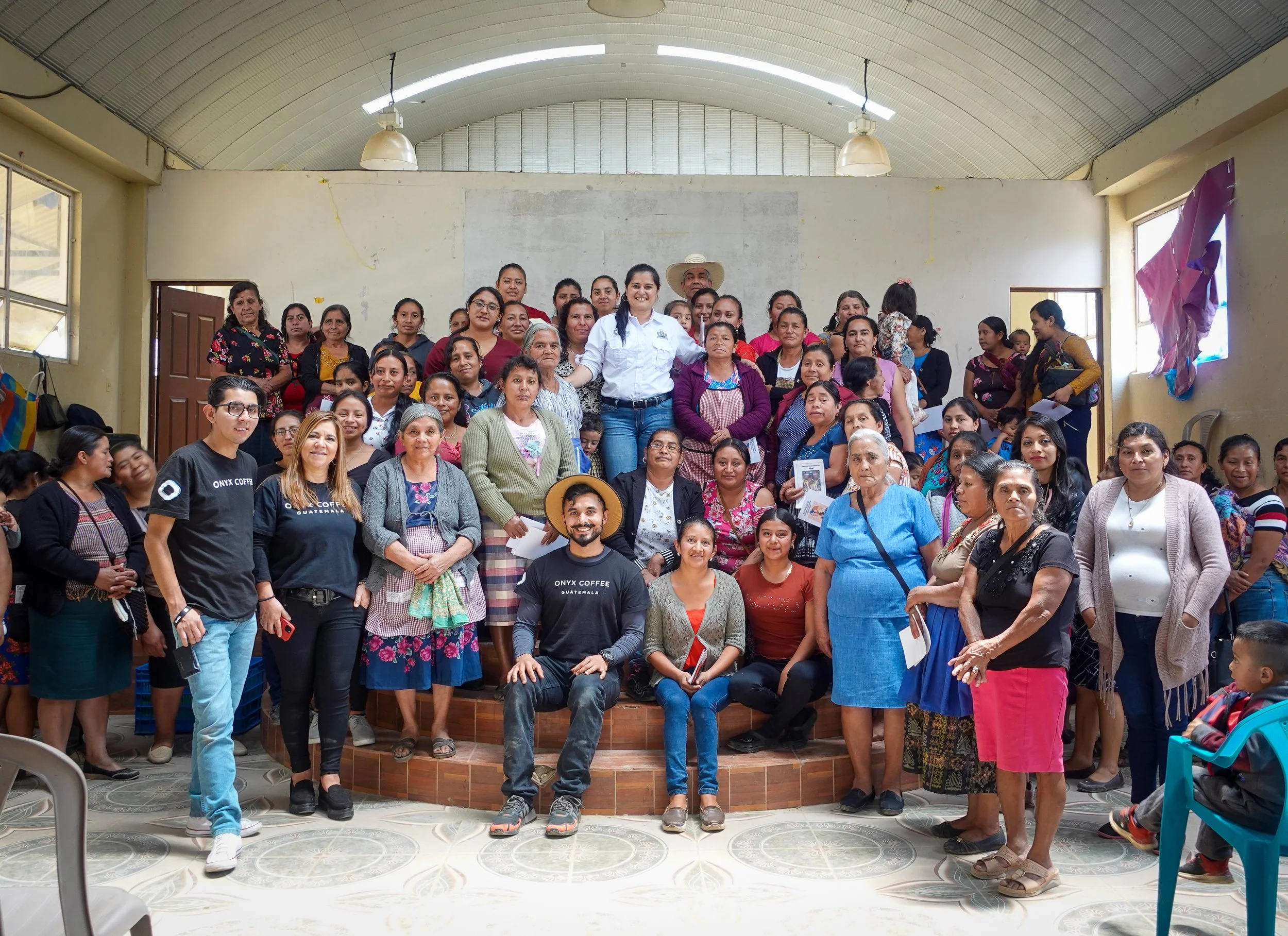
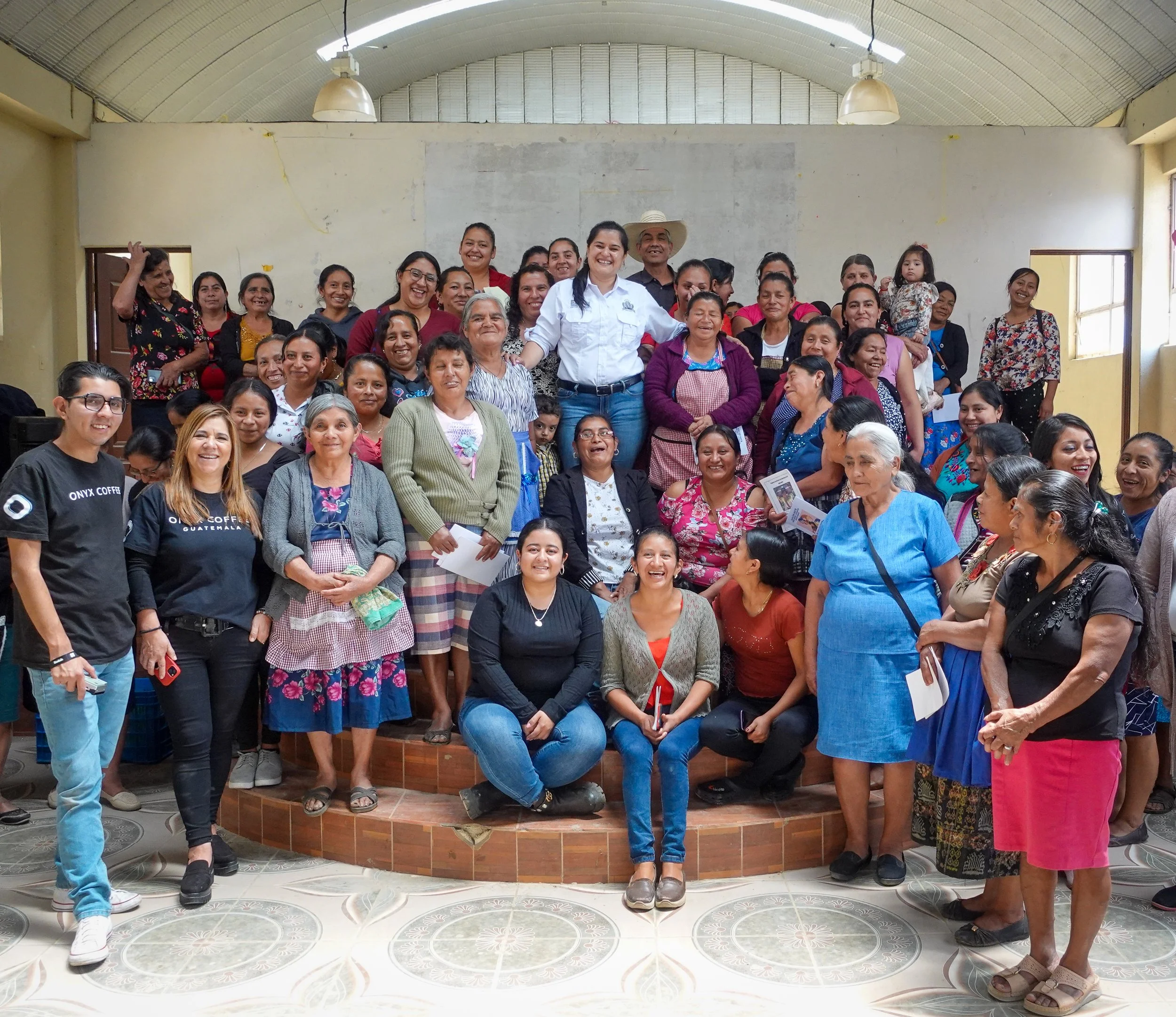
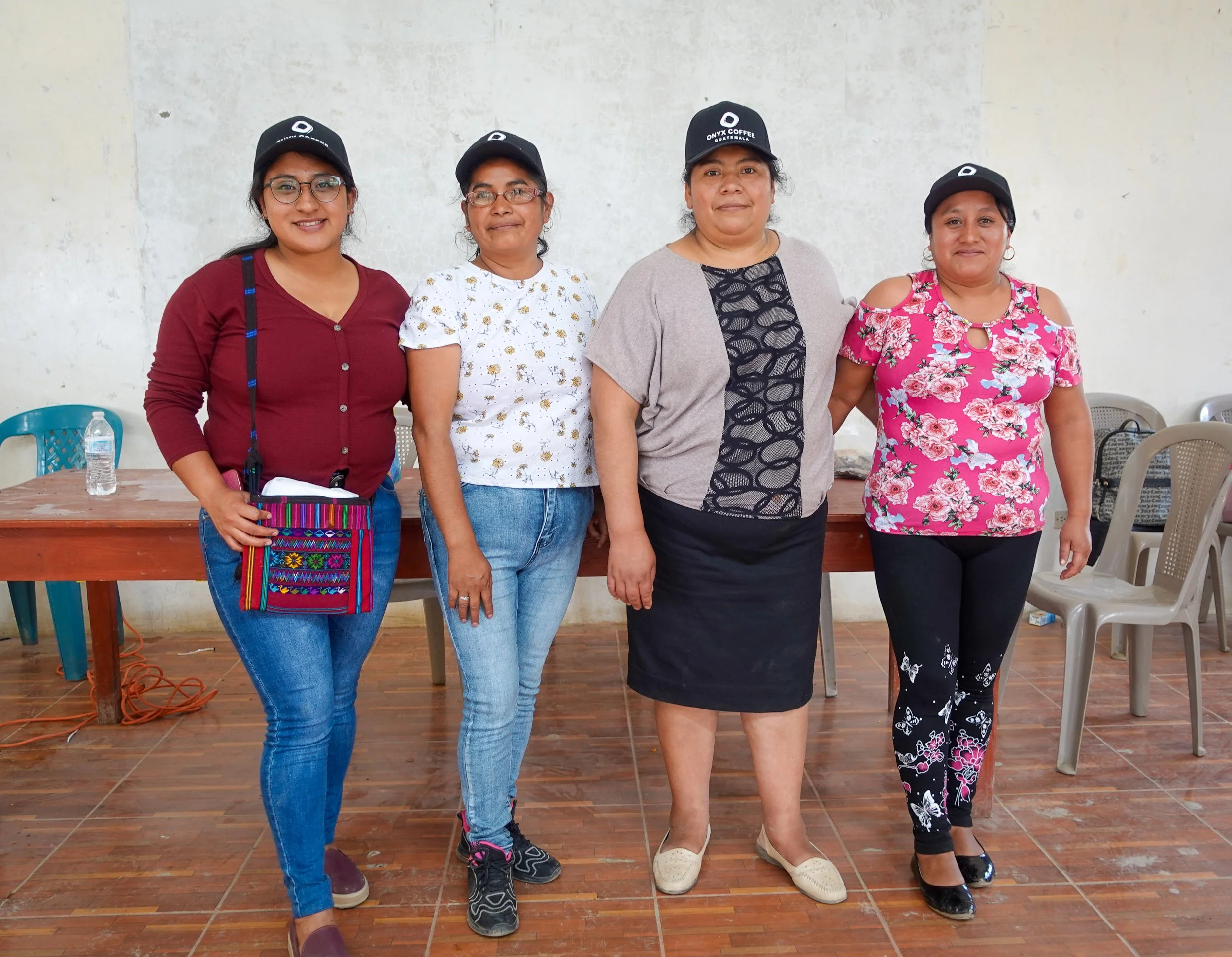
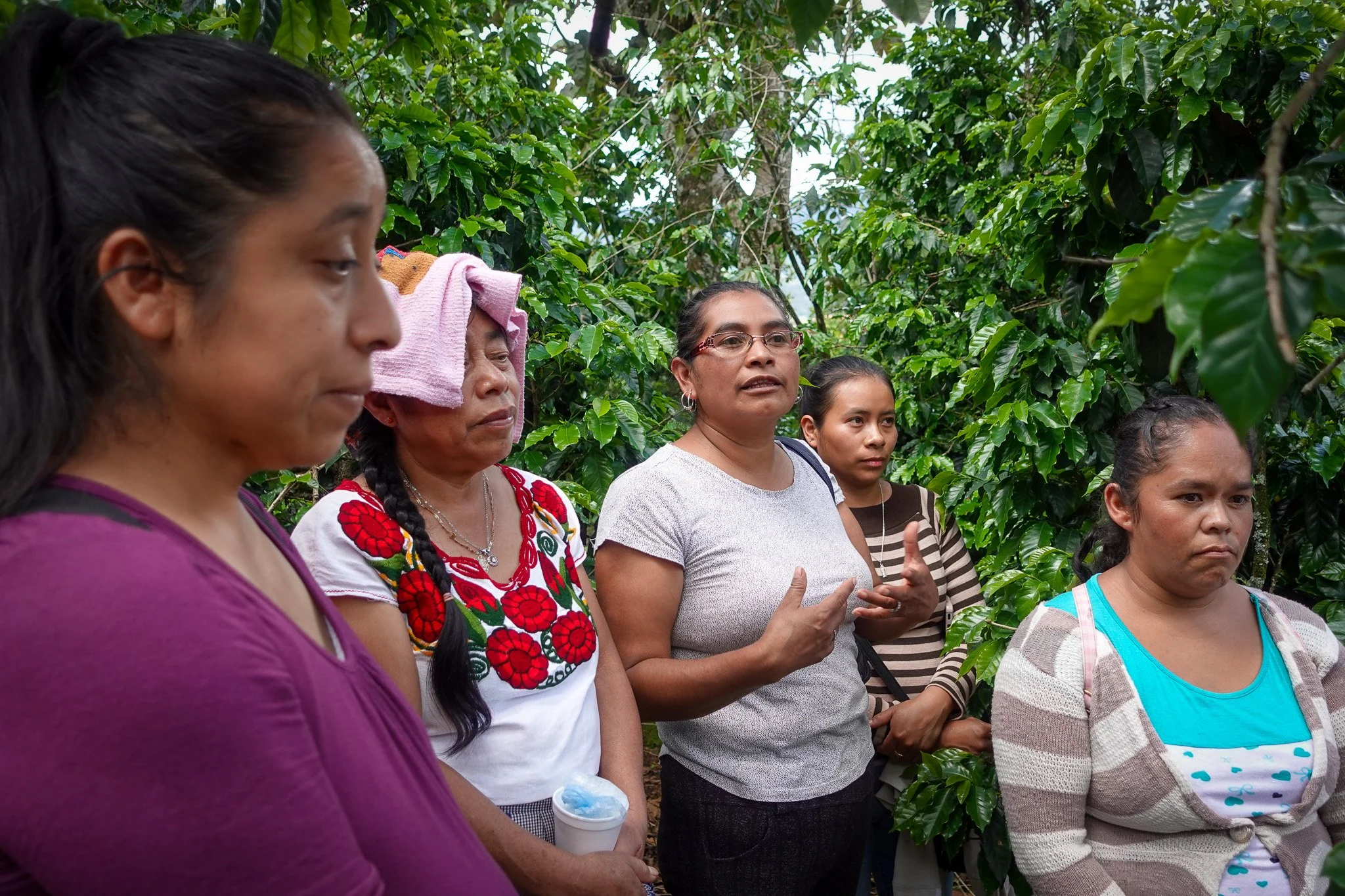
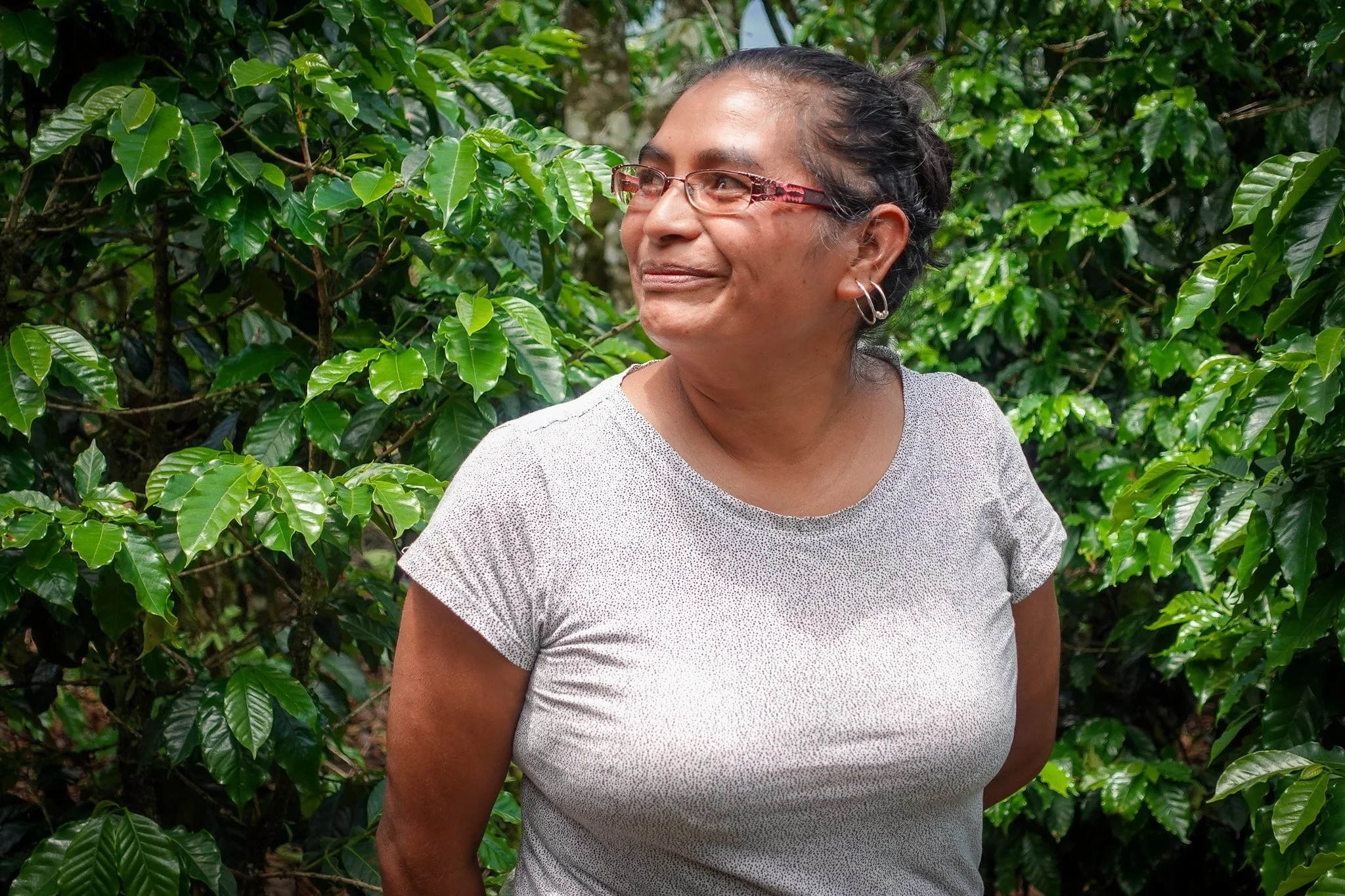
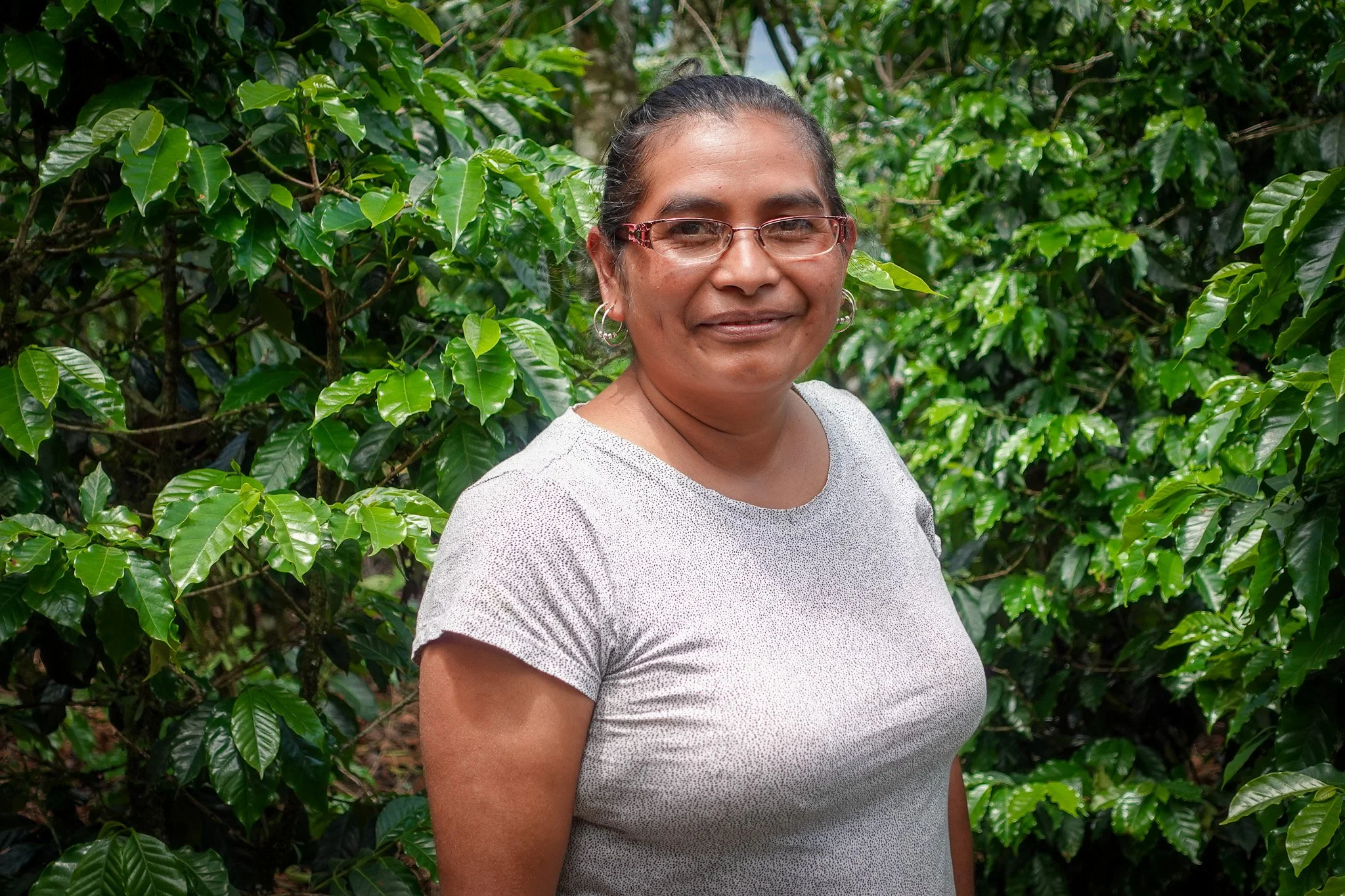
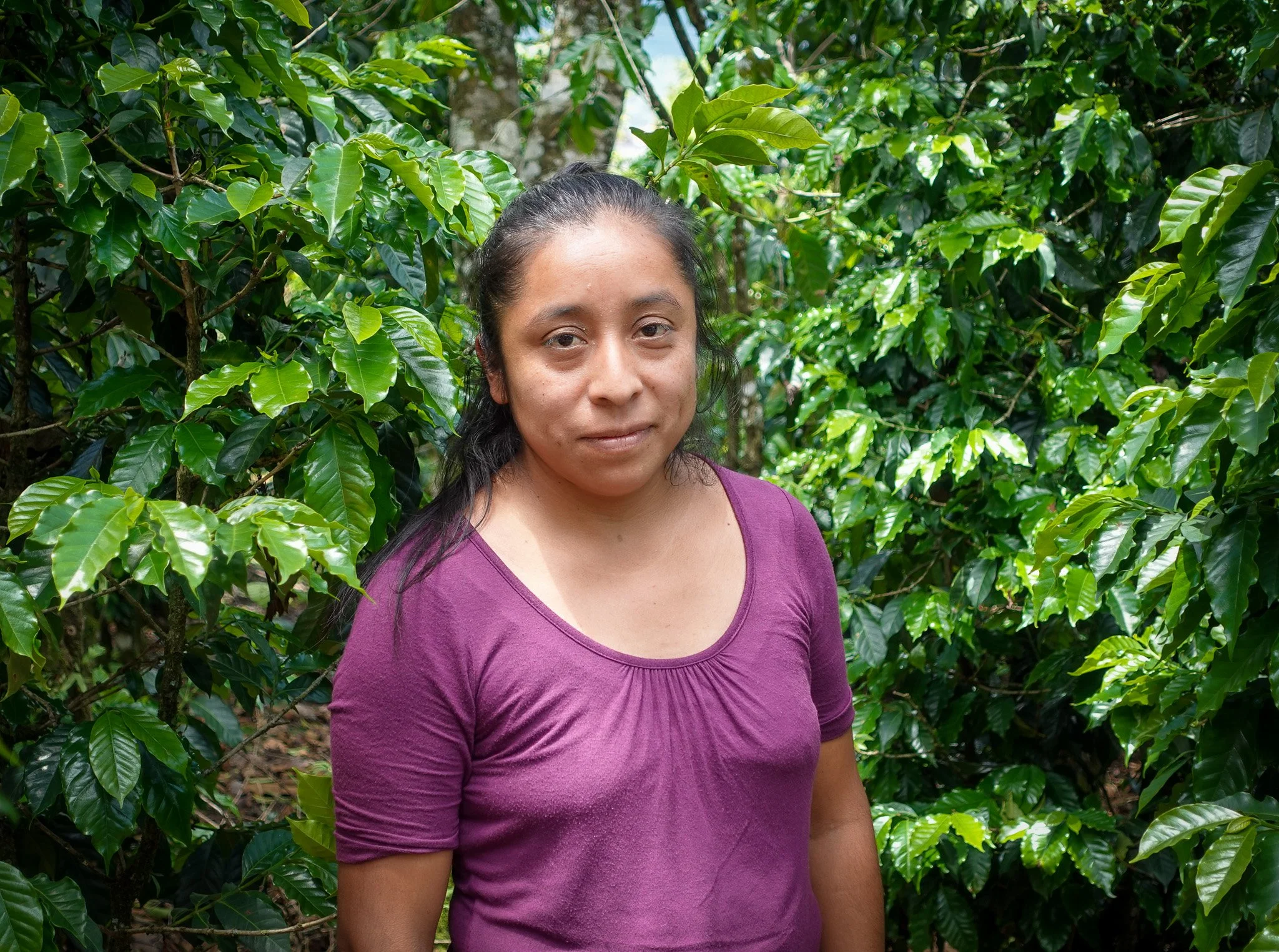
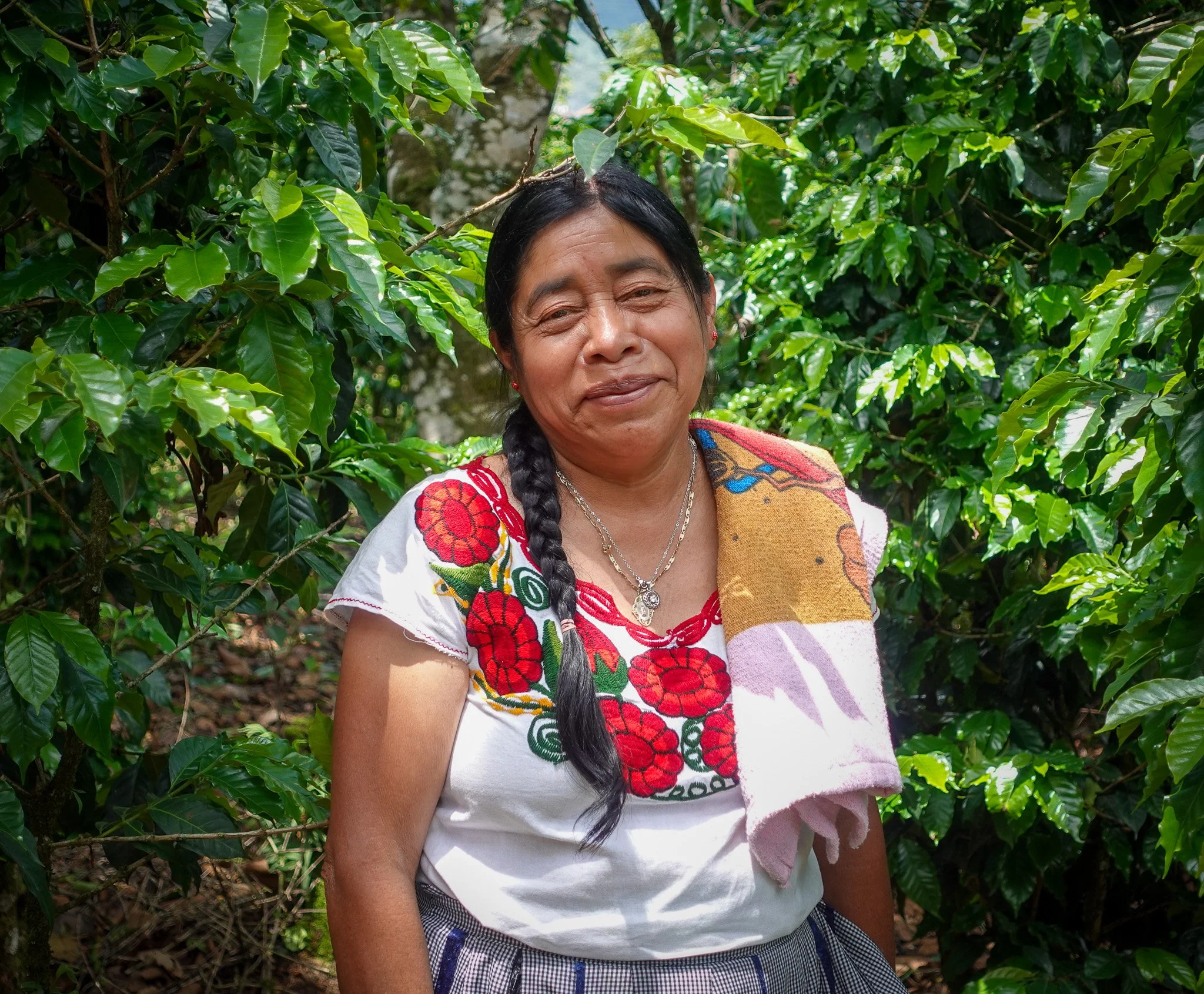
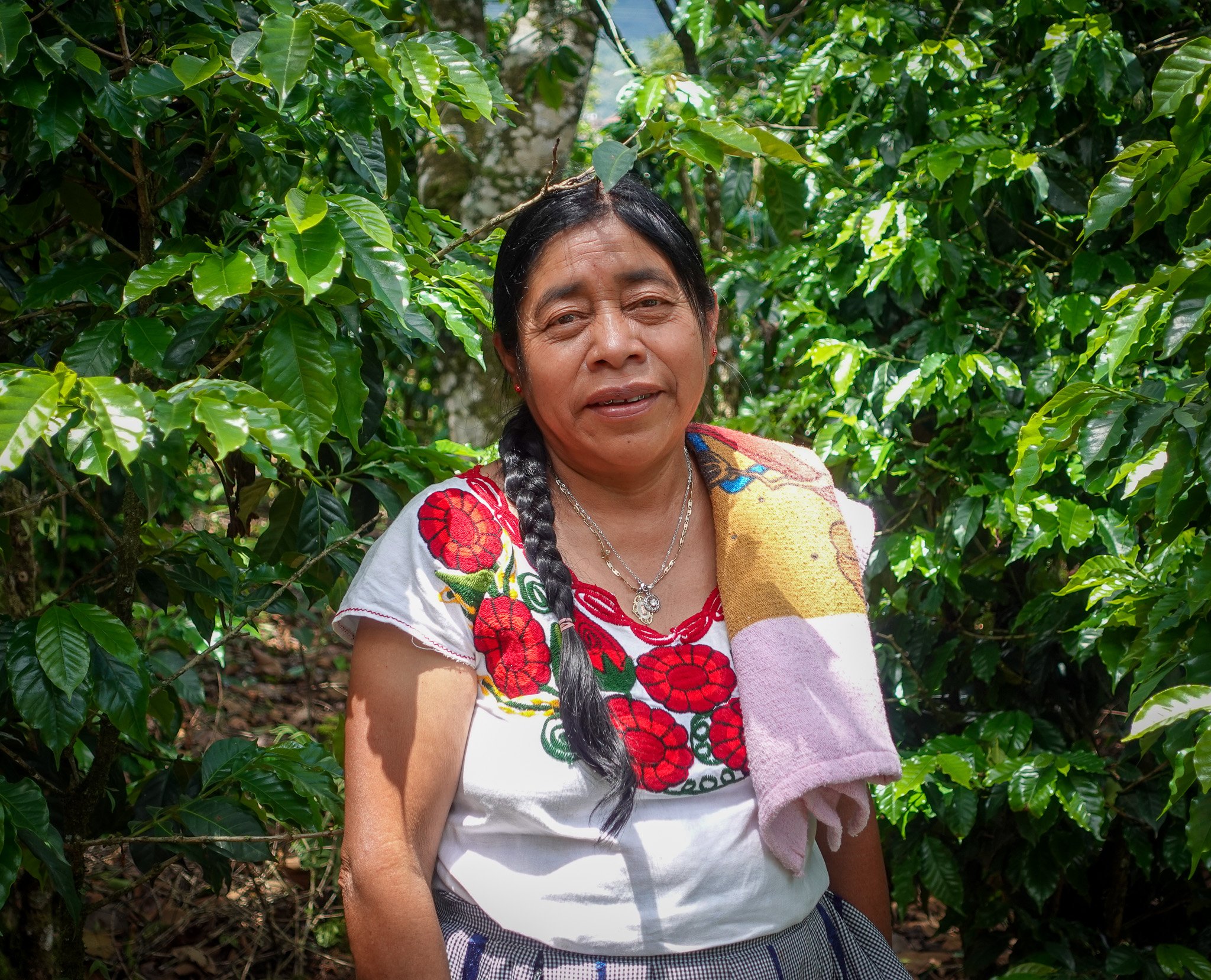
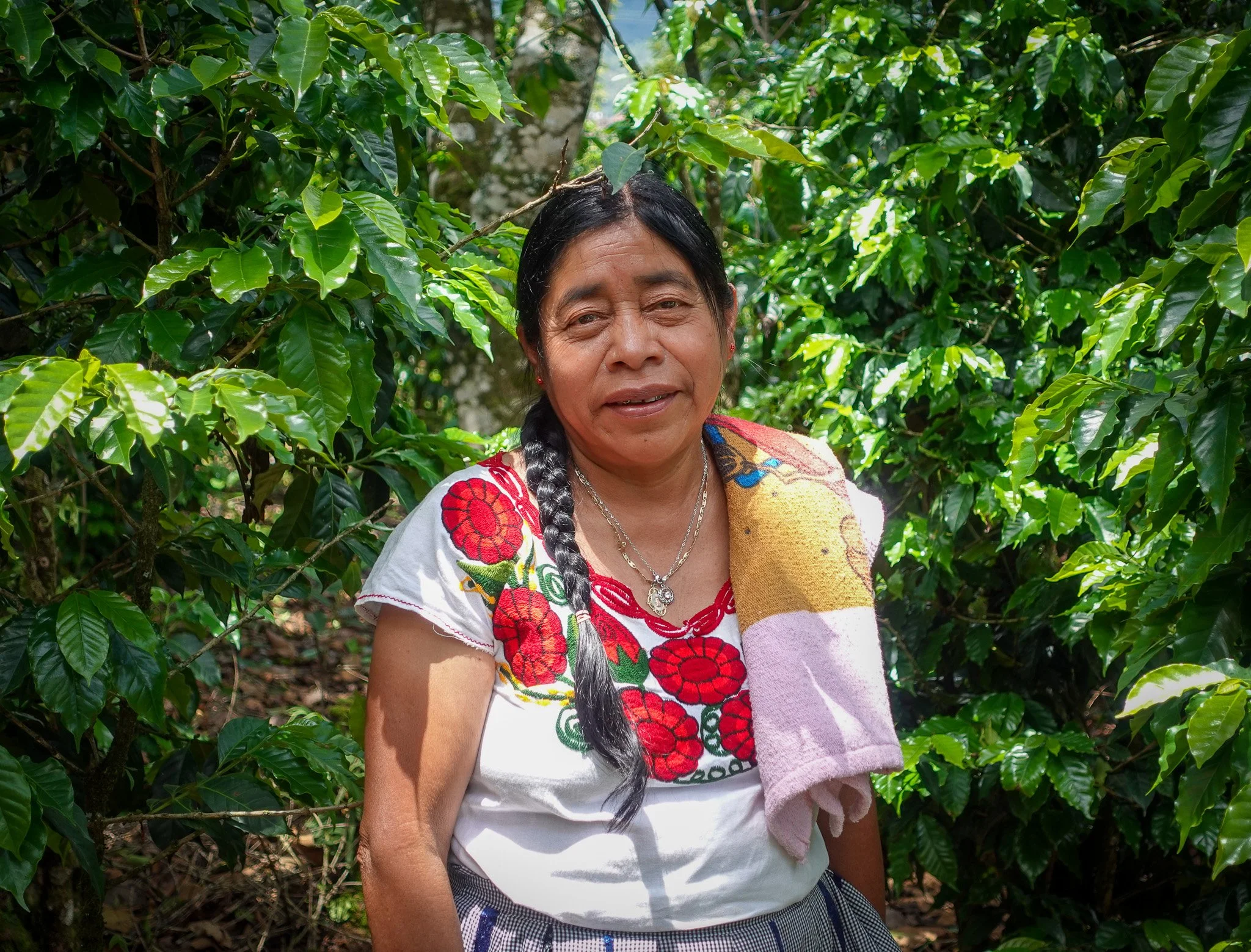
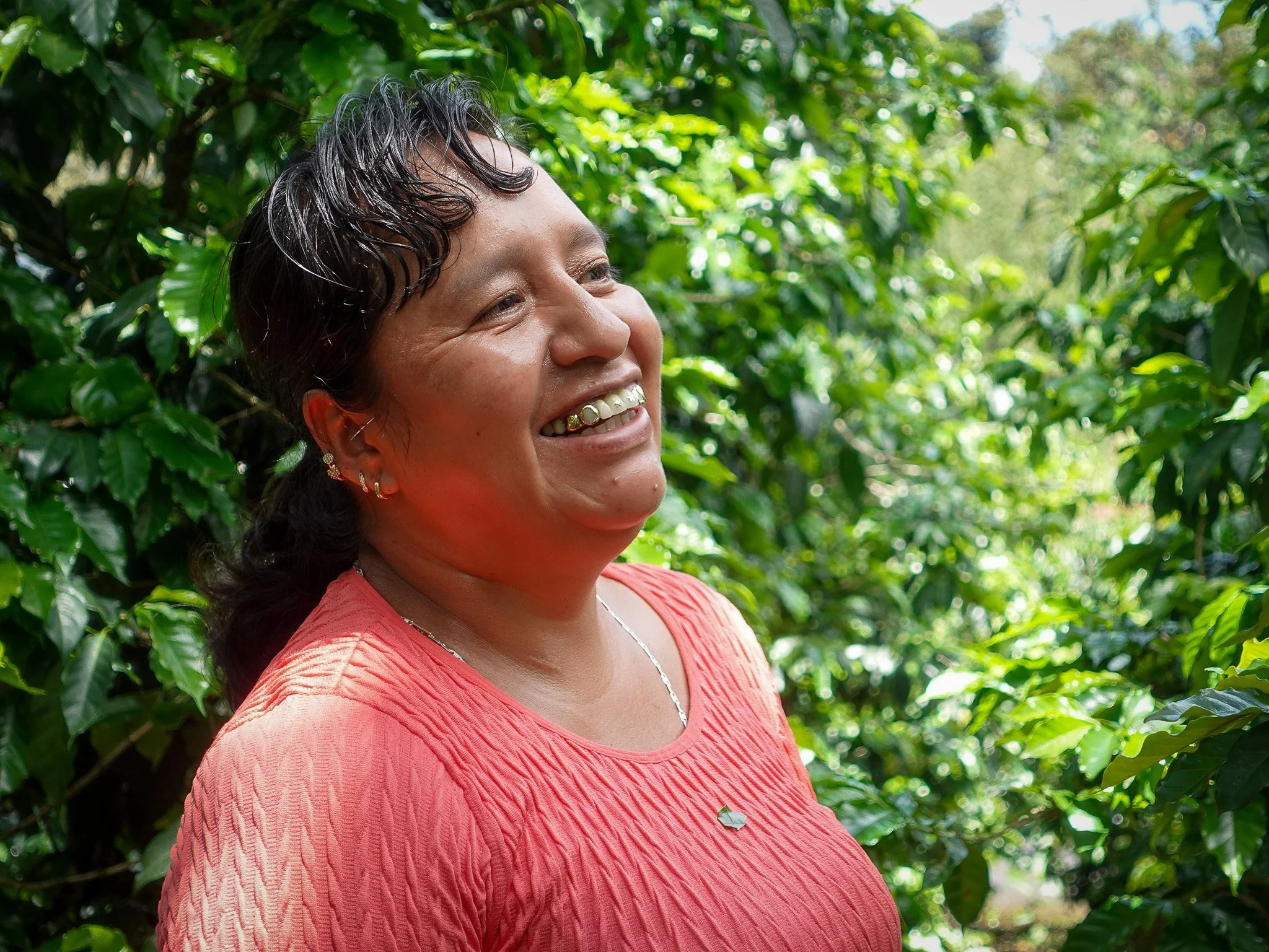
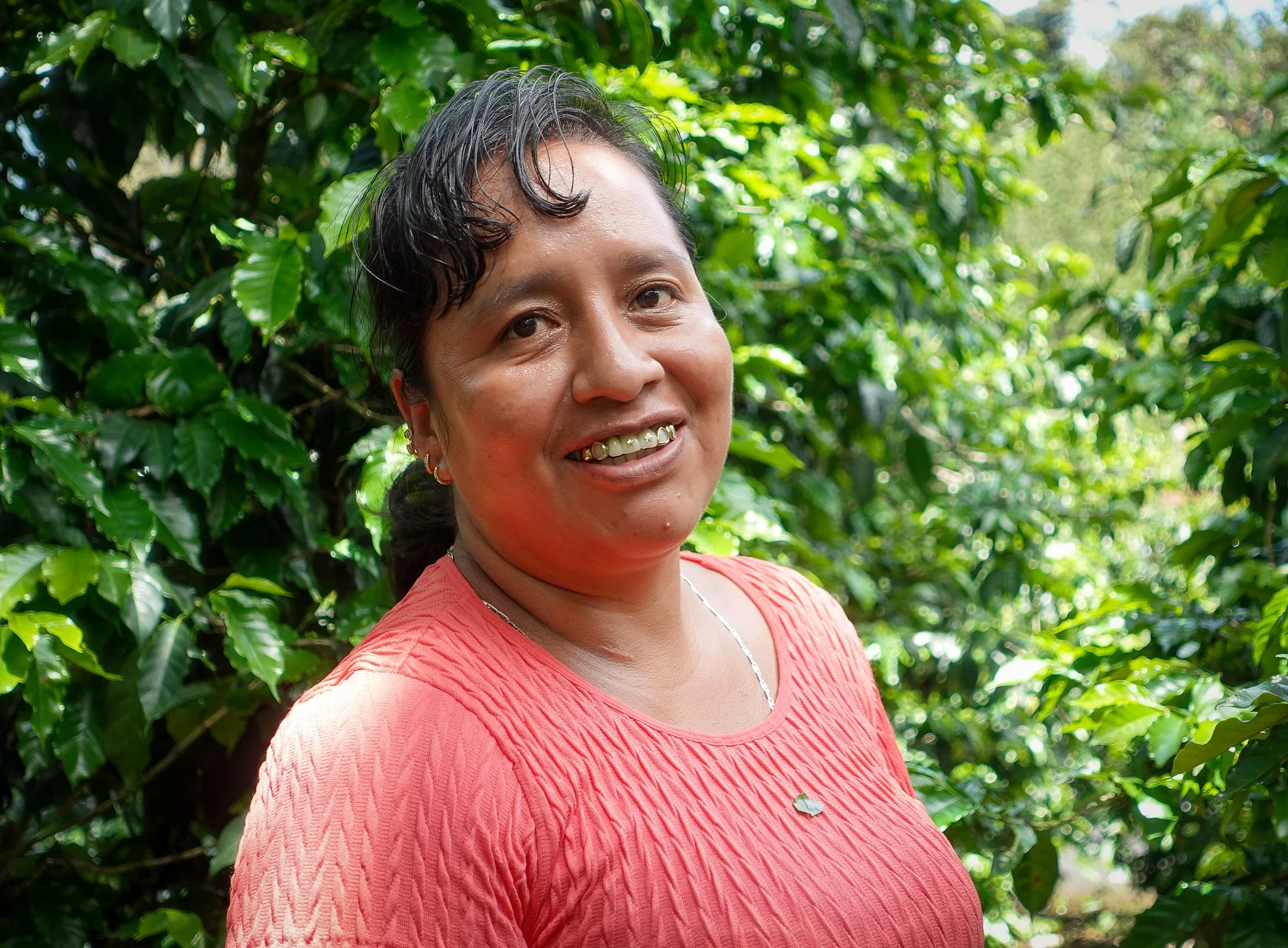
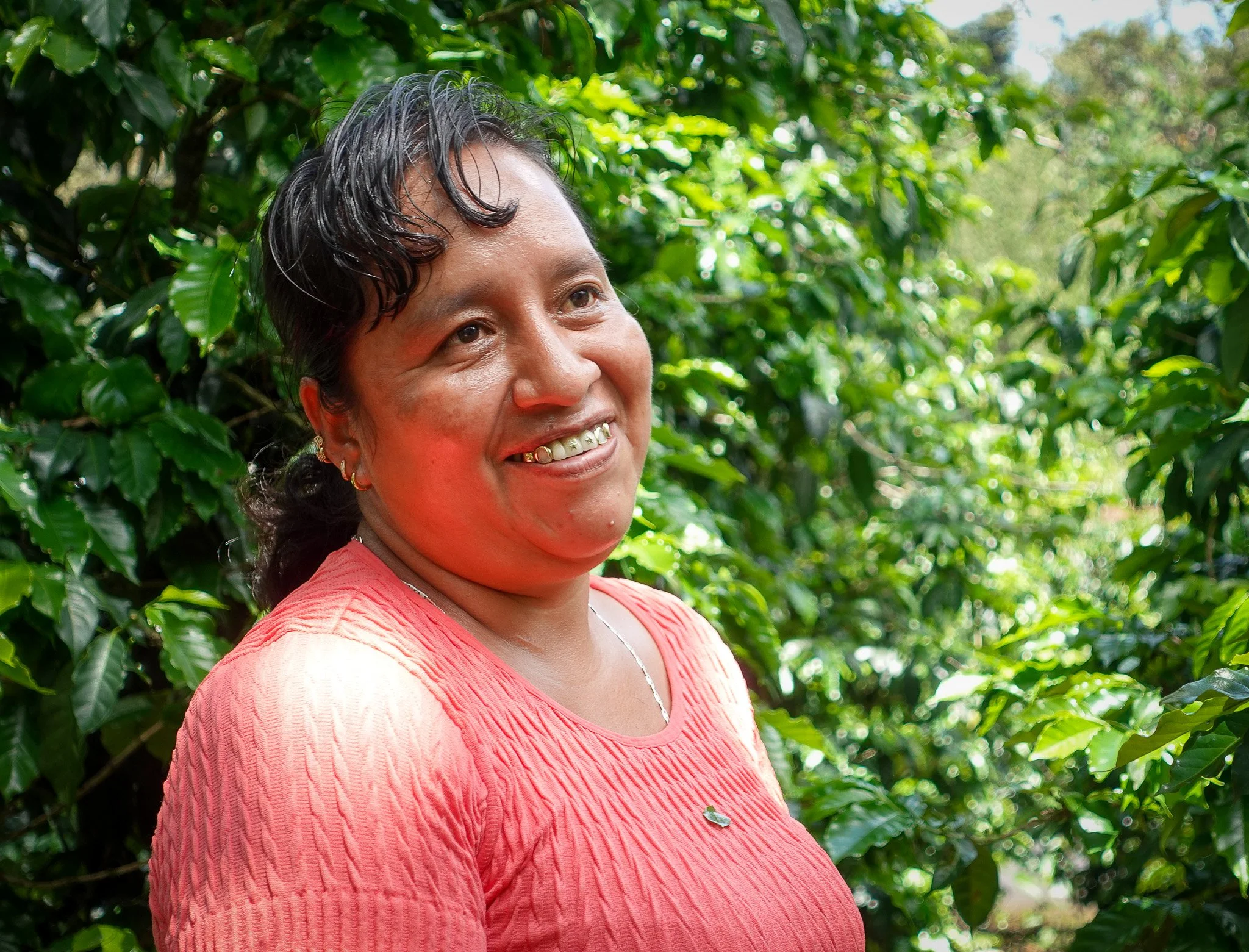
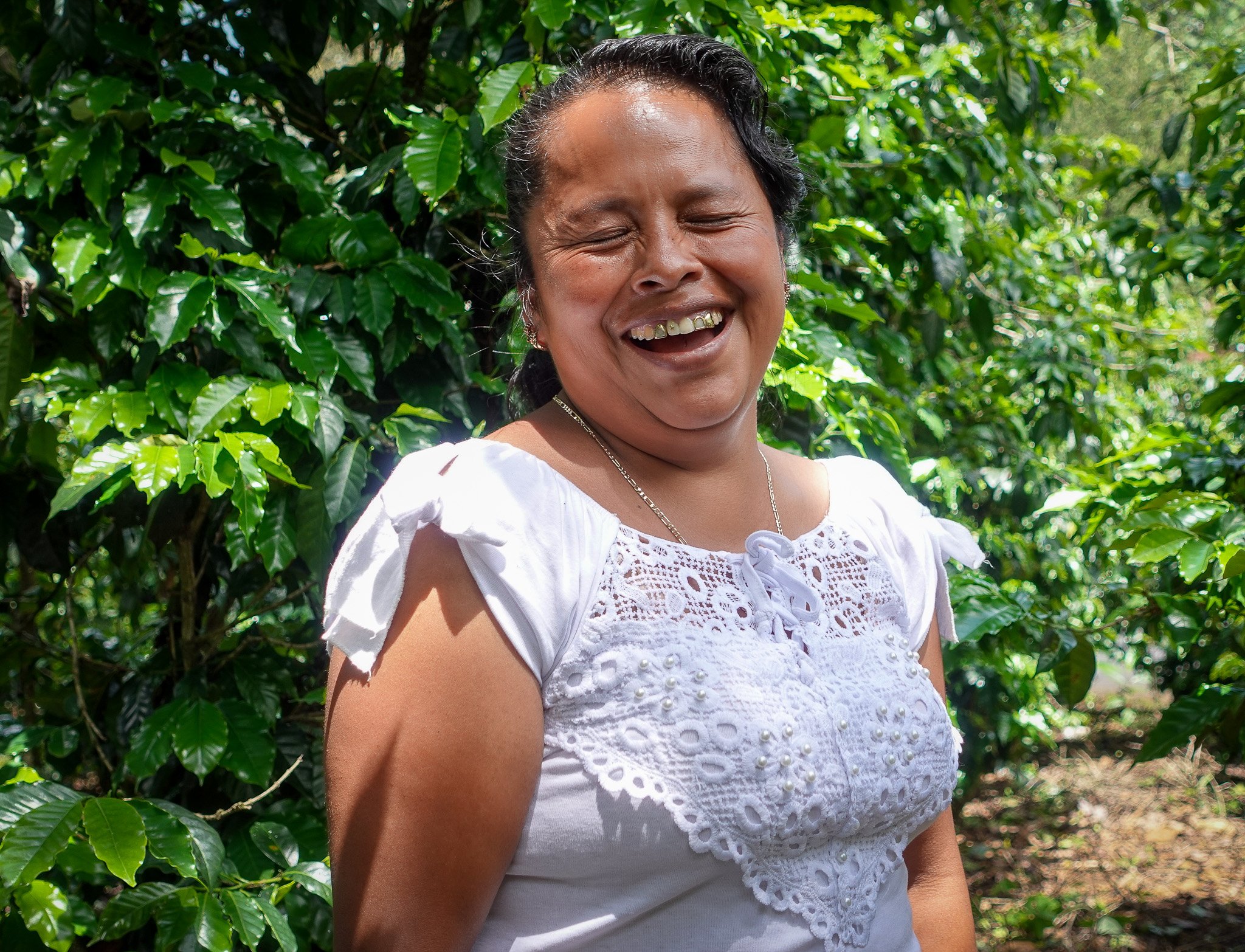
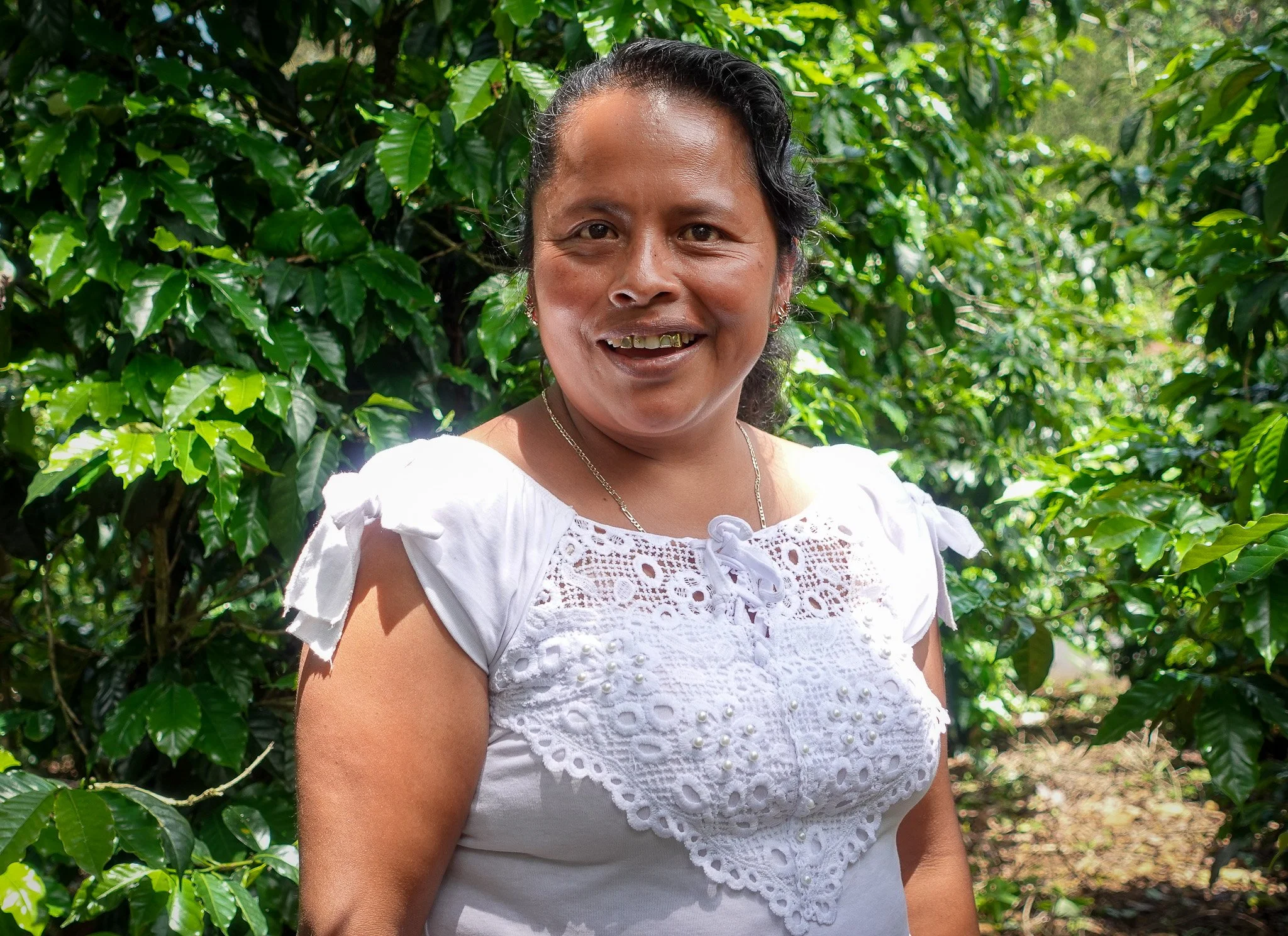
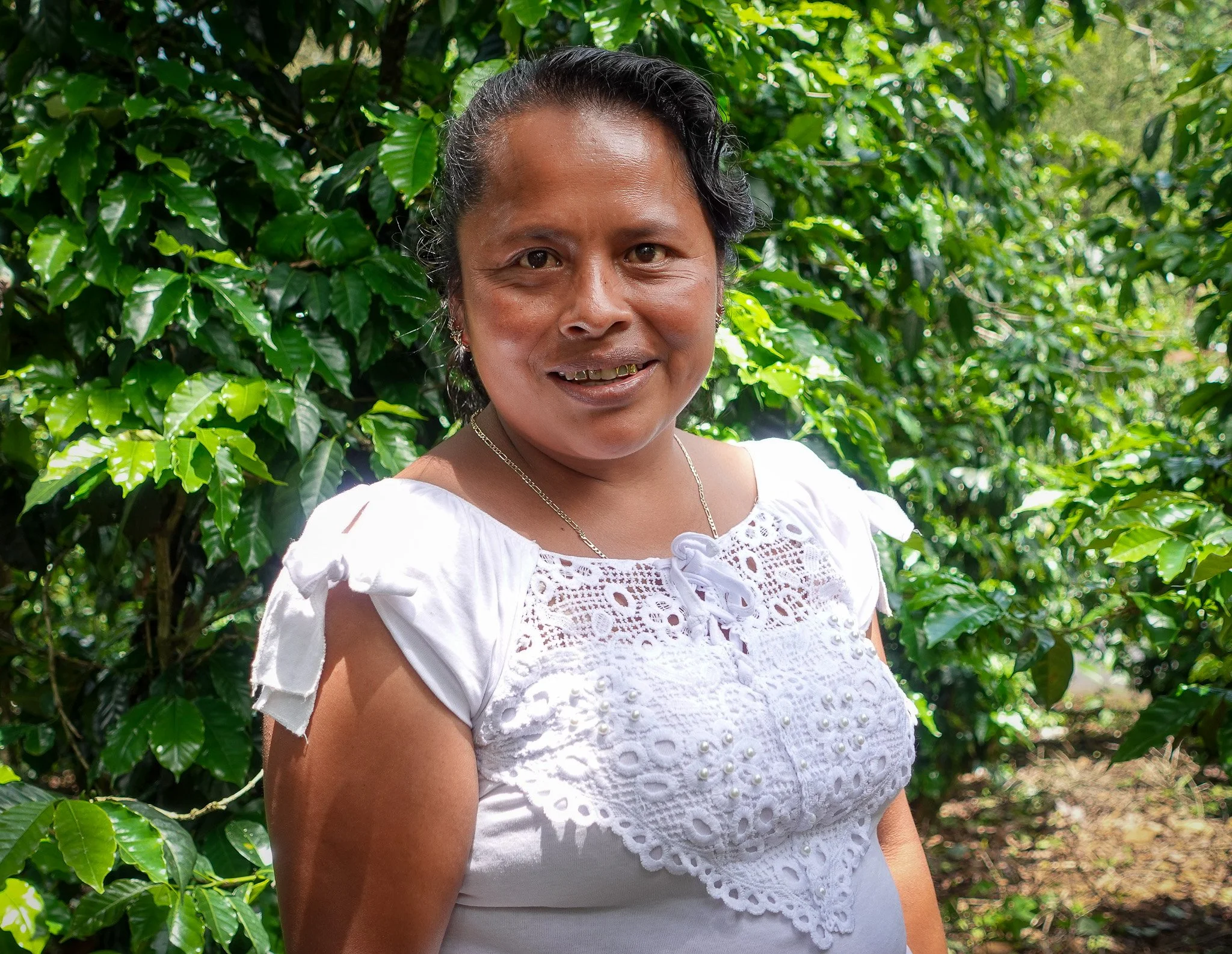
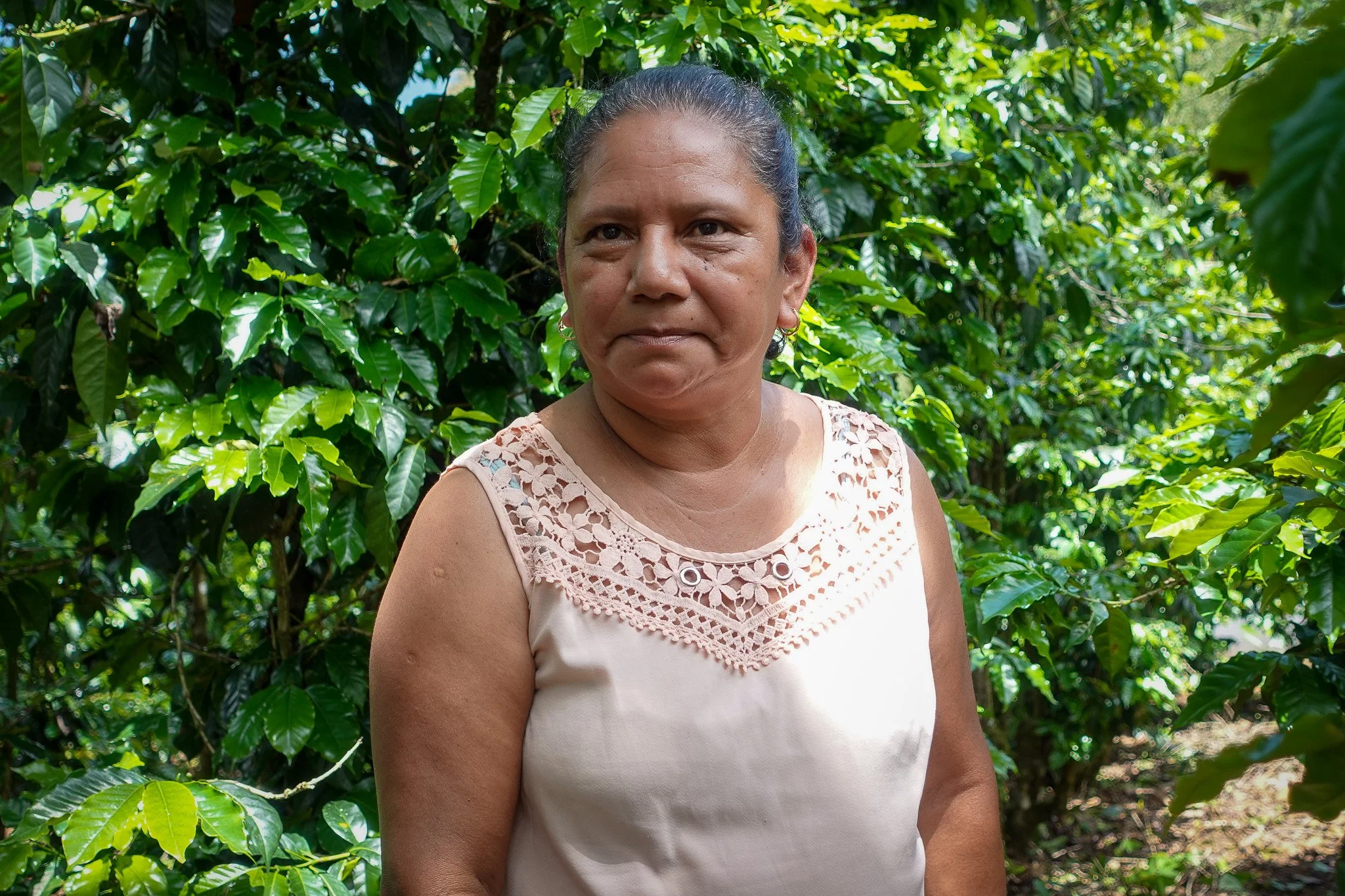
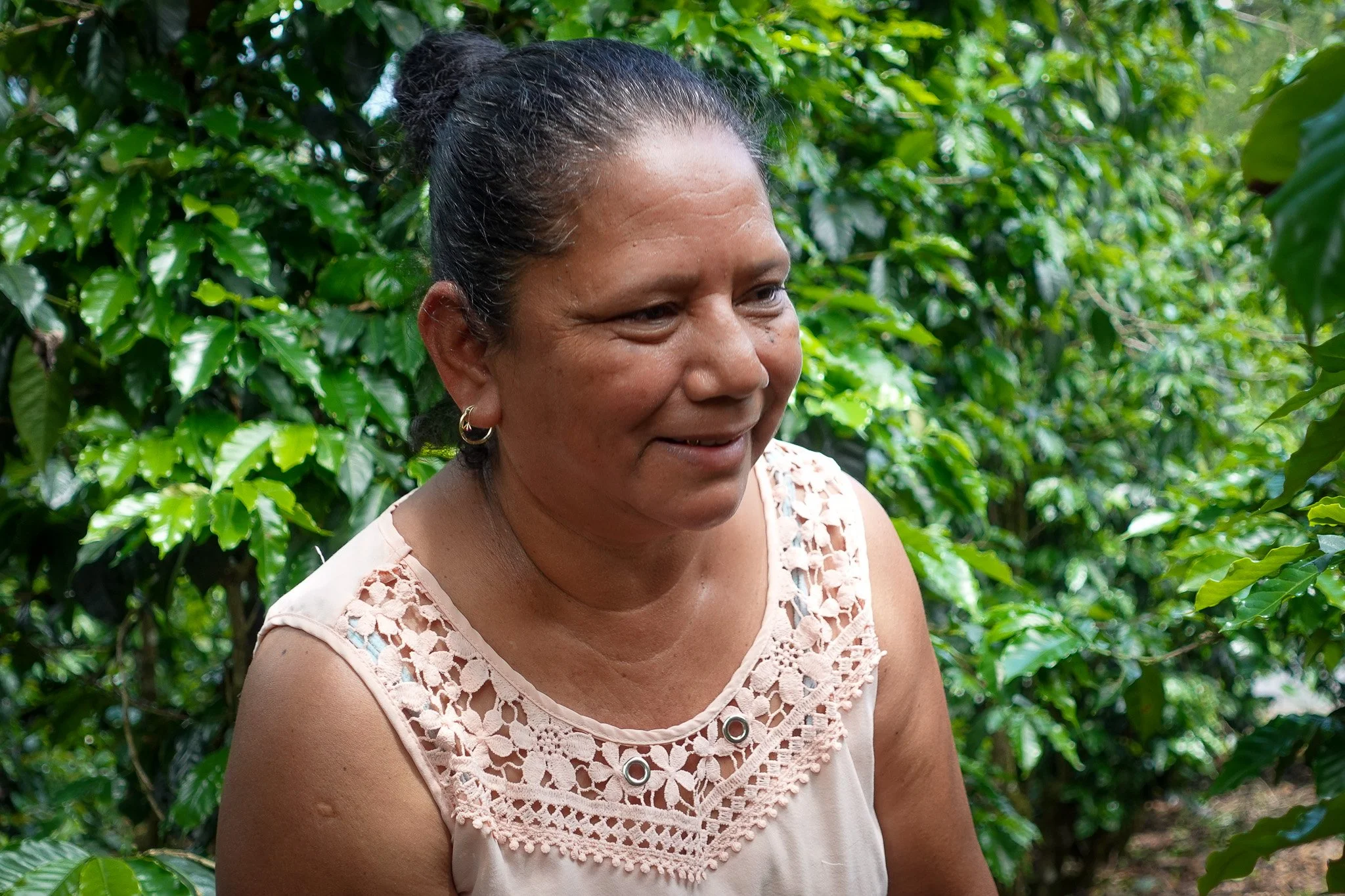
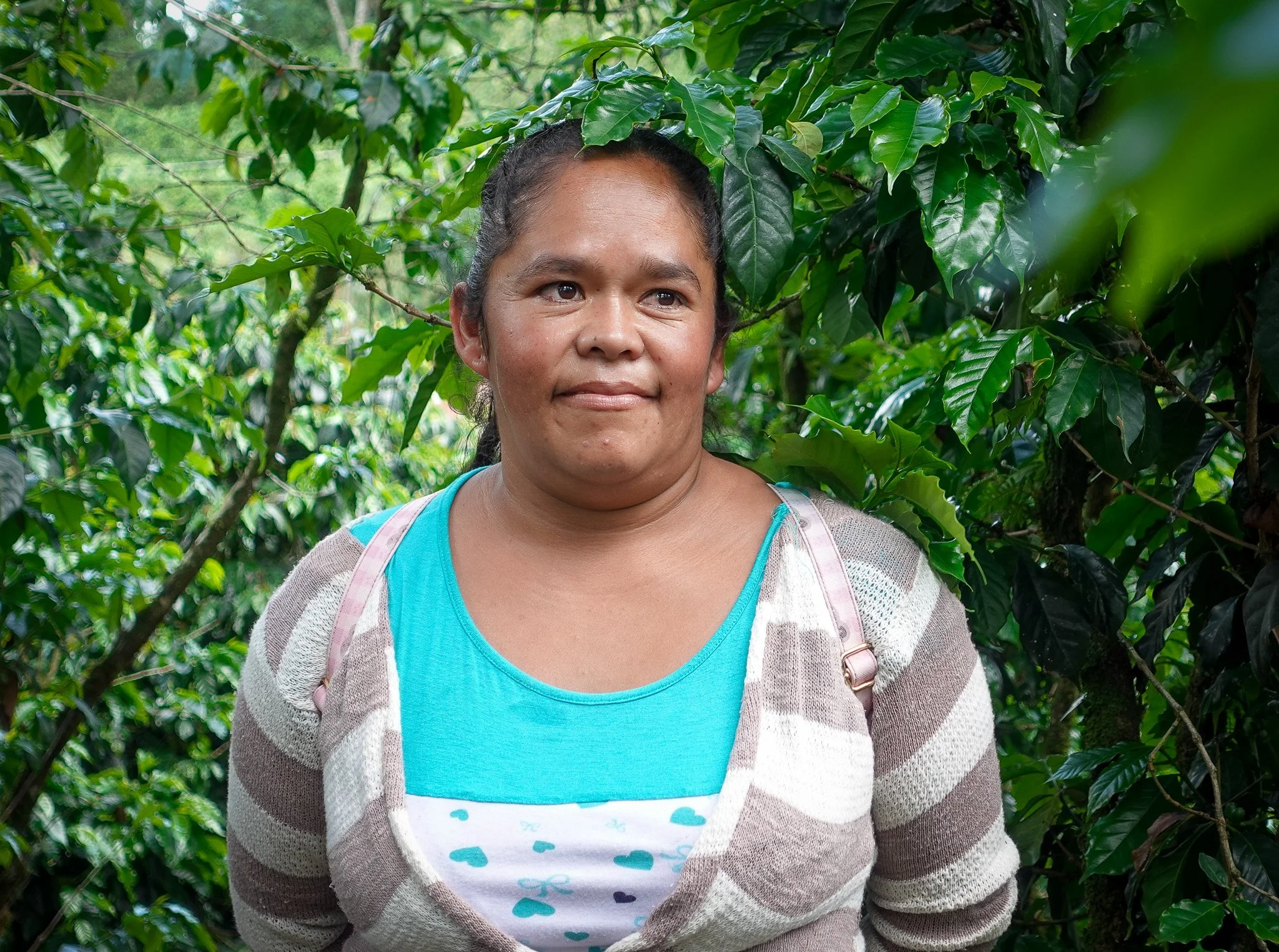
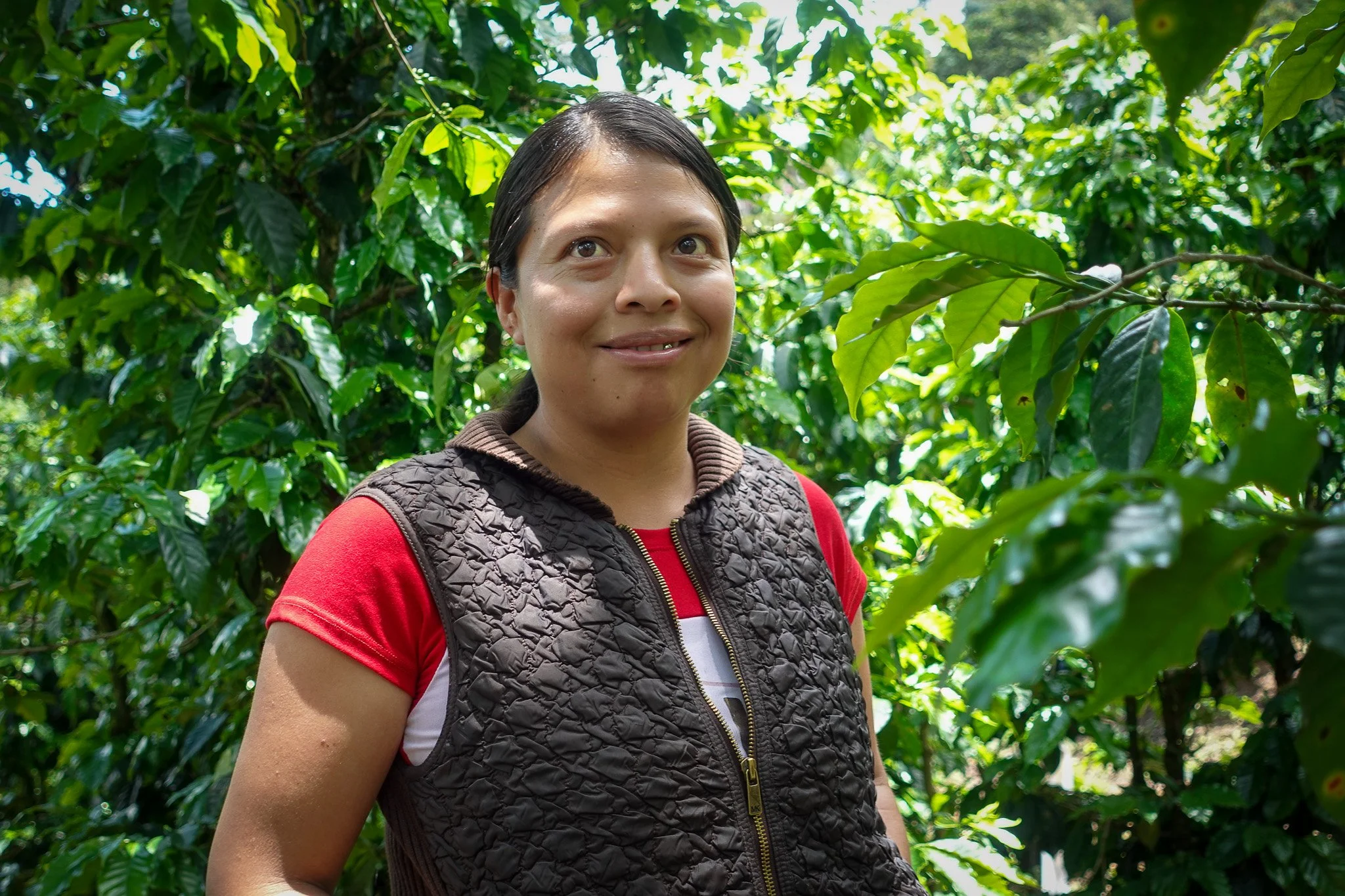
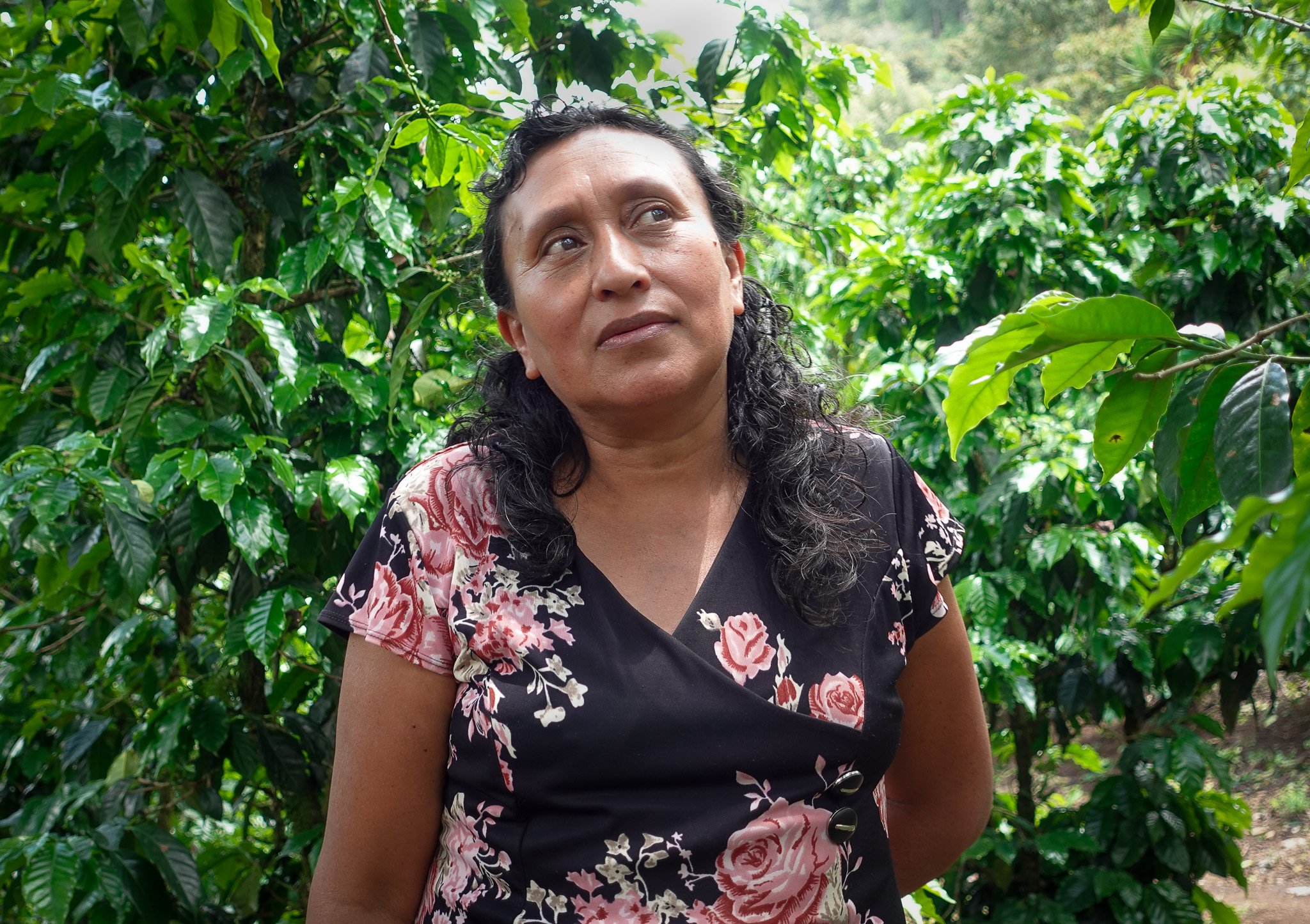
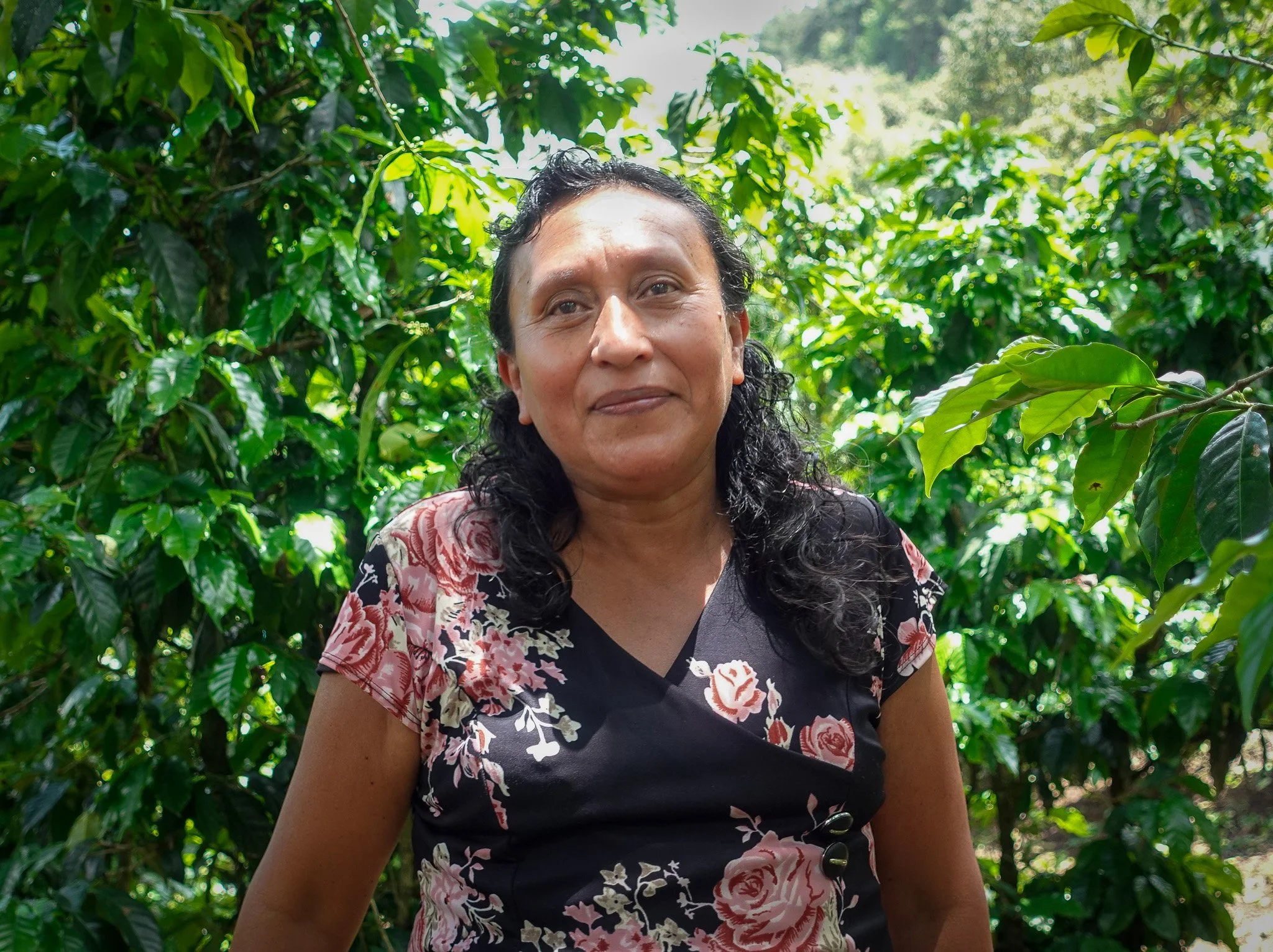
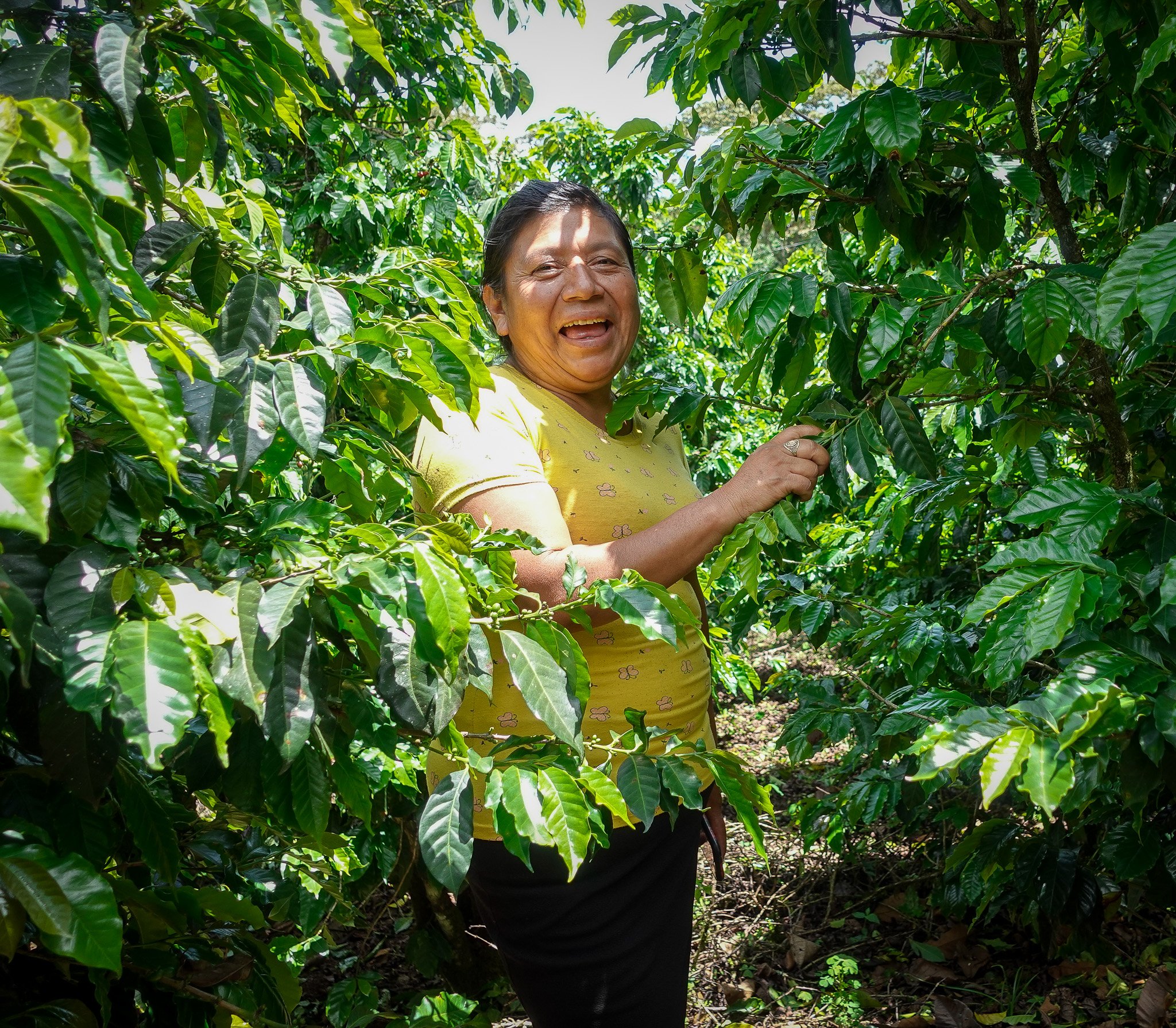
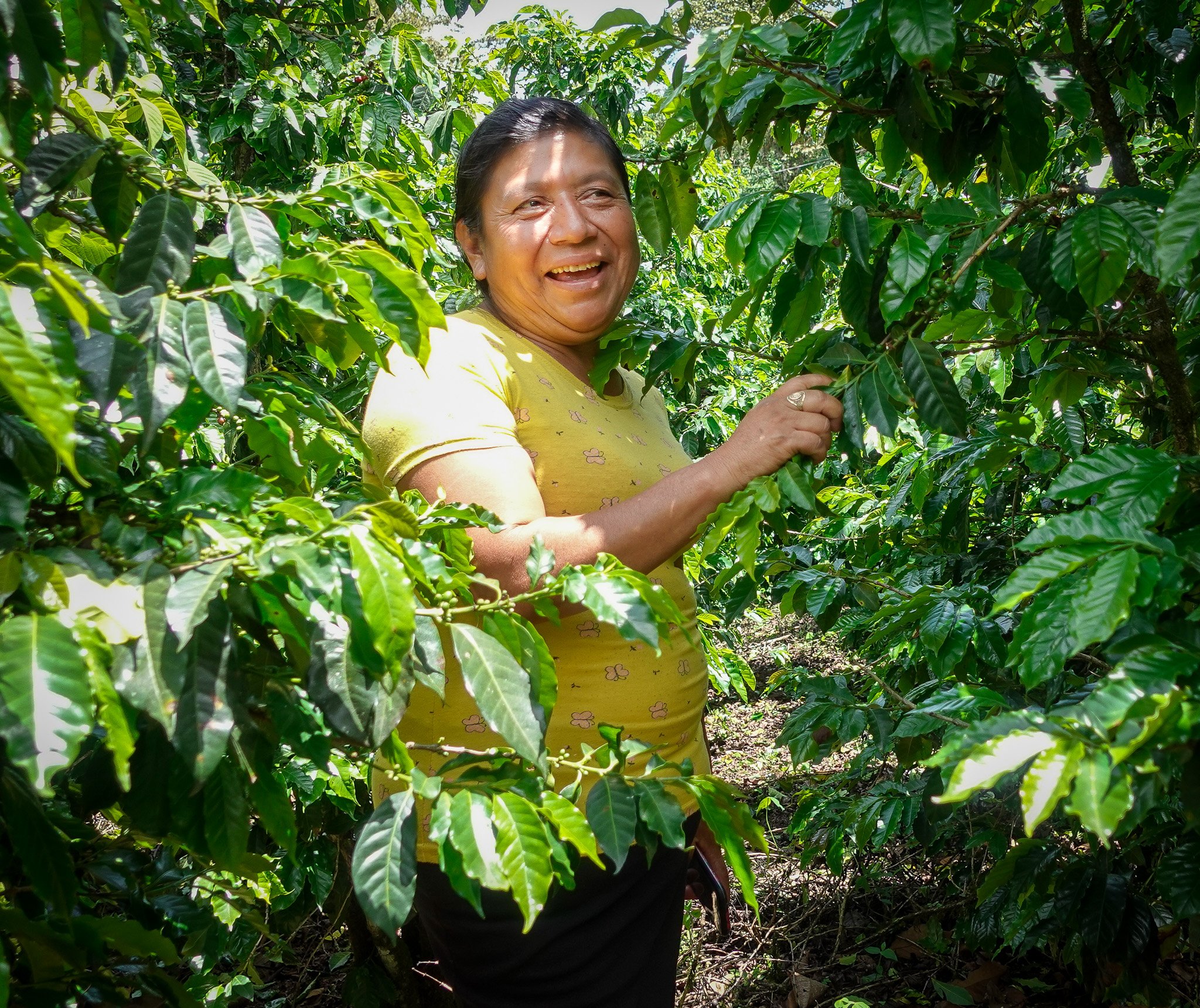
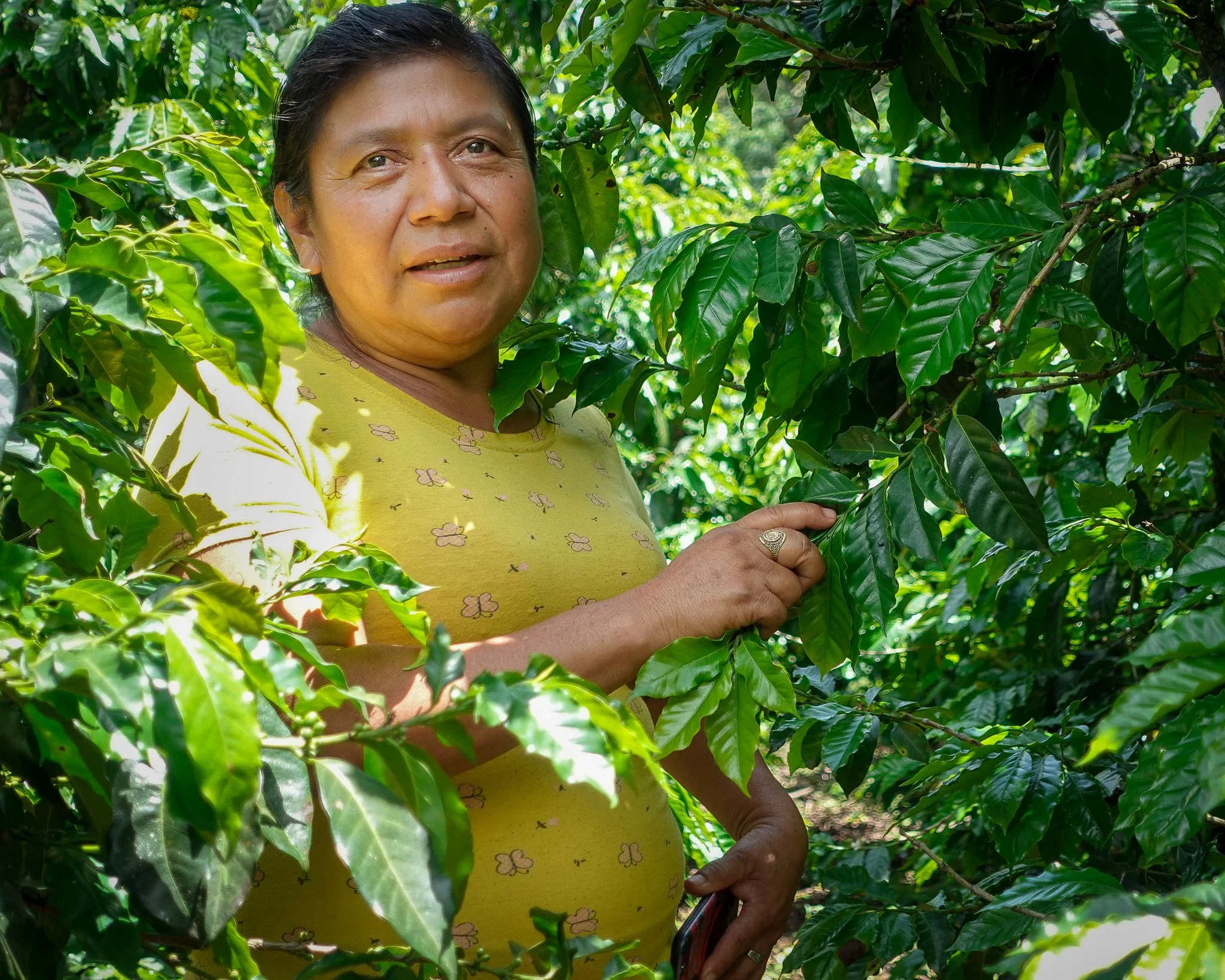
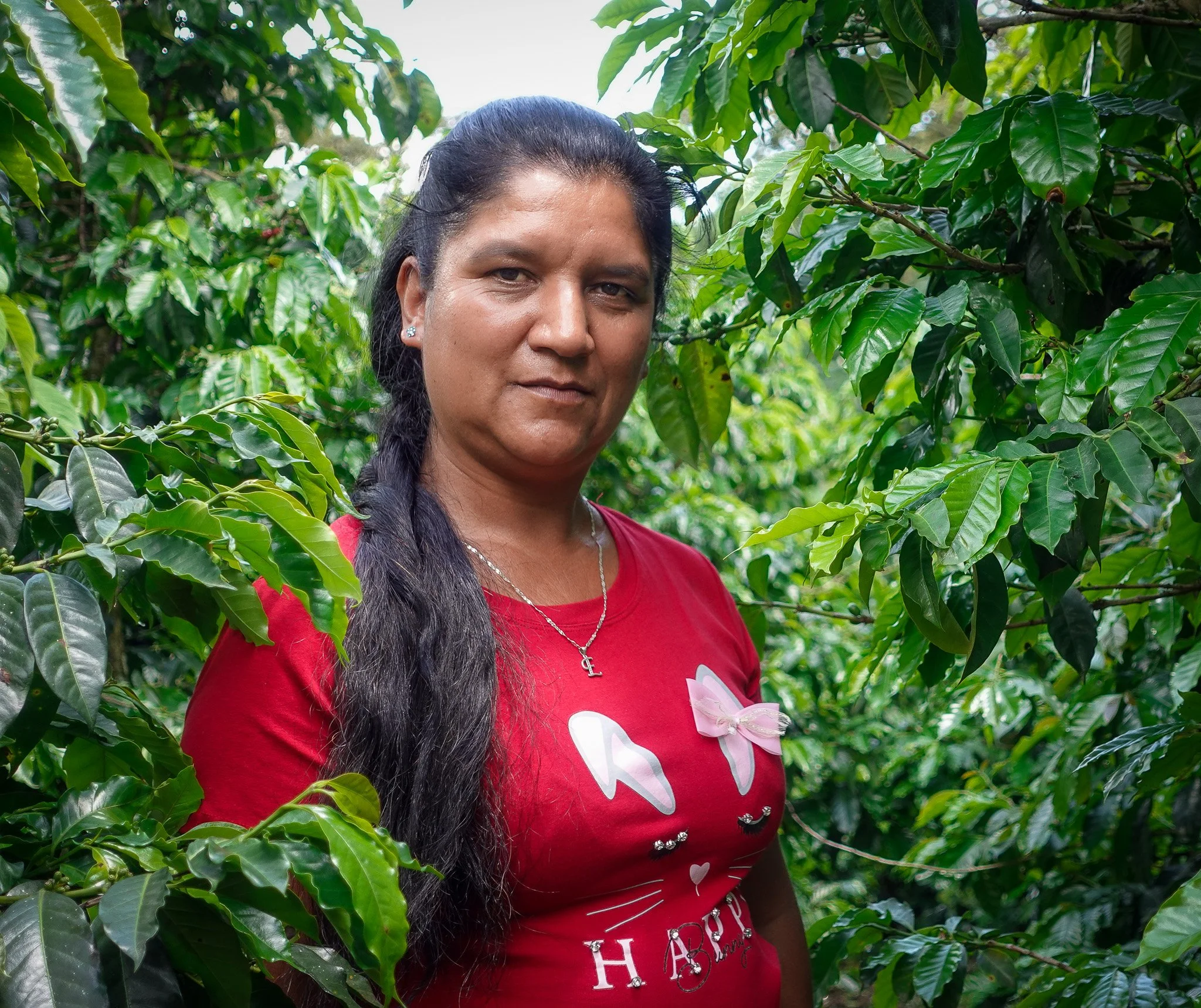
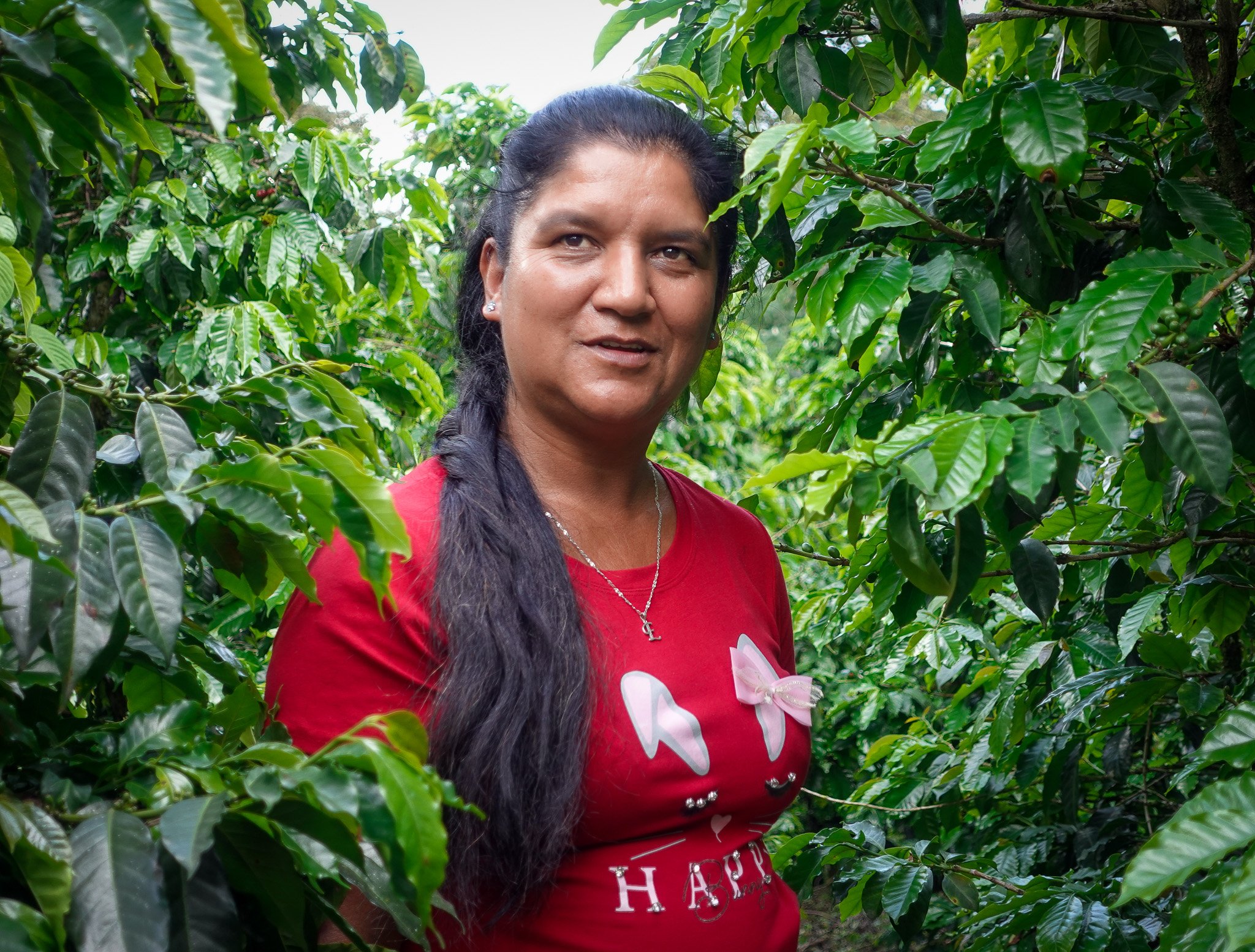
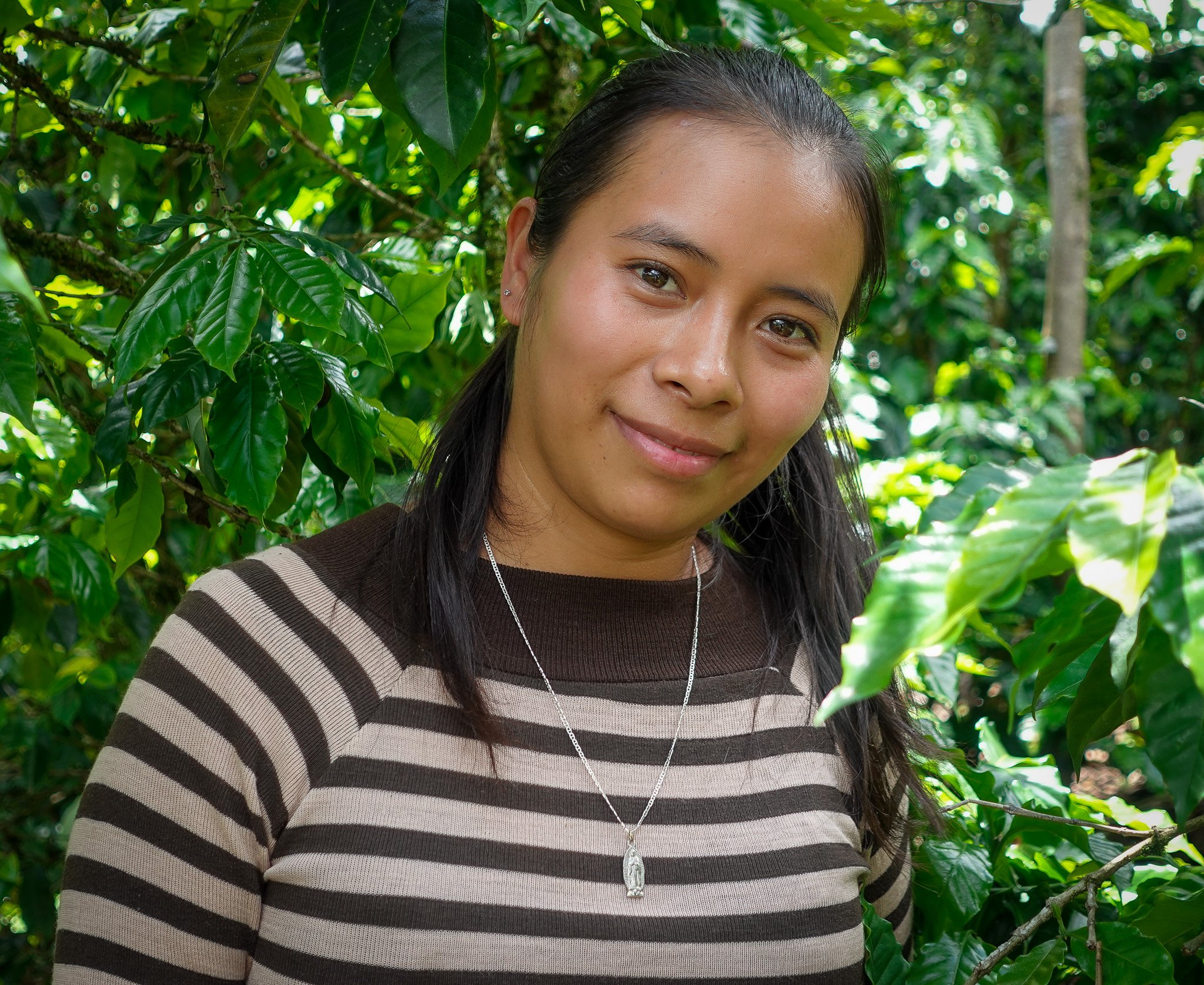
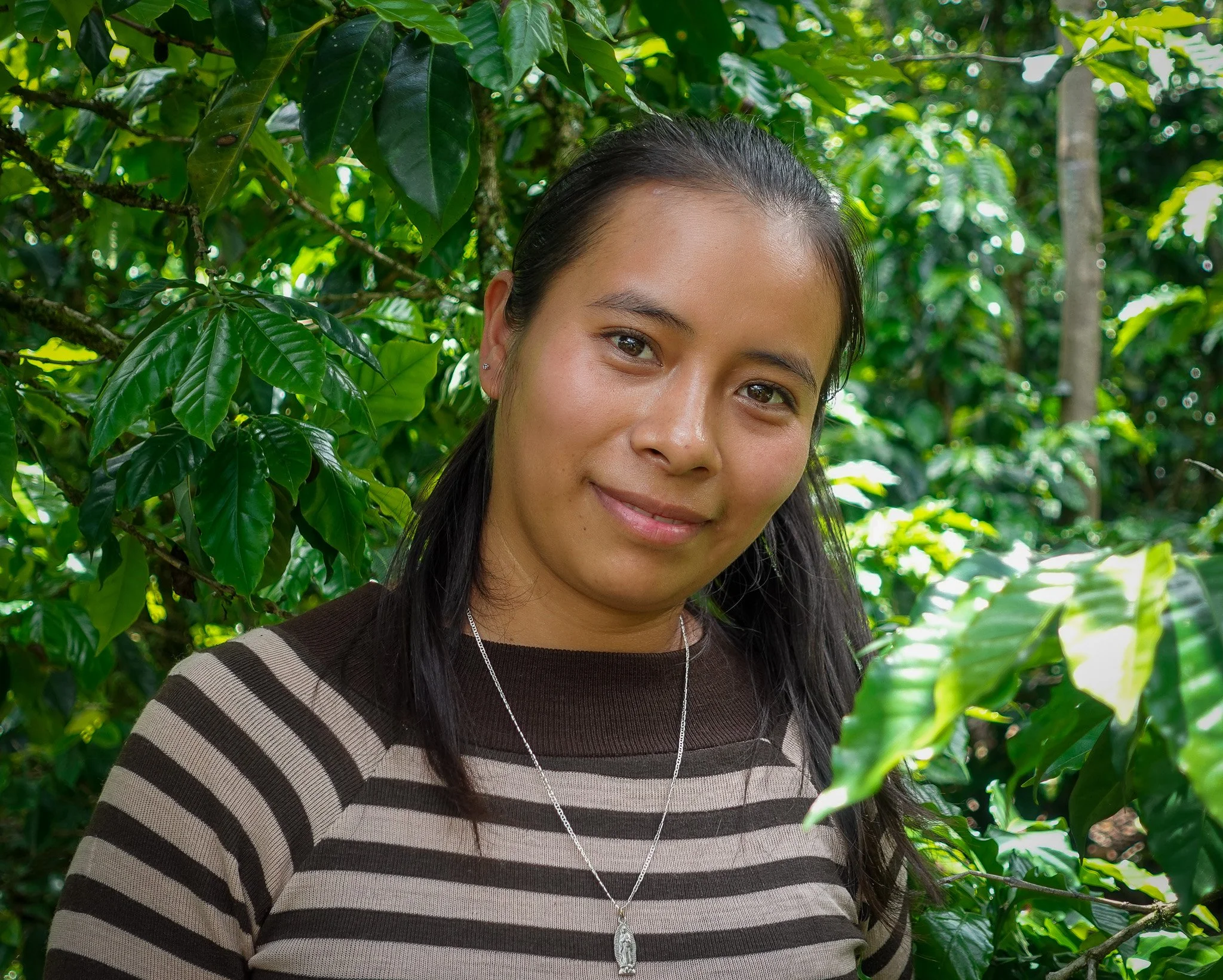
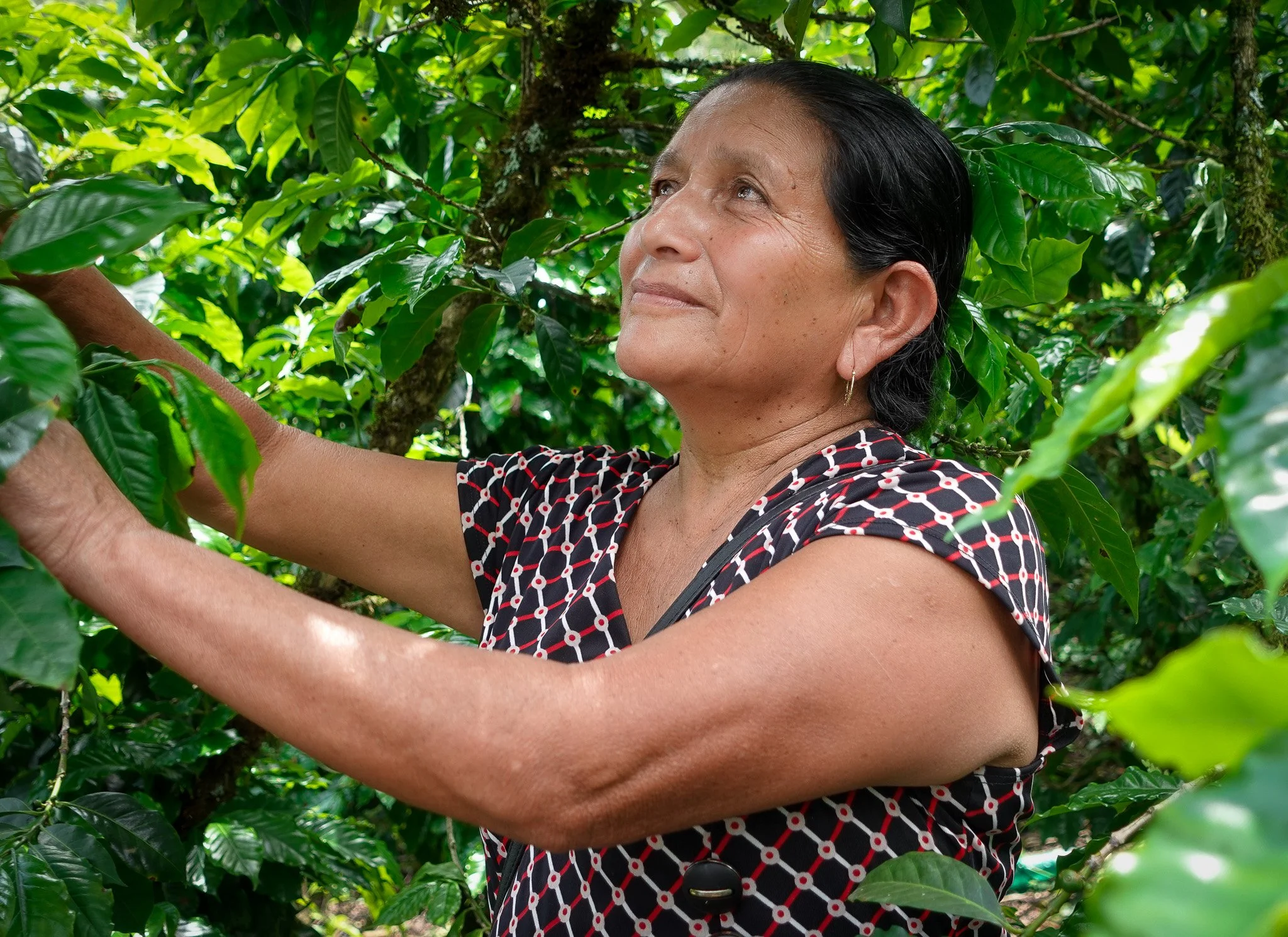
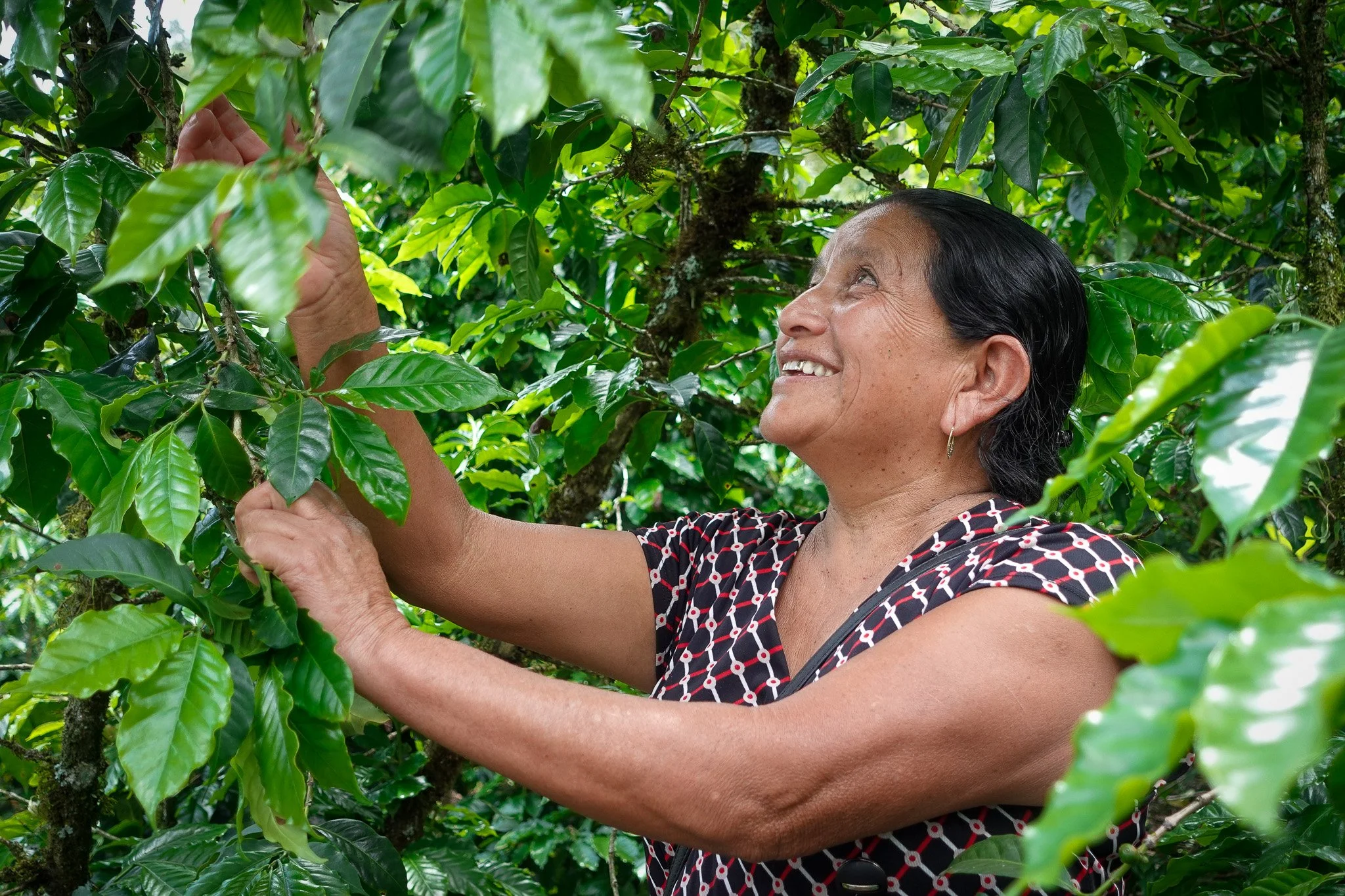
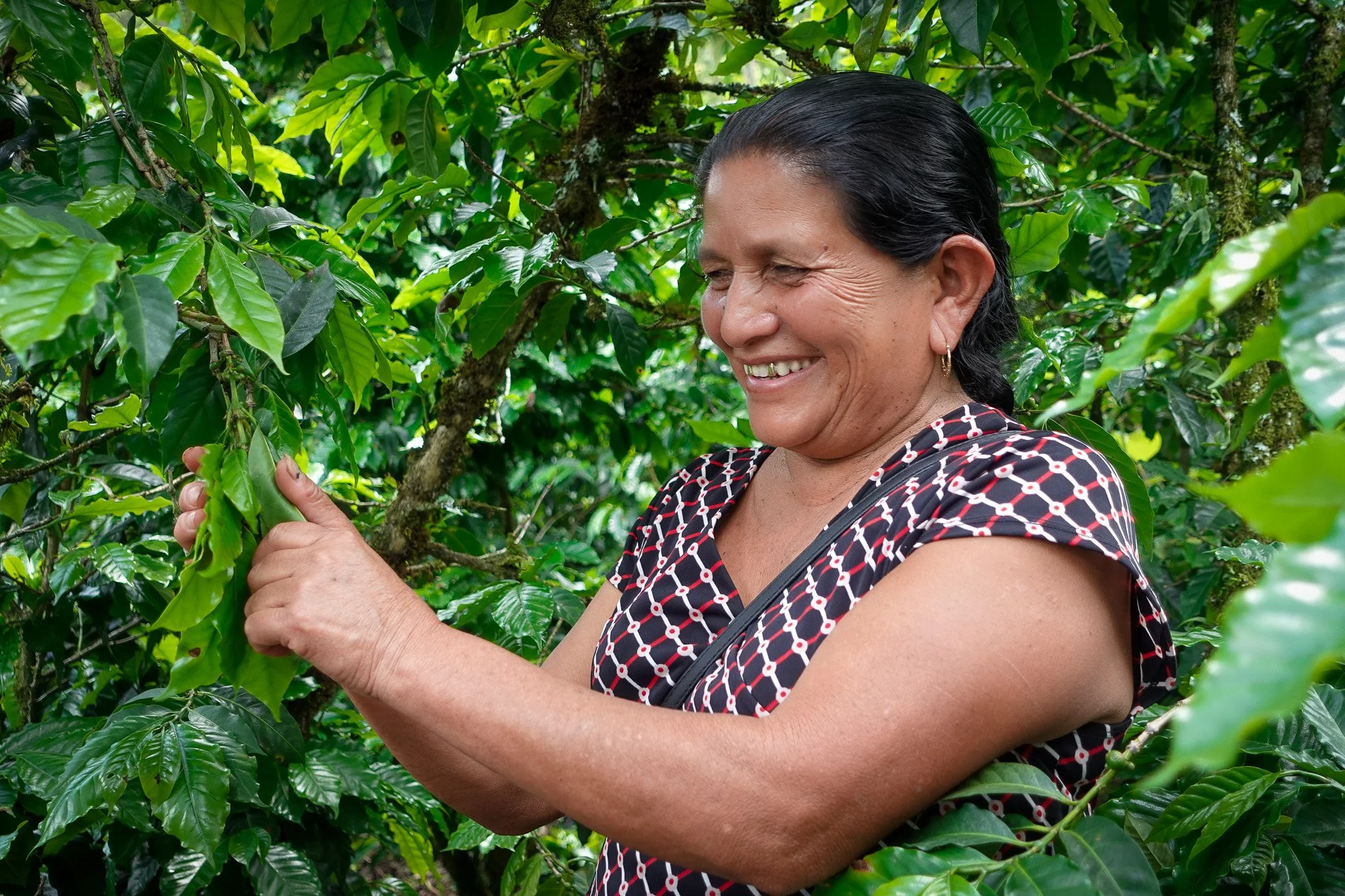
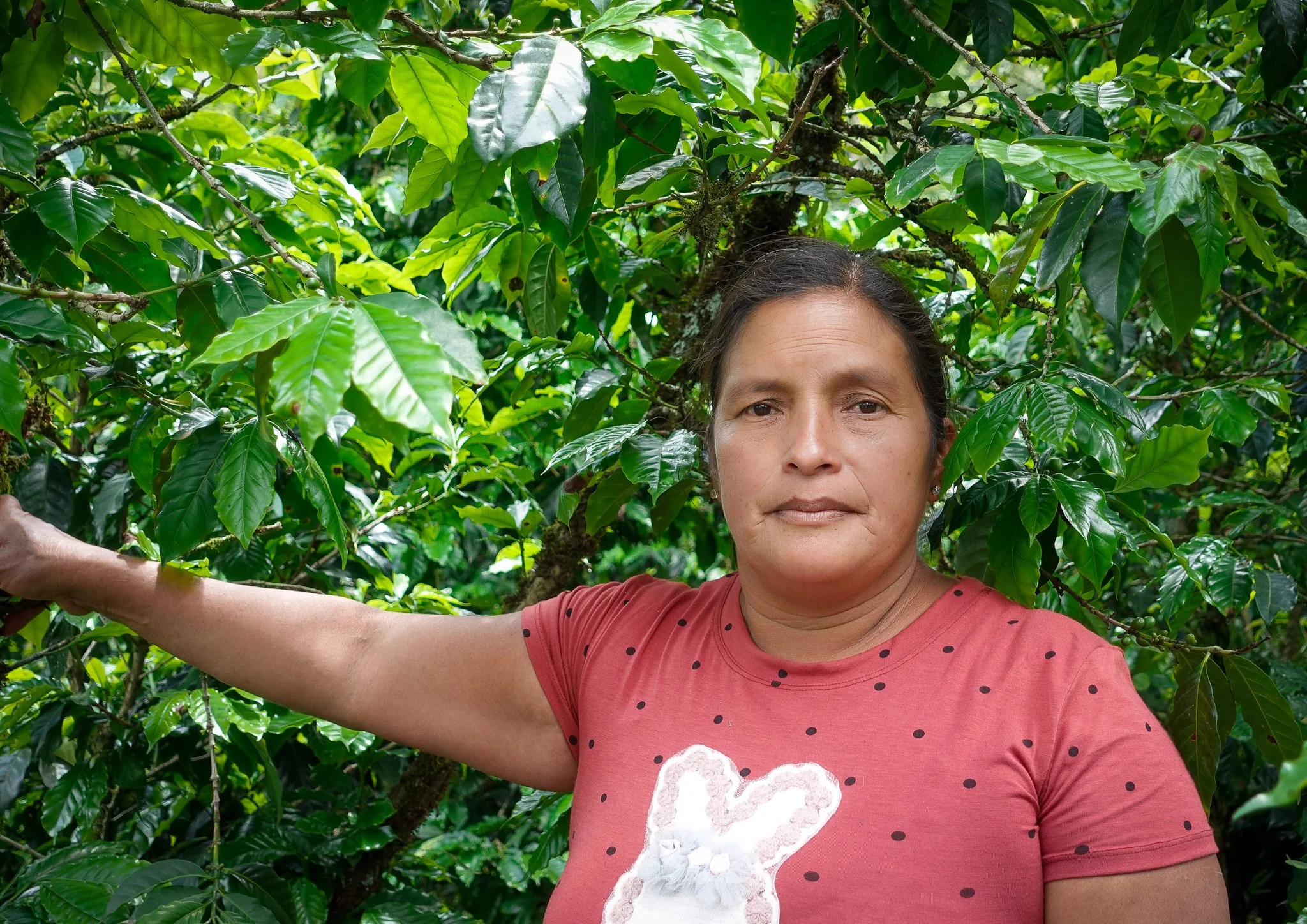
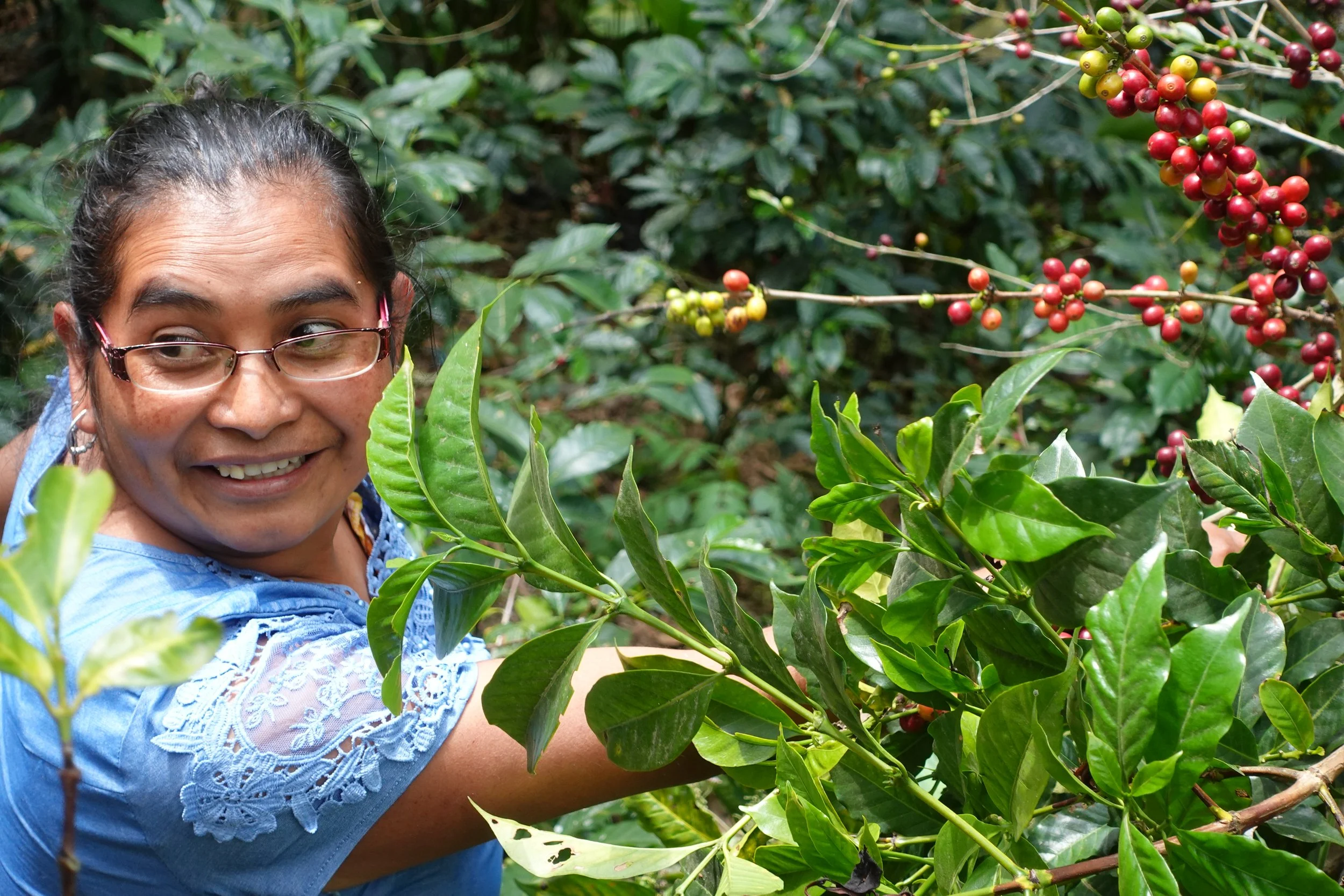
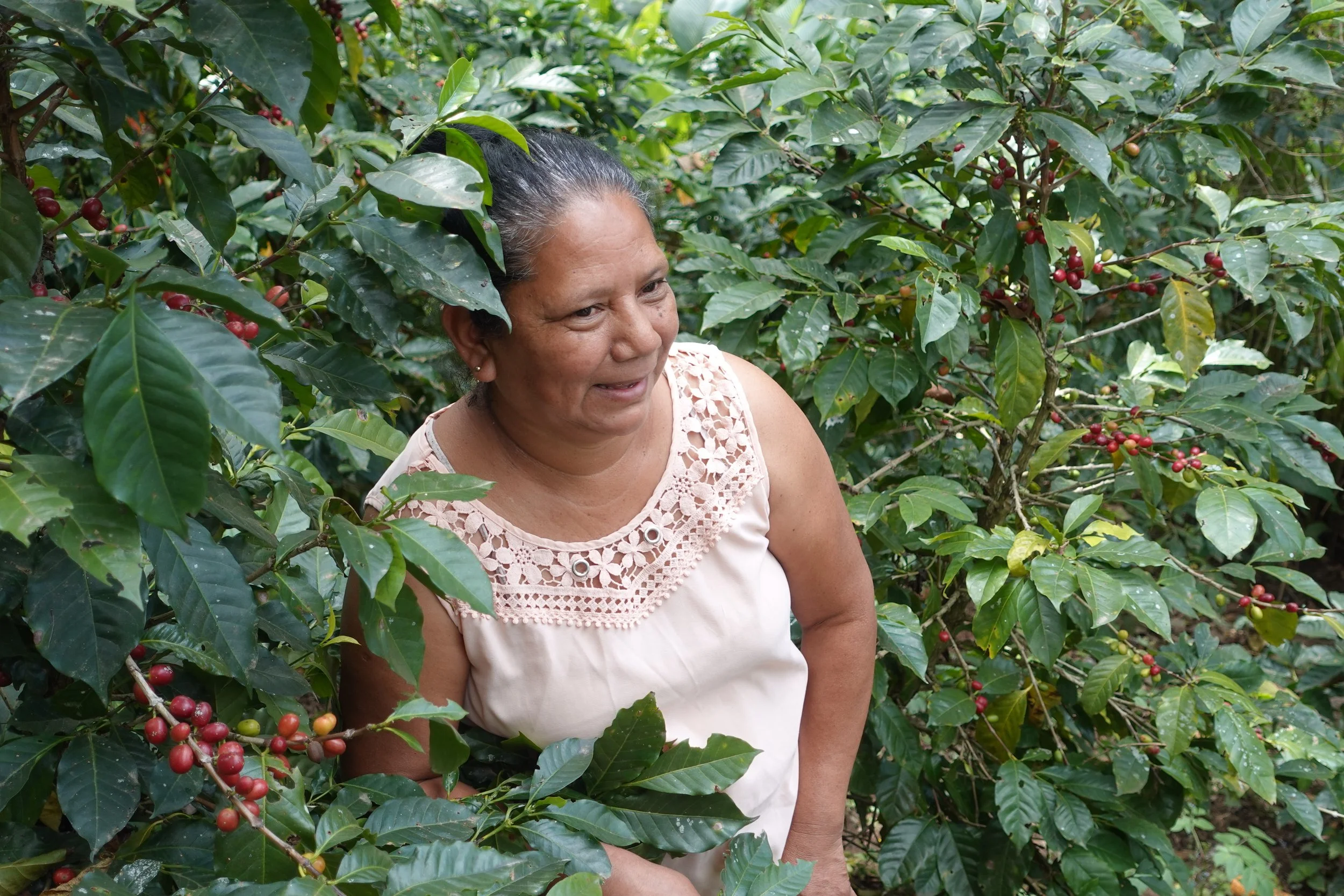
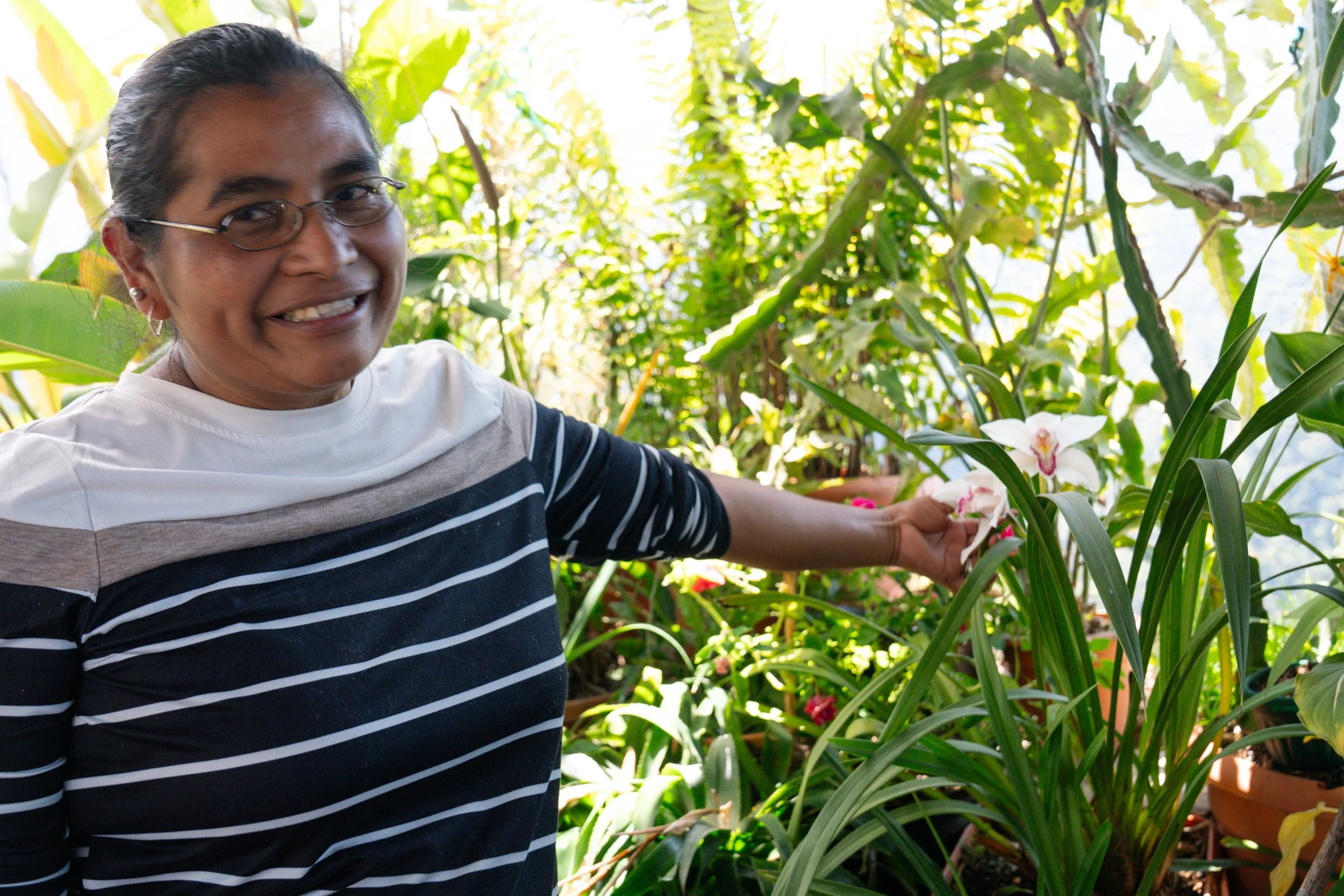
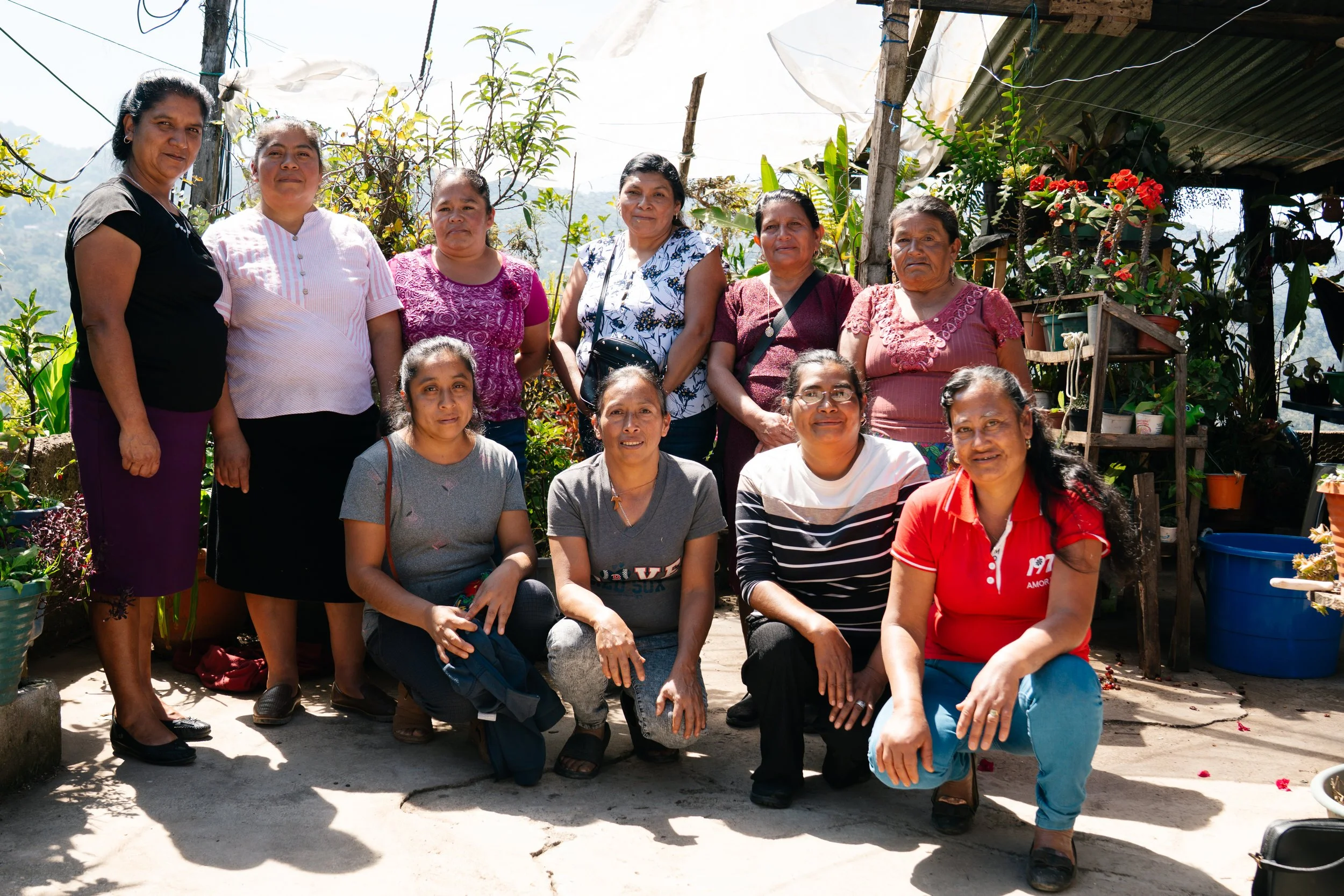
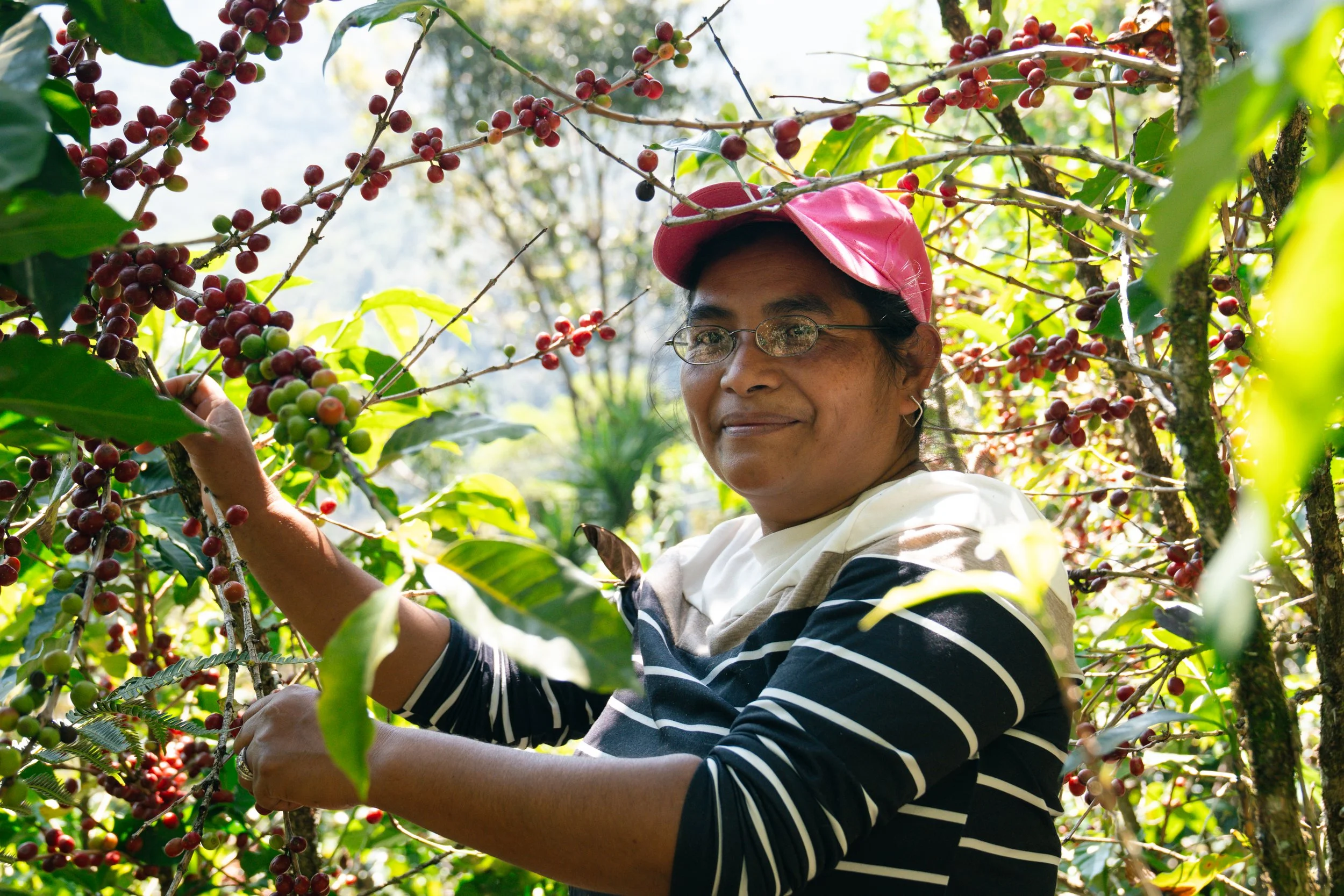
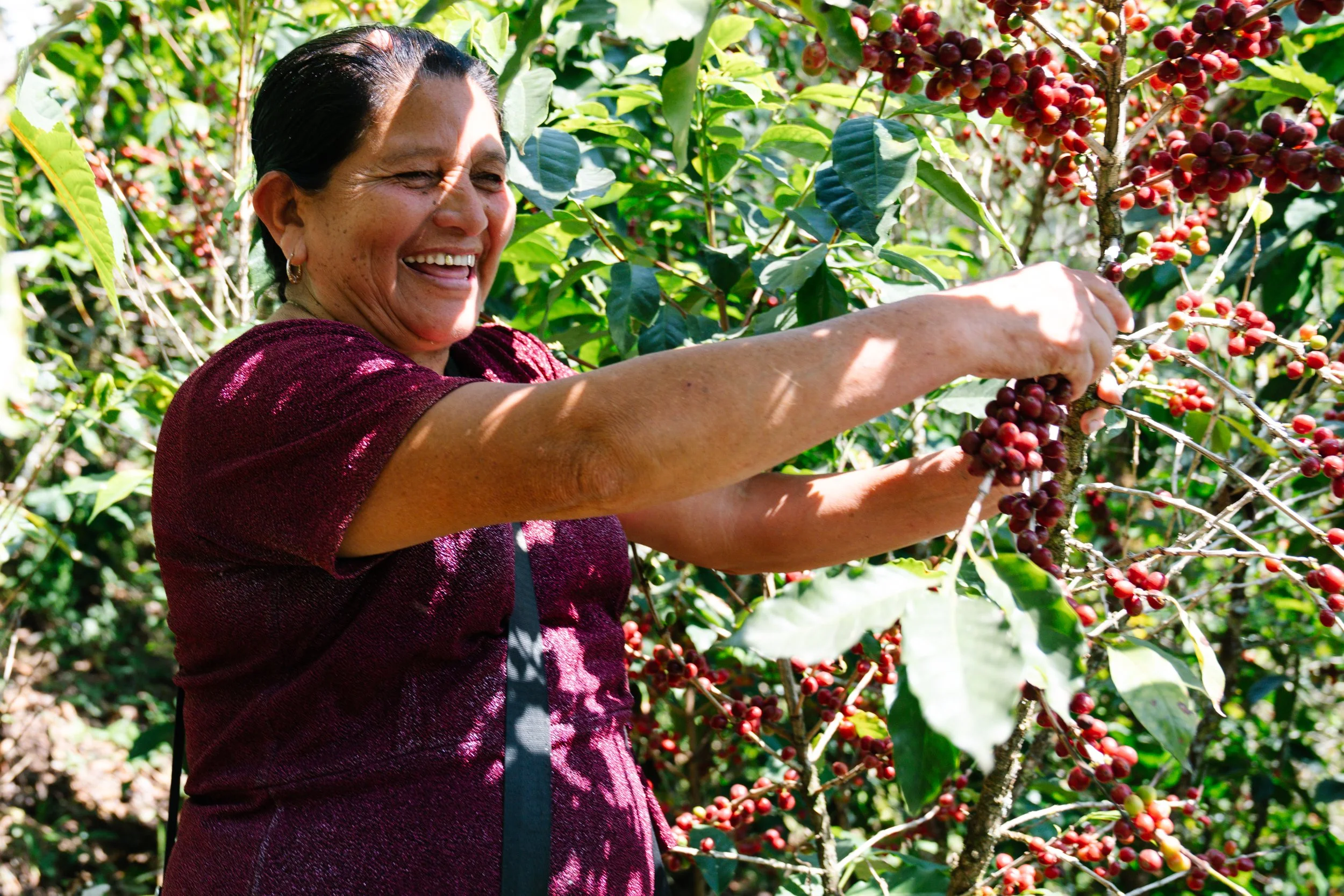
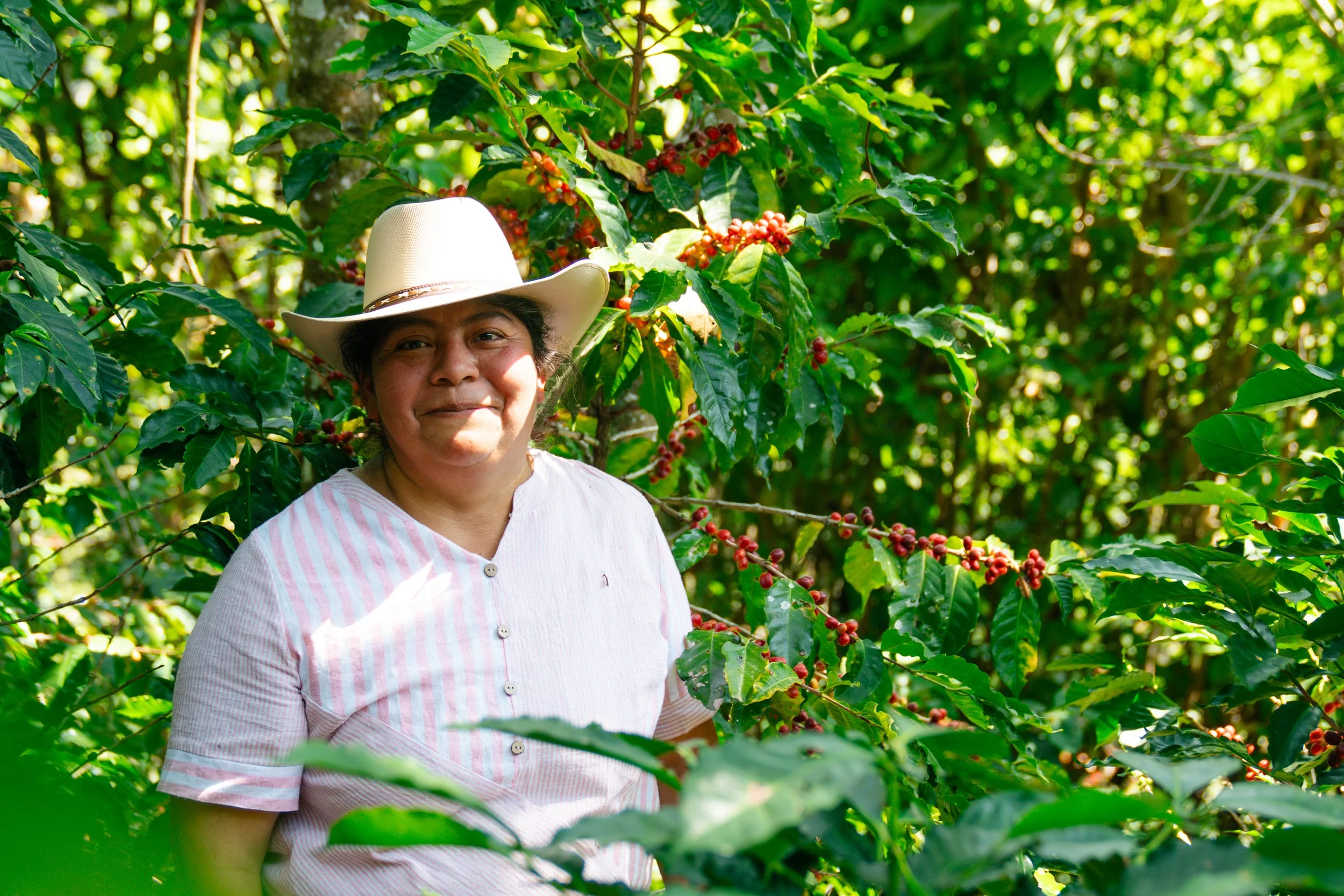
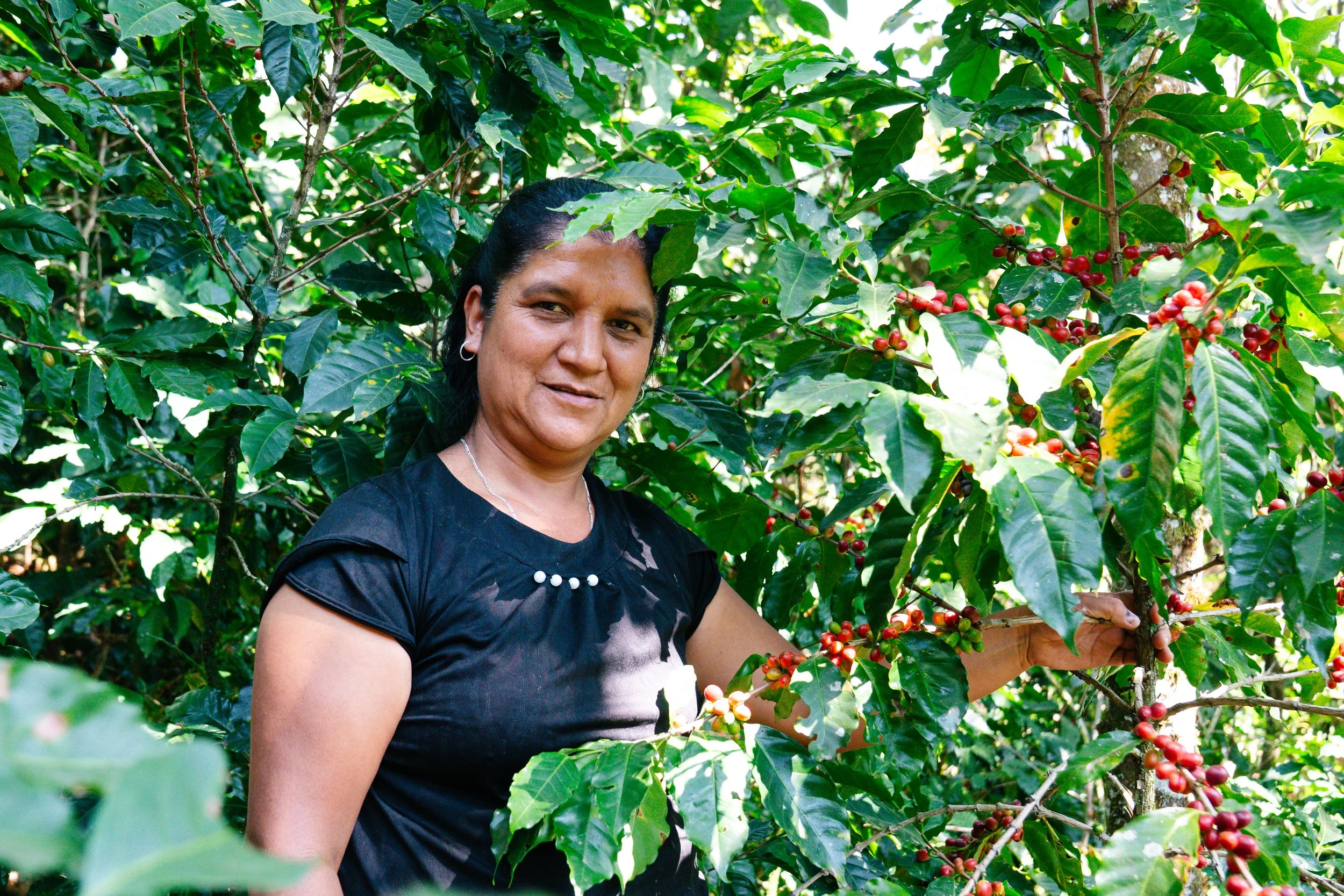
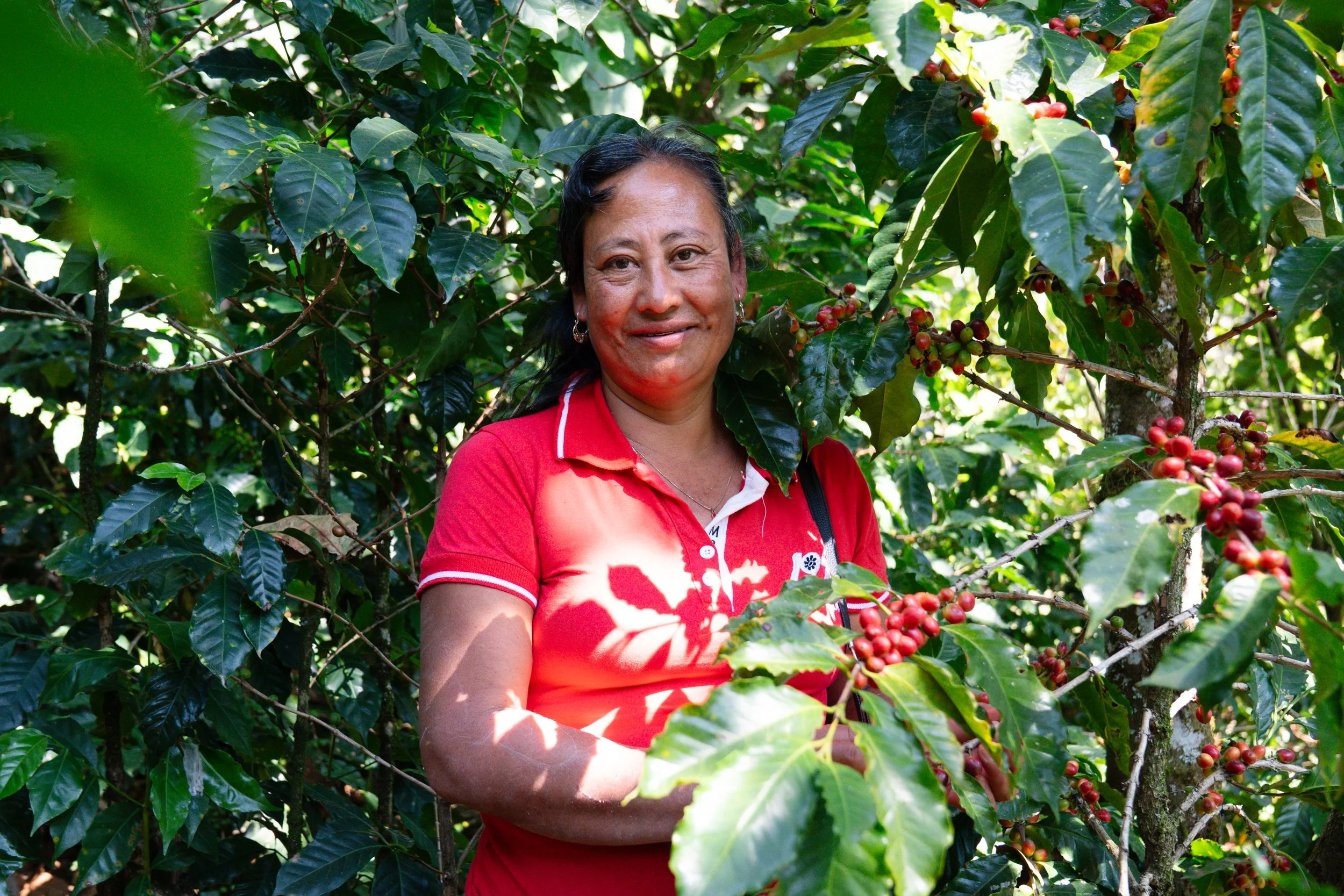
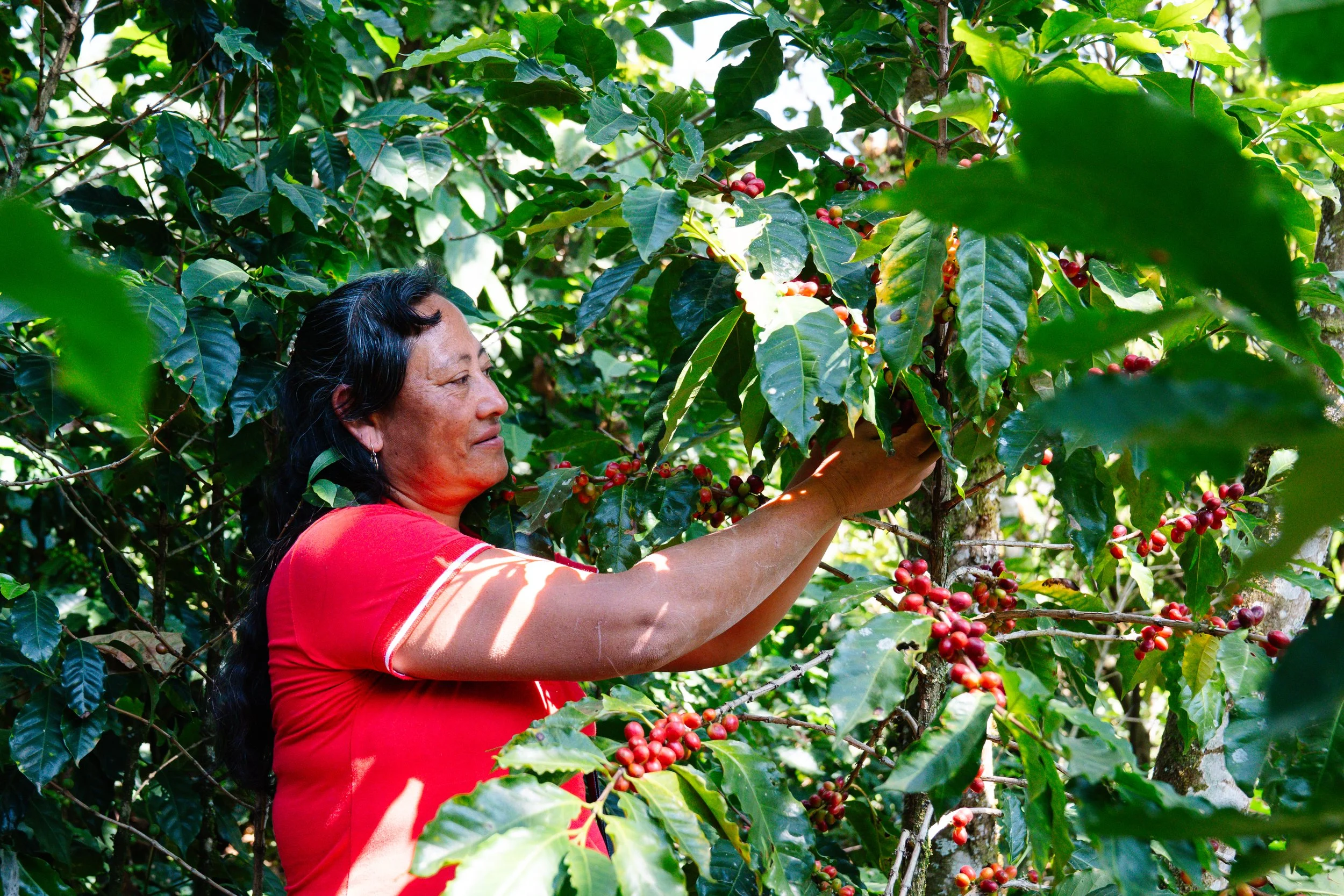
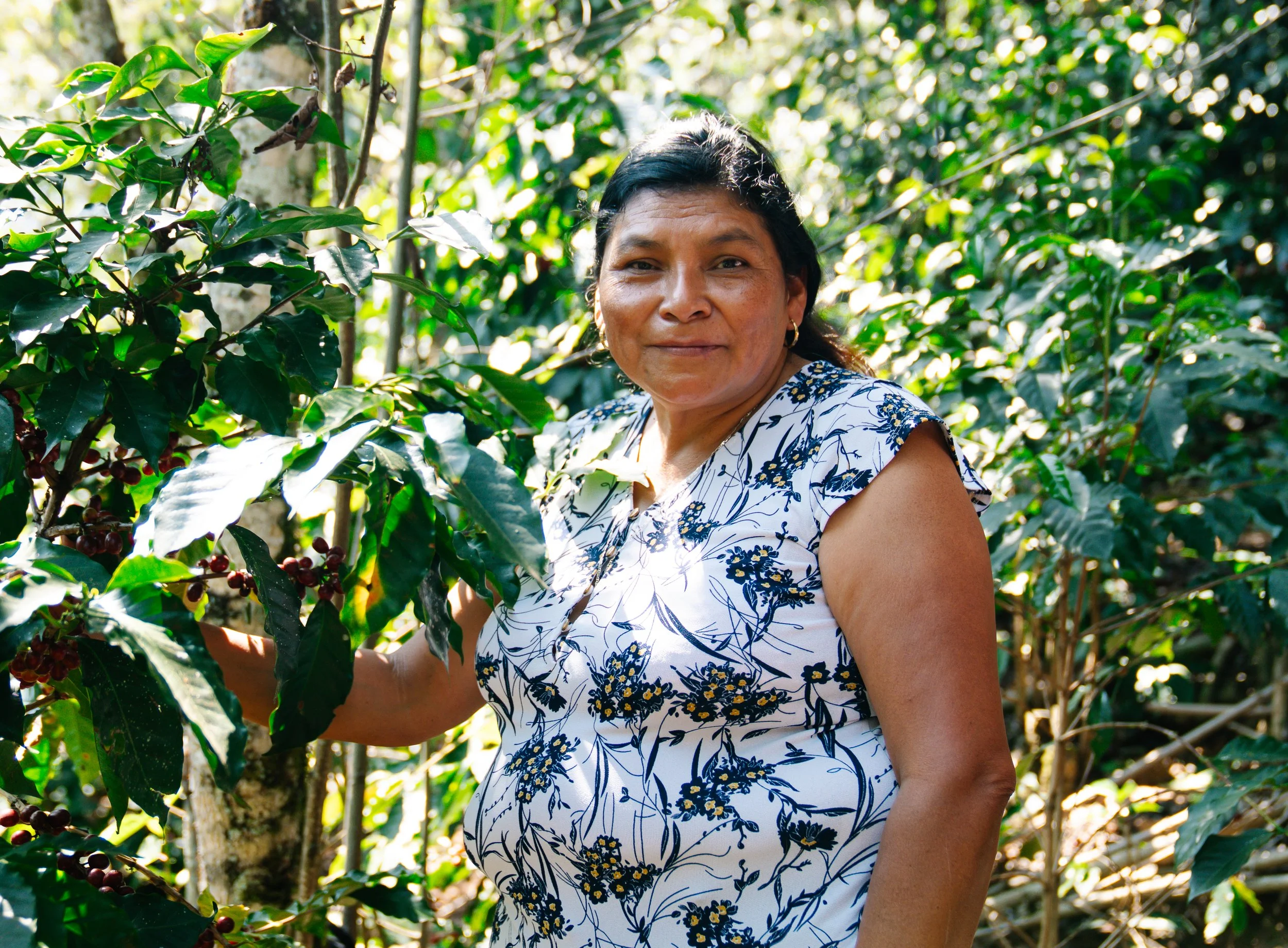
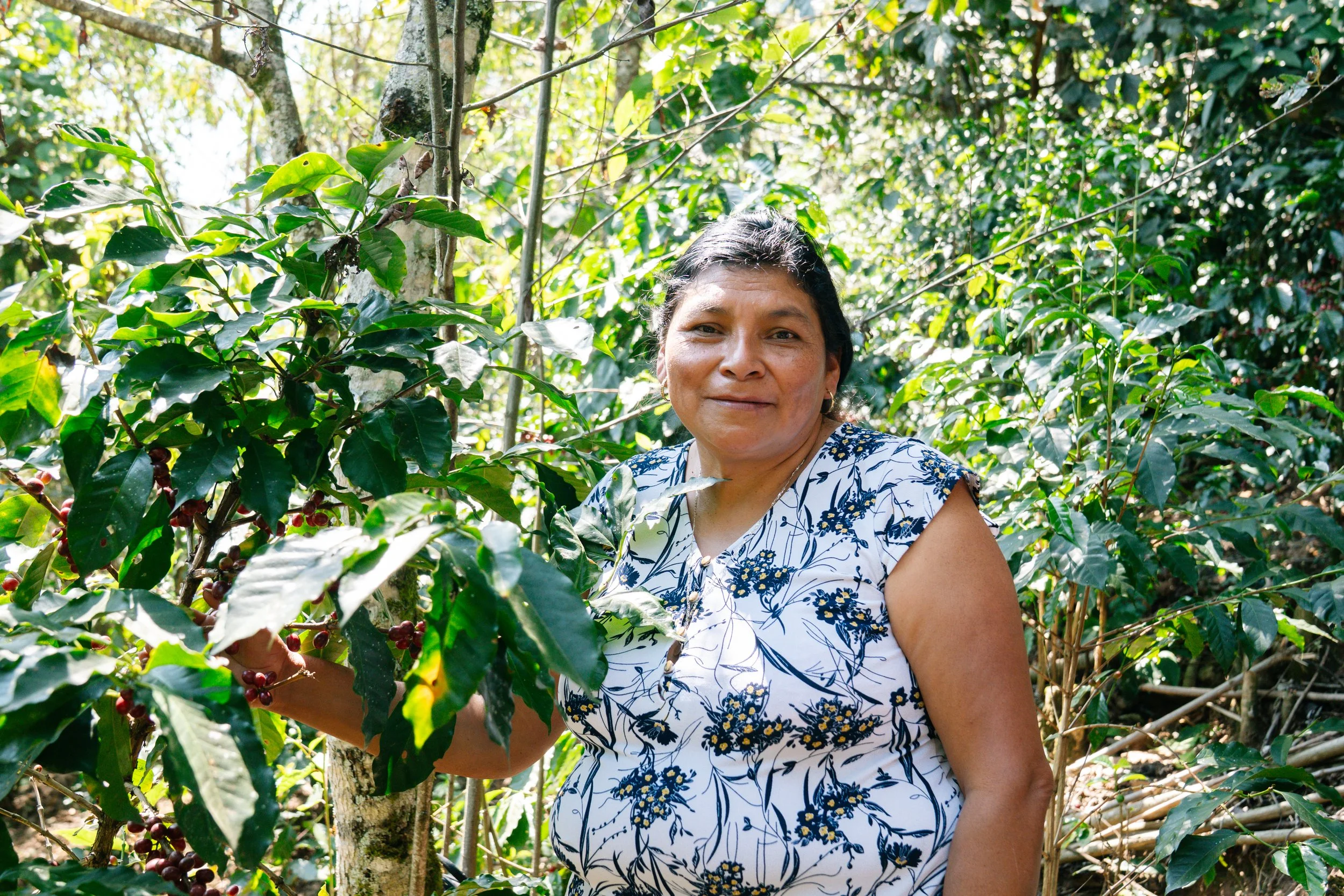
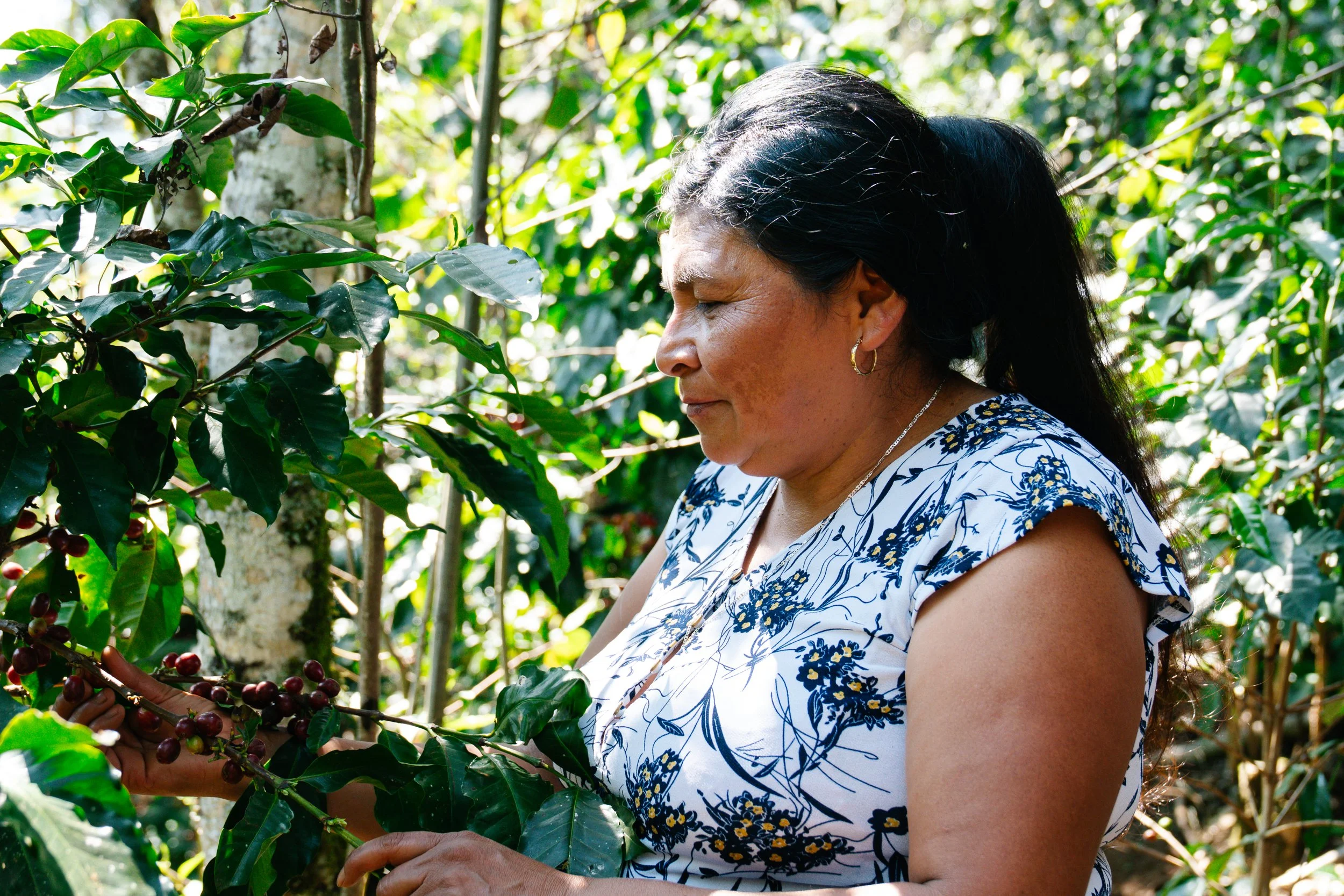
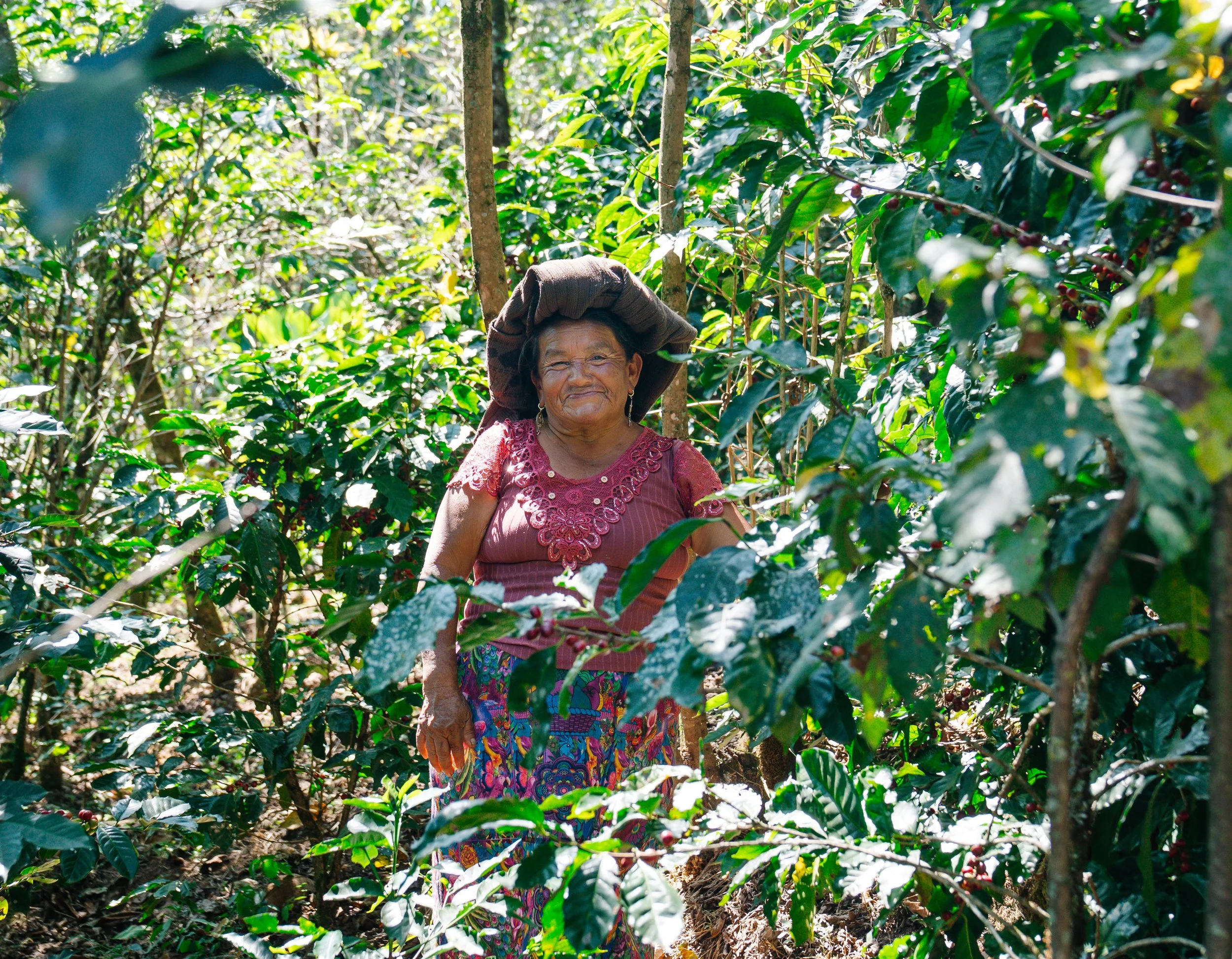
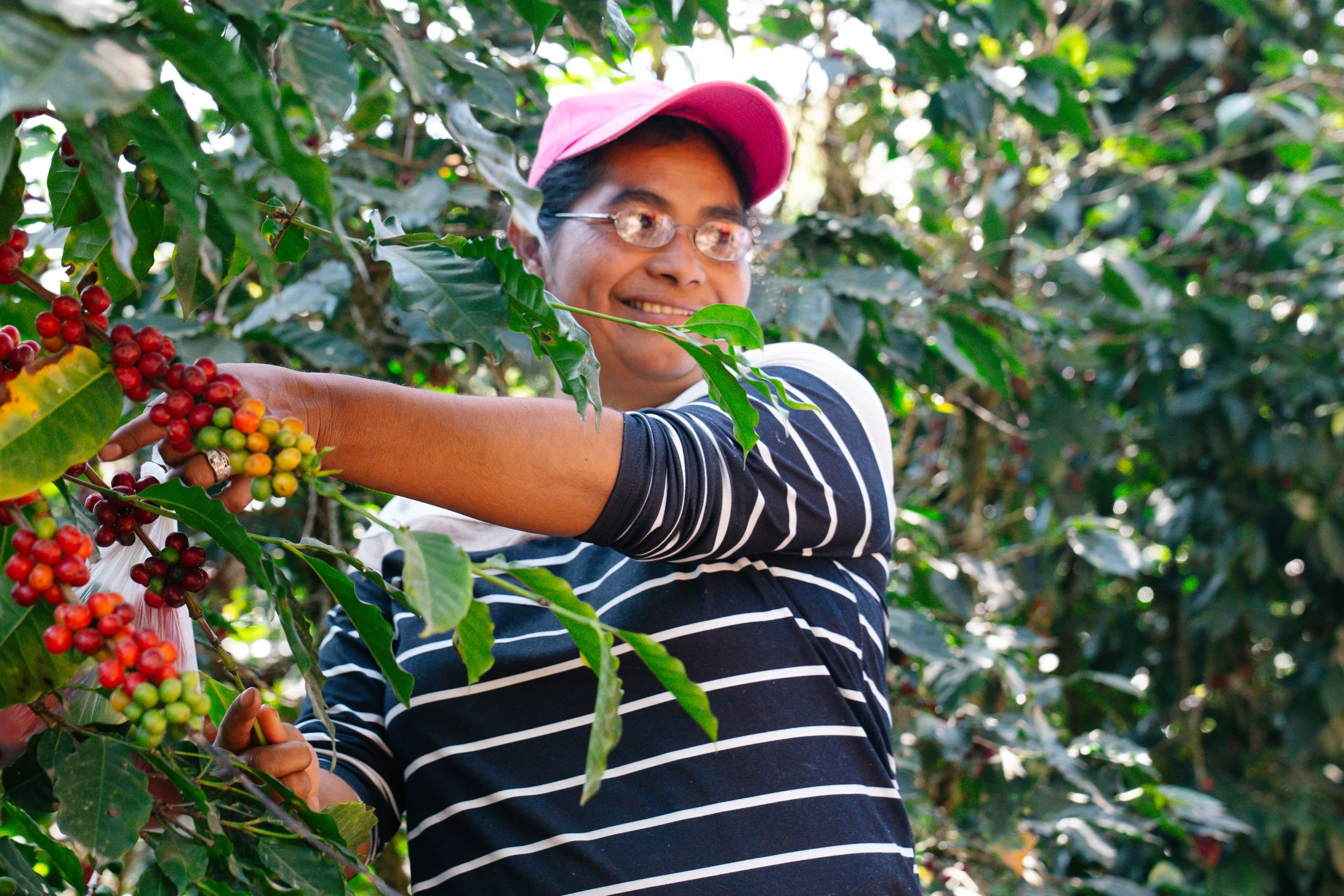
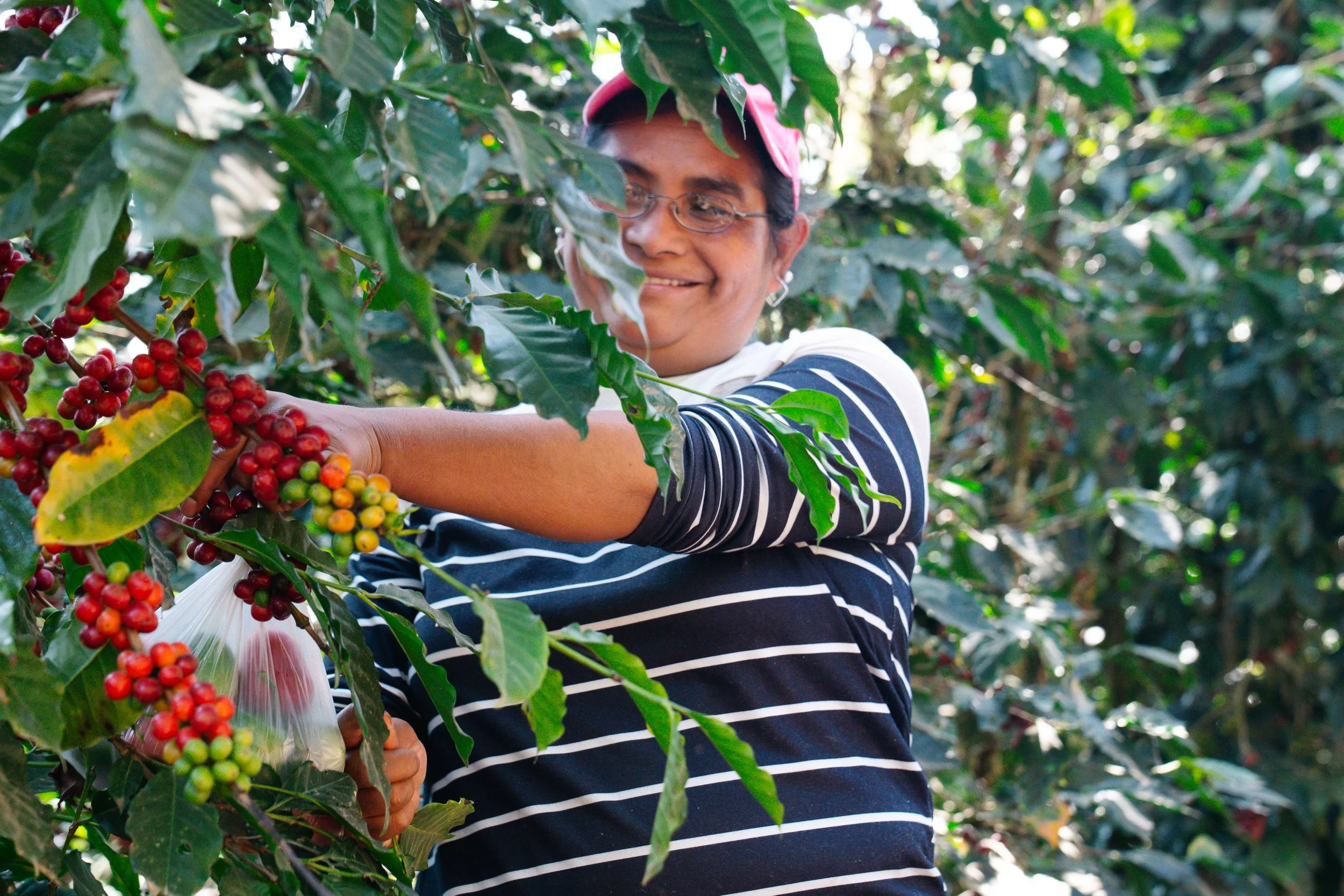
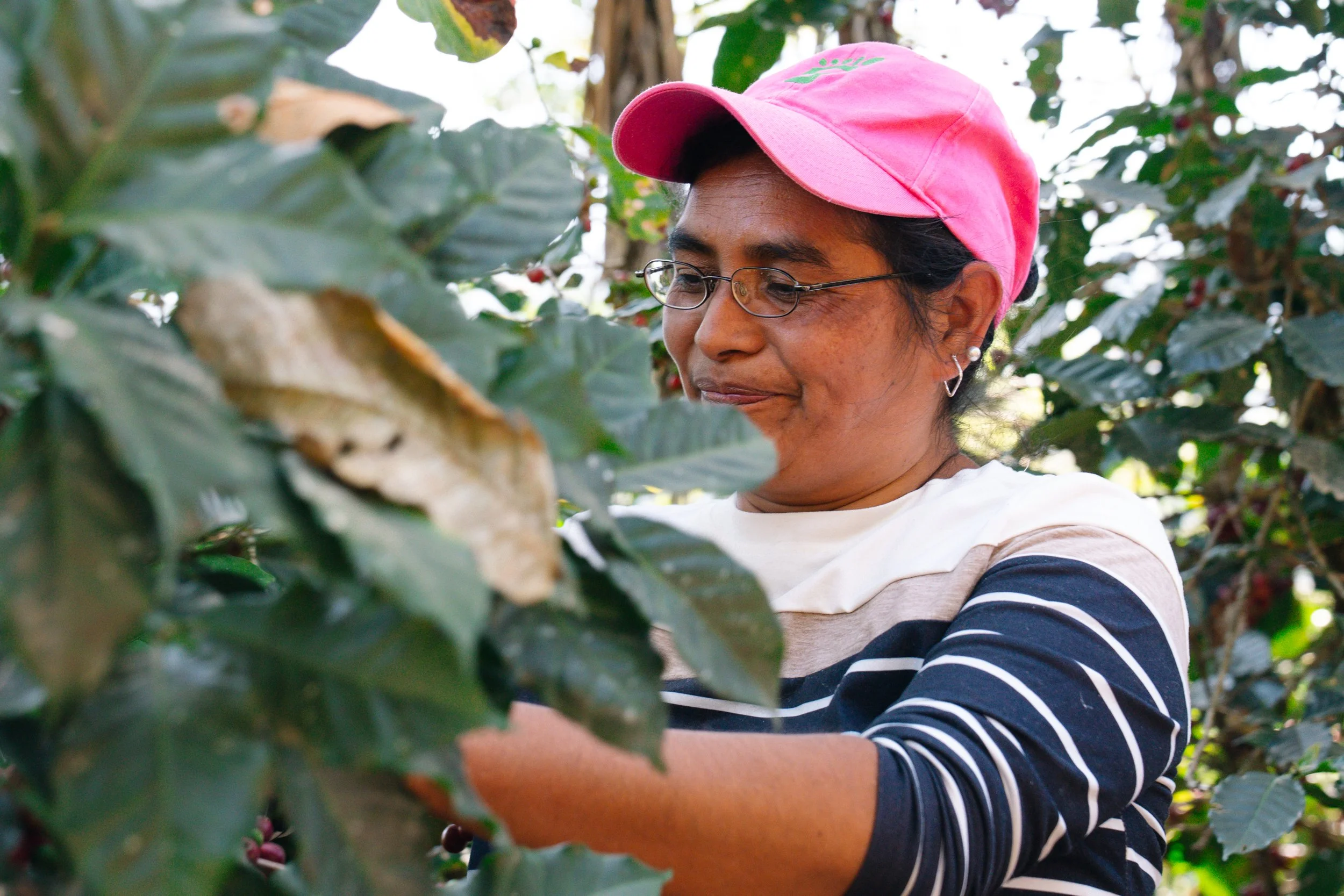
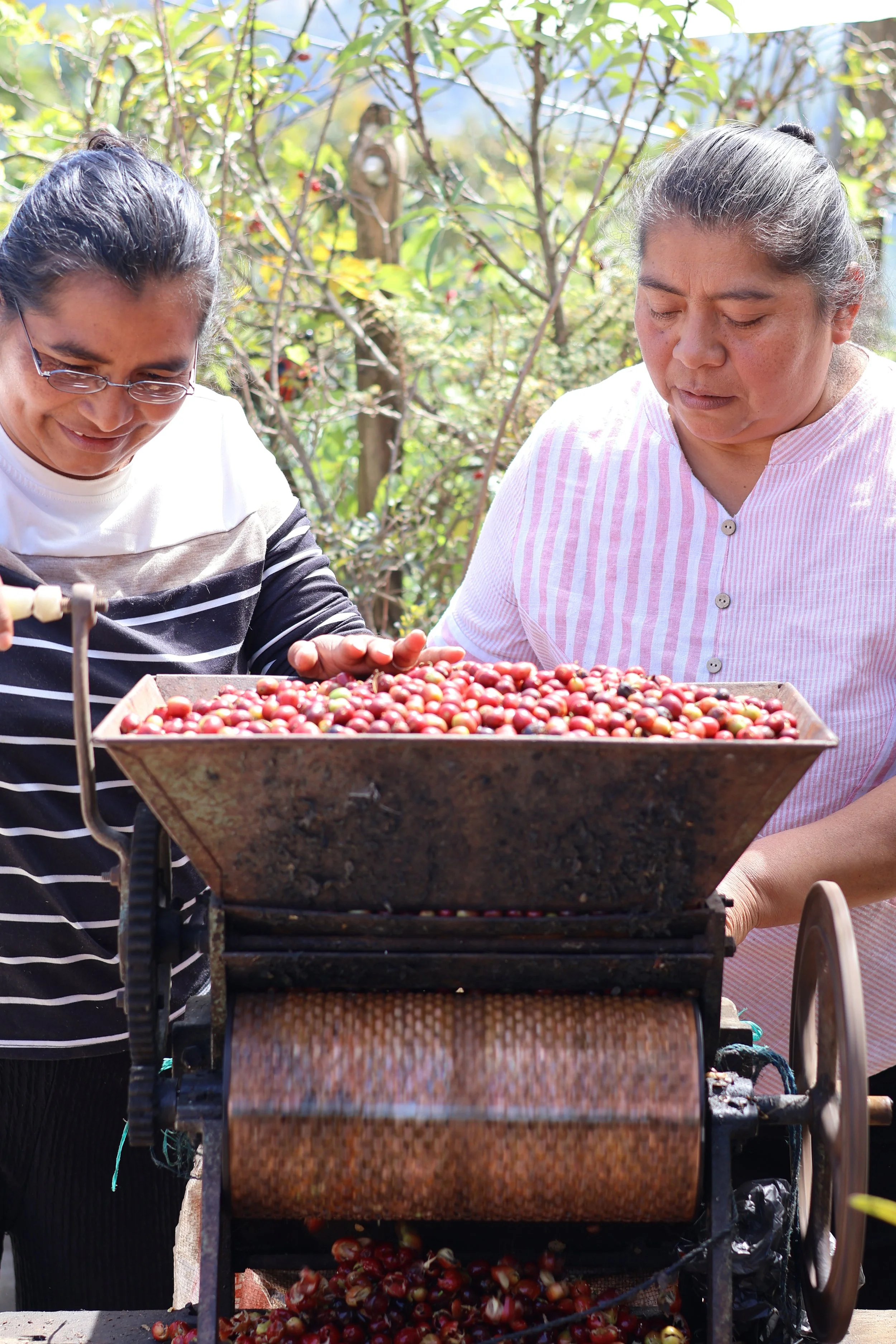
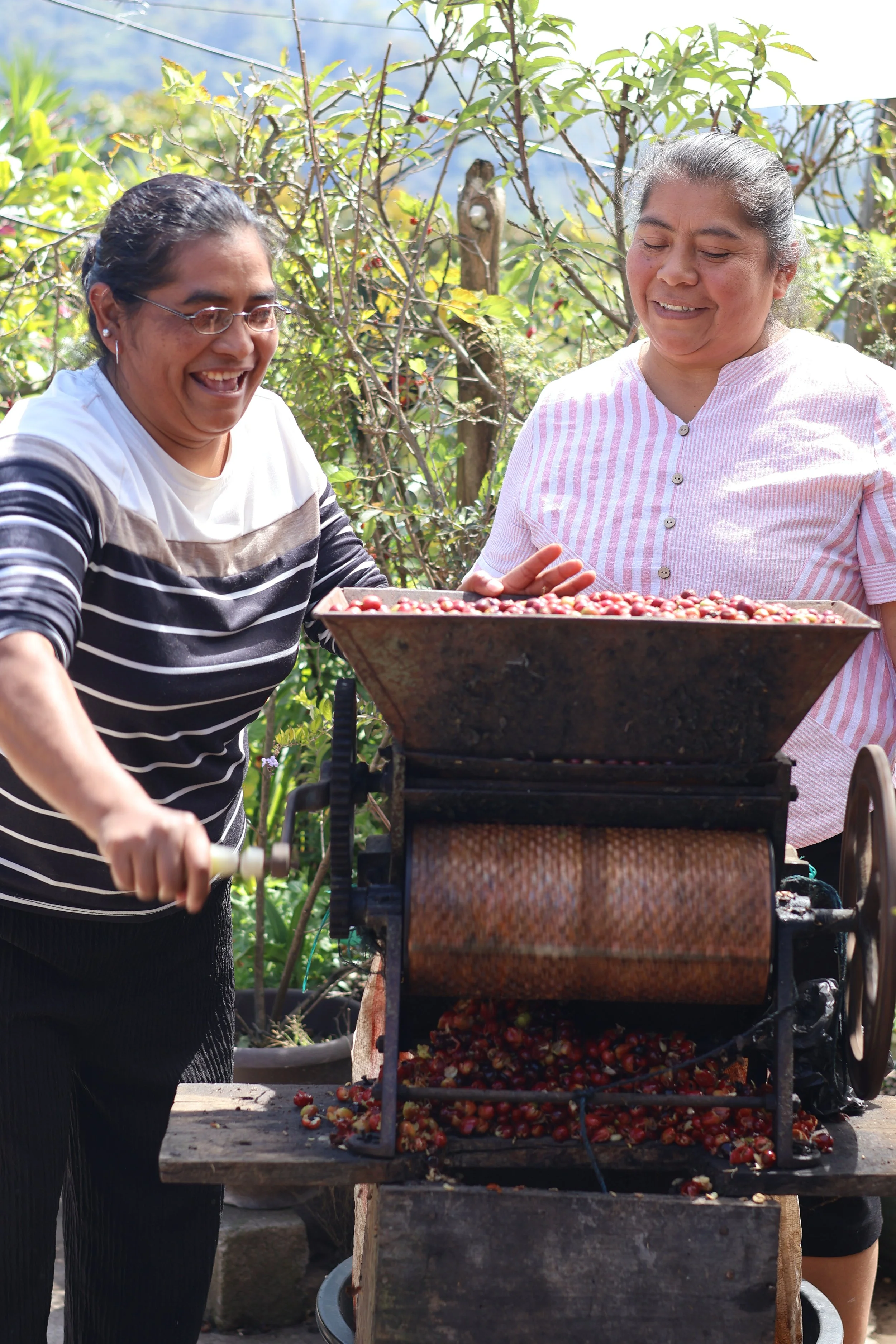
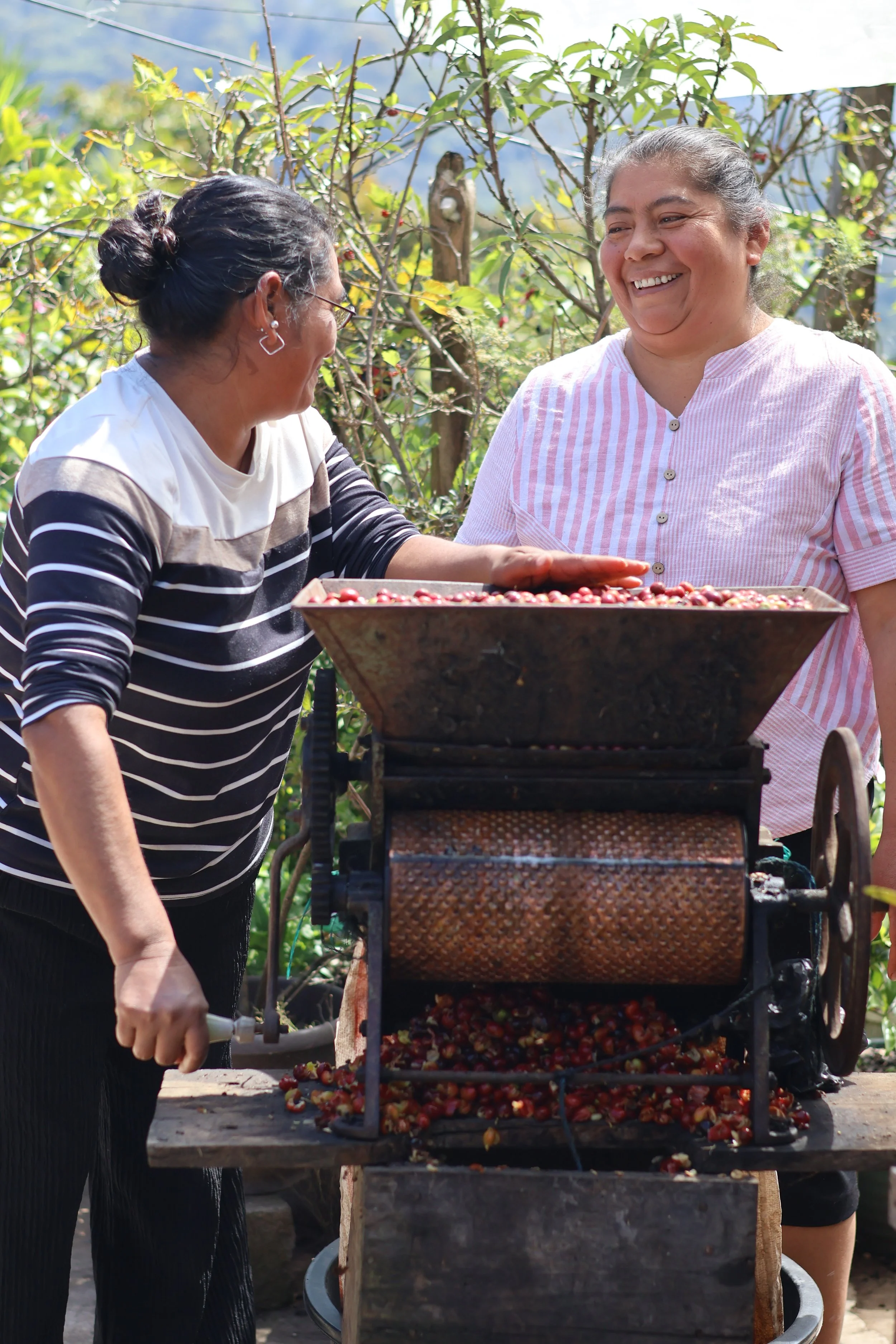
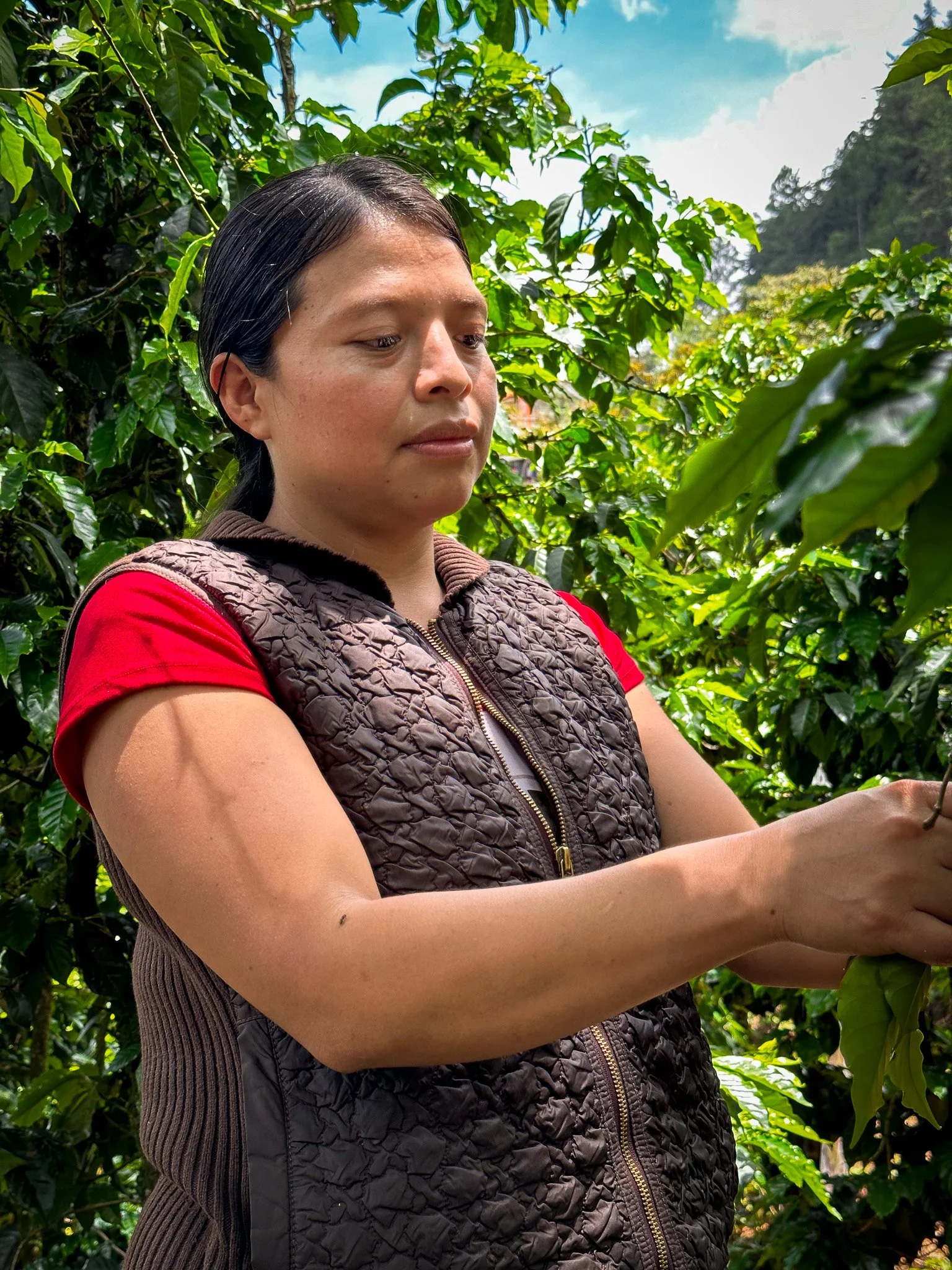
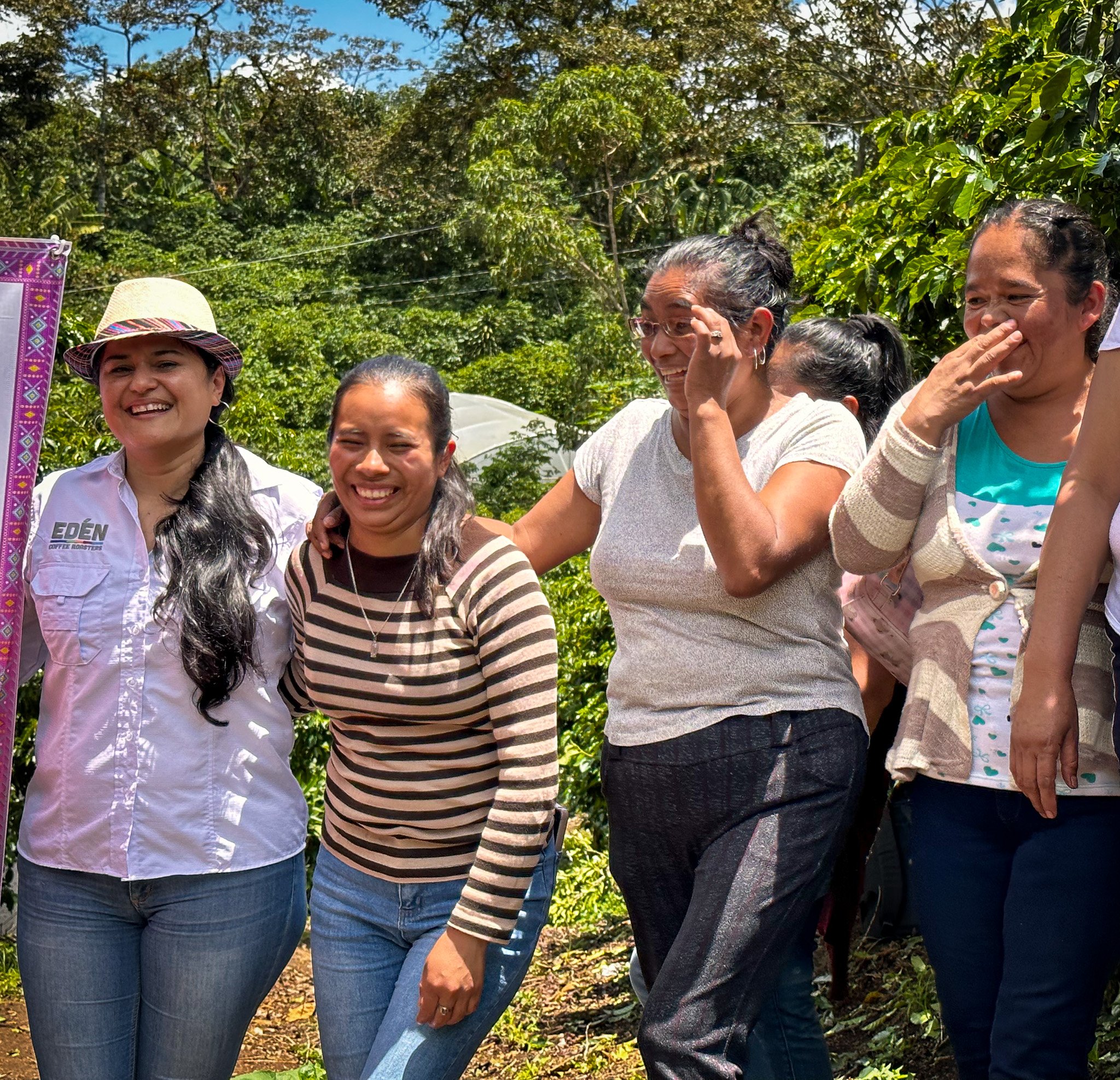
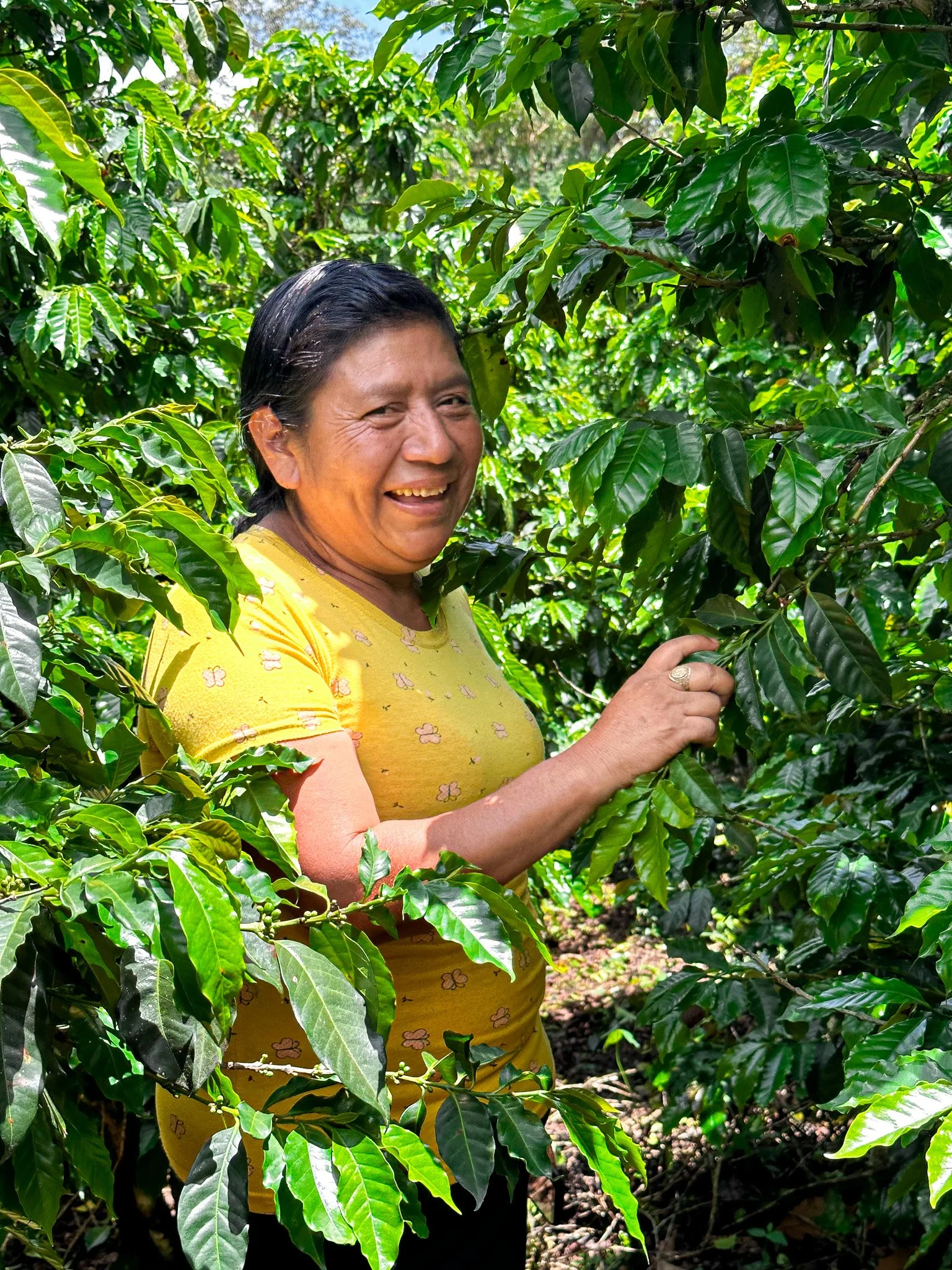
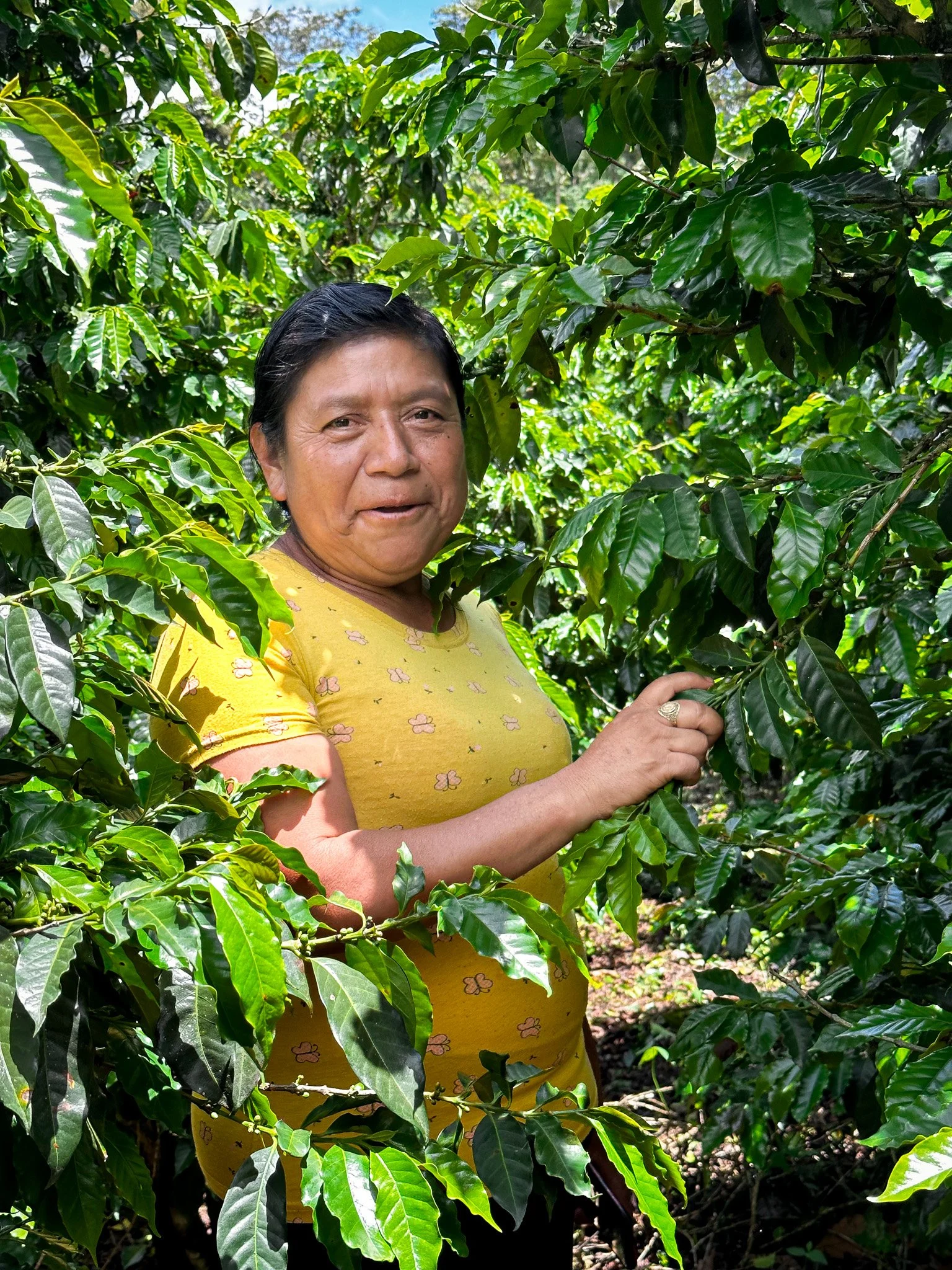
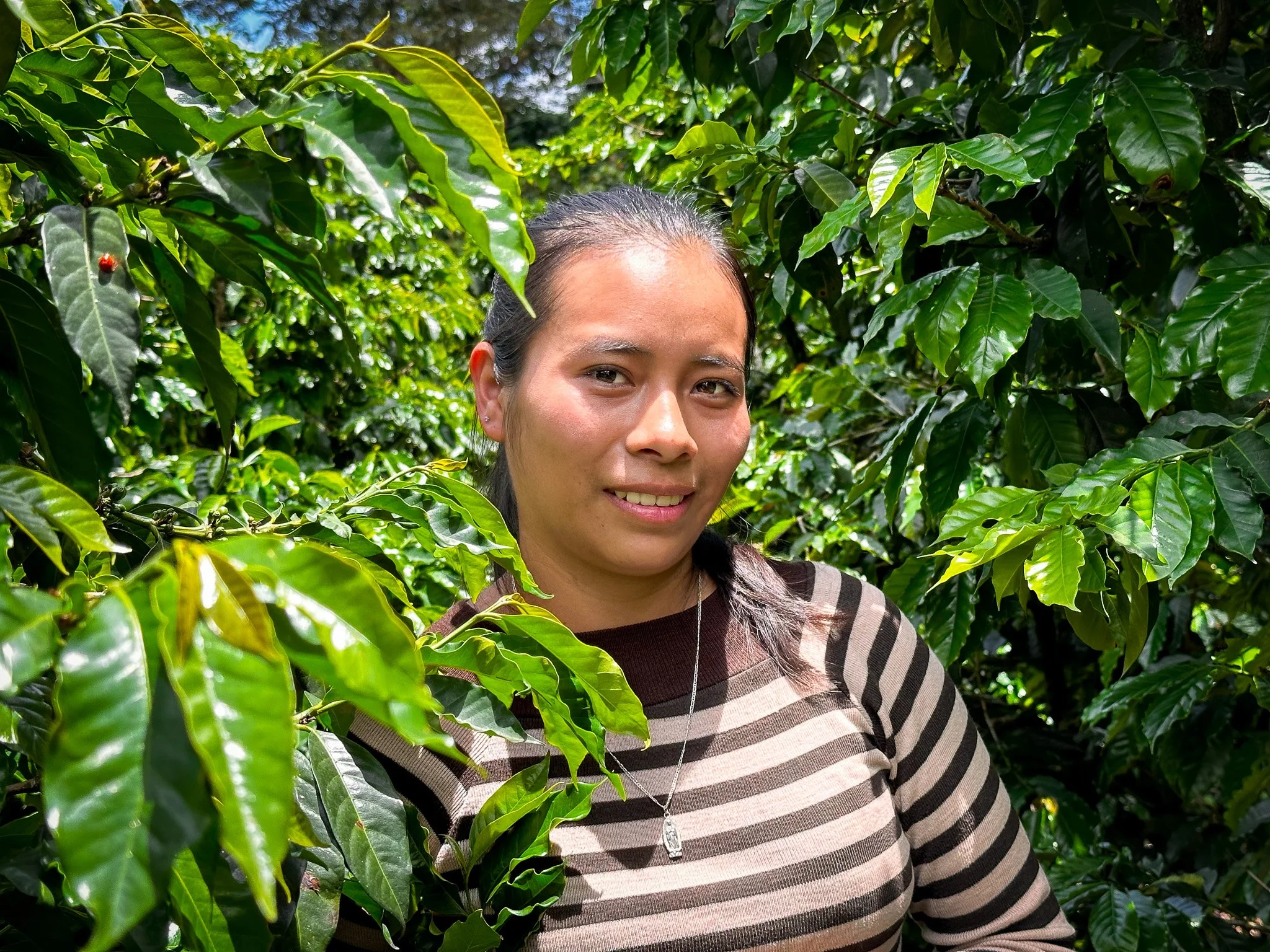
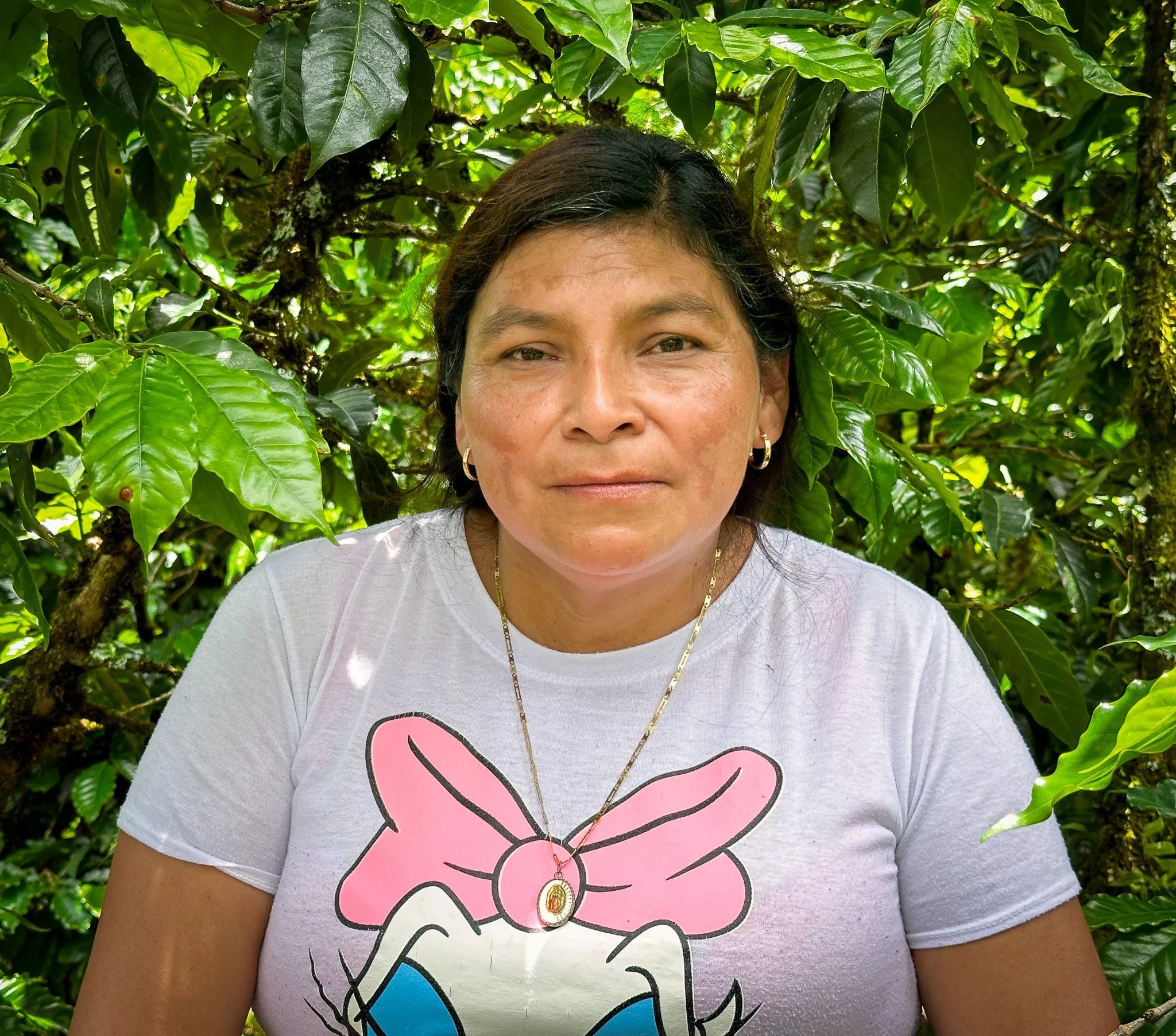
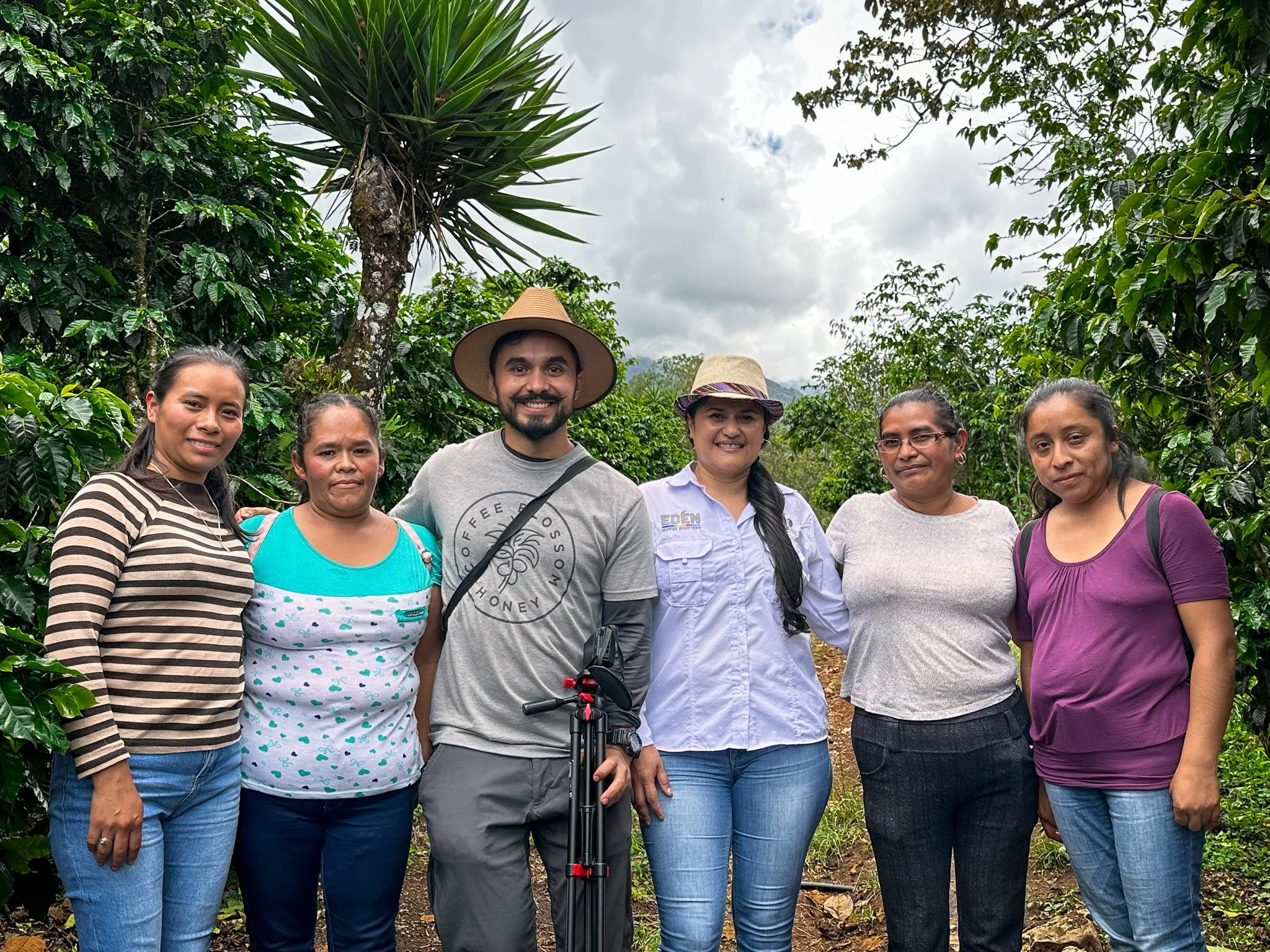
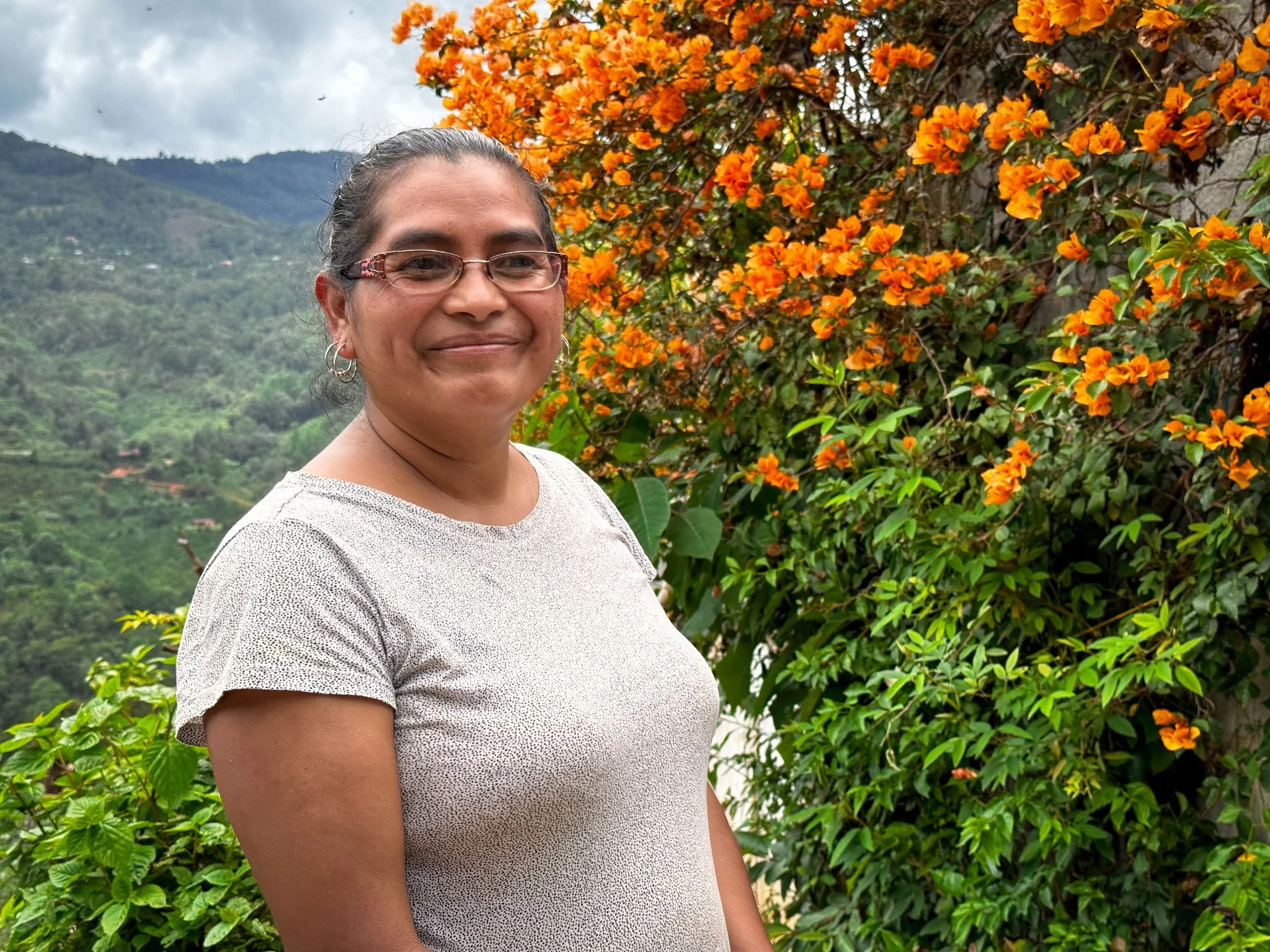
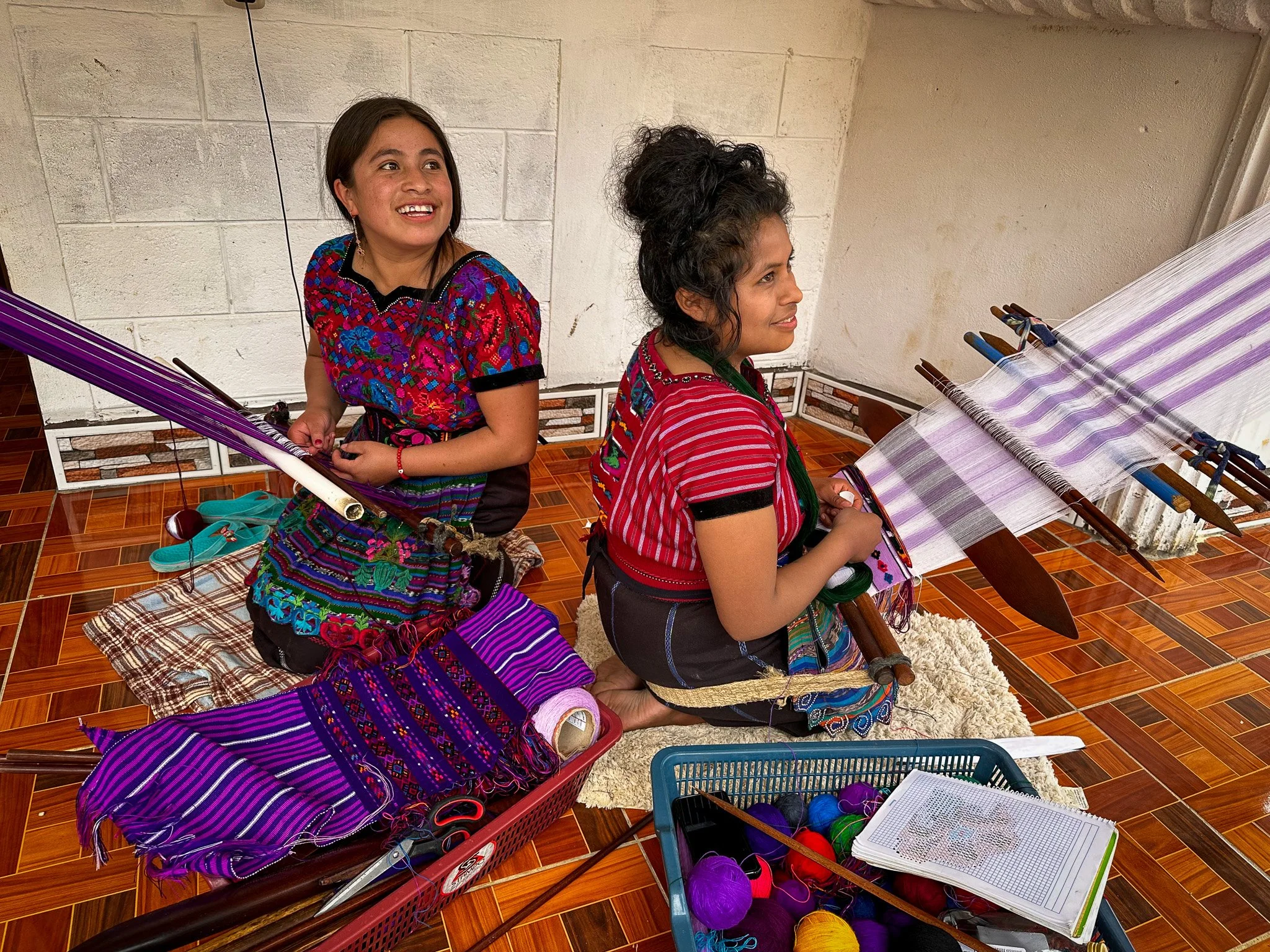
Ella comes from members of Mujeres Luchando por un Mejor Futuro, which translates to “Women Fighting for a Better Future.”
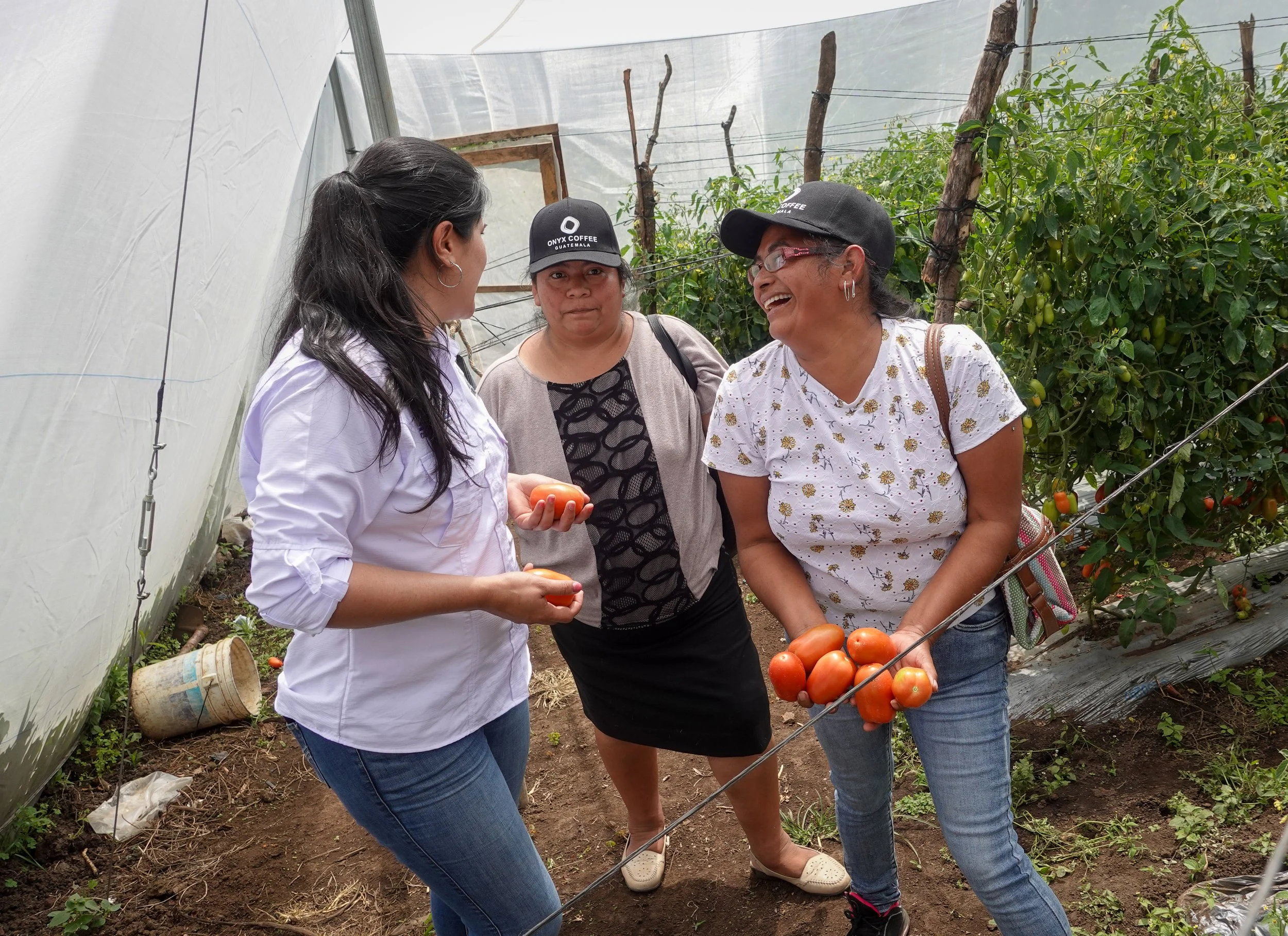
The collective brings together 276 women working to improve opportunities within their community. Together, they established a local community bank and launched health and agricultural initiatives, while continuing to seek education and support.
The majority of this coffee comes from a dedicated core group of 36 women focused on coffee production.
The group also earned organic certification in 2025, building on farming practices they had already been using.
Those details deserve space alongside the tasting notes. Behind the coffee is a community creating the resources and organization needed to keep moving forward in a place where running a business presents significant challenges.
-
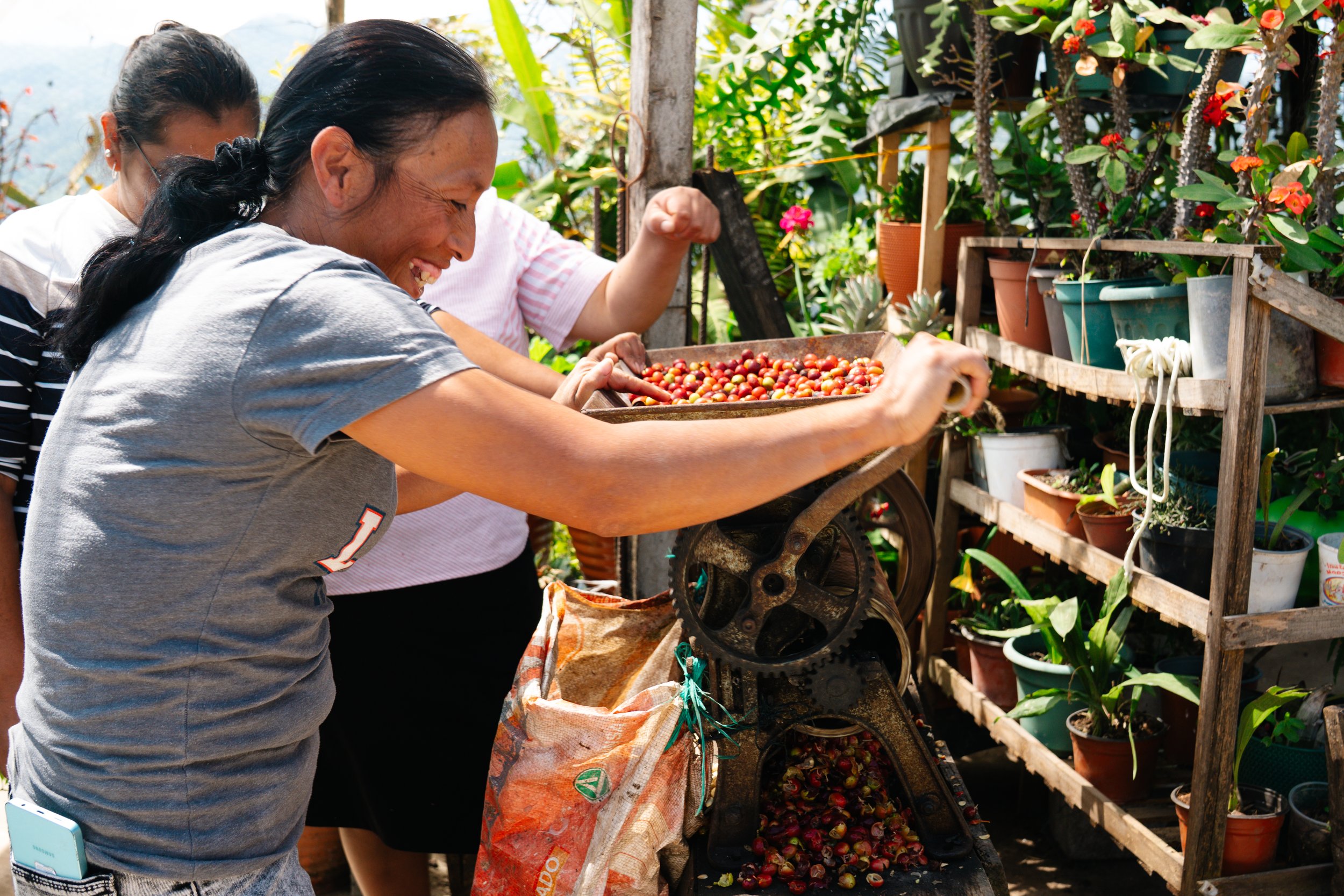
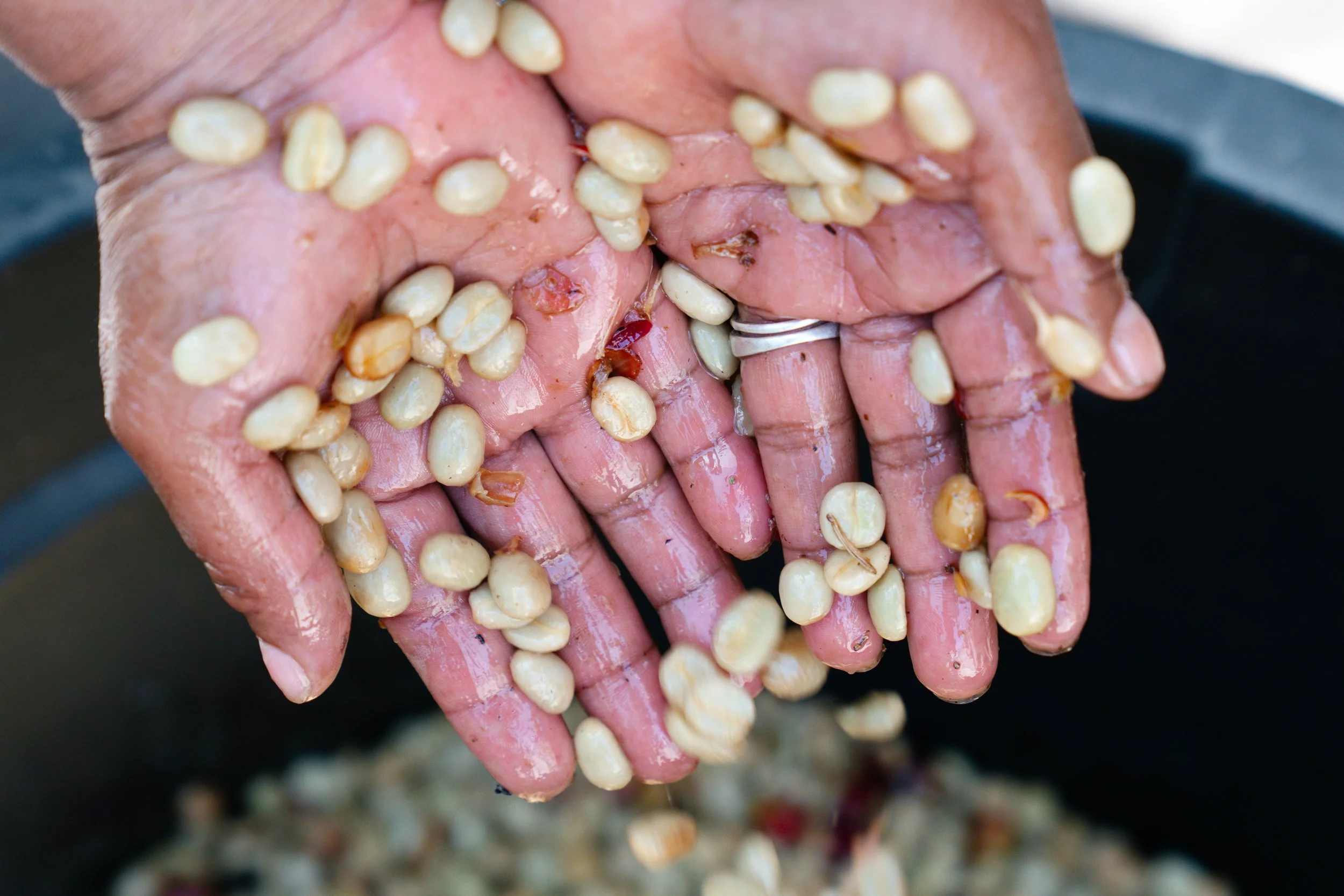
Ella is a washed coffee, with a listed fermentation time of 36 hours followed by 14 days of drying on concrete patios.
In washed processing, the outer fruit is removed, and fermentation helps break down the sticky mucilage surrounding the seed so it can be washed away before drying.
Fermentation is still an important part of this process. Temperature, time, and the condition of the coffee influence how that stage progresses. Drying then requires its own attention to bring the coffee to a stable condition for storage and transport.
For Ella, those steps give us a washed expression of Bourbon and Caturra built around chocolate, berry, sweetness, and a creamy mouthfeel.
-
Ella gives us a coffee we are excited to share and a producer group we can learn more about through our importer.
Onyx connects this lot to a specific community, a named women’s organization, and a core group of coffee producers. That information helps us understand more of what sits behind the finished cup.
Onyx also describes purchases of this lot as helping provide financial predictability for the women producing it. In a remote community with difficult access to markets, dependable opportunities to sell coffee matter.
That is what we want to keep exploring through our Limited Drops: the flavor, the agricultural work, the people, and the decisions that connect all of them.
Enjoy Ella. Give it some time, let it cool, and see what you find.
-
WHAT'S INSIDE A $17.50 BAG OF ELLA
We think it is pretty cool to know what actually goes into the price of a bag of coffee, because from the outside it can be easy to look at a $17.50 bag and wonder where that money goes. There is a surprisingly long chain between coffee being grown in Guatemala and a finished 225 g bag sitting on your counter, so we wanted to show you some of the numbers behind this one.
We purchased Ella Todos Santos from Onyx Coffee for $5.24 per pound green. The original 69 kg sack contained approximately 152.1 pounds of coffee before transportation, roasting, packaging, or any of the other work required to prepare it for sale.
Coffee also does not weigh the same after we roast it. Ella loses about 13% of its weight during our roast, taking those original 152.1 pounds down to roughly 132.3 pounds of roasted coffee.
We also reserve small samples from most roast batches for quality control. Between roast weight loss and the coffee held back for tasting, that sack gives us approximately 265 sellable 225 g bags, depending on how much we sample.
WHAT WE PAID, AND WHAT WE CAN'T SEE YET
Here is the limit of this breakdown. We can tell you what we paid Onyx for the unroasted coffee: $5.24 per pound before transportation to our roastery.
We do not currently have verified farmgate pricing for this lot or a breakdown showing how that purchase price was distributed among producers, mills, exporters, and the importer.
That is a meaningful gap. Understanding our own expenses helps explain the retail price, while understanding producer payments requires information farther back in the supply chain. If we obtain verified figures for this lot, we can add them here.
What follows combines documented purchases with shared costs and labor estimated at our target rate of $25 per hour.
WHAT DOES ONE BAG ACTUALLY COST US?
After accounting for roast loss and our normal quality-control samples, the green coffee itself works out to approximately $3.00 for every 225 g bag we sell.
Getting the coffee into our building adds another layer. Ella traveled as part of the consolidated shipment that also brought us The Classic, Flower Power, and Tikis & Hot Rods. Sharing that freight movement spreads transportation costs across several coffees.
Our costing allowance for freight is $0.42 per pound green, which works out to approximately 24 cents per finished retail bag. Including Ella’s allocated share of local pickup labor and fuel brings transportation to roughly 30 cents per bag.
The packaging has its own costs. We purchase 500 retail bags for $190, plus $24.48 in shipping, putting the bag itself at approximately 43 cents. Ella’s label adds around another 5 cents.
Chloe and I package the coffee ourselves. It takes the two of us around two minutes to finish each bag. At our target labor rate of $25 per hour, that represents approximately $1.67 of labor to weigh, fill, label, finish, and prepare each bag for sale.
ROASTING IS MOSTLY A LABOR COST
One person can roast roughly 61 pounds of green coffee per hour on our production roaster before accounting for weight loss. For Ella, that puts active roasting labor at approximately 23 cents per retail bag. Its becoming less than this amount with smaller batches we’ve been testing with.
But the coffee’s time inside the drum is only part of the production day.
The roaster needs around 50 minutes to warm up before production, and we allow roughly two hours for the machine and system to cool down afterward. We normally run between four and eight batches during a production day, so the number of batches changes how that time spreads across the finished coffee.
There is also our between-batch protocol, which costs around 26 cents per batch, plus gas and electricity.
Using the same planning allowance as our other coffees, roasting, warmup, cooldown, energy, and normal quality-control time come to approximately $1 per retail bag. The actual amount changes with the production day.
The energy going into one bag costs only a few cents. The human time around the machine accounts for considerably more.
WE STILL HAVE TO TASTE THE THING
We reserve around 13 to 26 grams from most roast batches for quality control. We collect those samples through production and normally sit down about once a week to taste through what we have been roasting.
For Ella, we are paying attention to how the chocolate, berry, bay leaf, piney aromatics, herbal character, and creamy sweetness fit together. We also want to understand how those flavors change as the coffee rests.
A cupping session takes around an hour. We use distilled water remineralized with Third Wave Water and brew roughly 200 ml for each 13 gram sample so the water stays consistent while we compare coffees.
That feedback helps us understand whether the decisions we made at the roaster produced the result we intended. The coffee used for tasting and the time spent evaluating it both belong in the cost of producing the finished bag.
WHY WE PICK UP OUR OWN GREEN COFFEE
Having the pallet delivered directly to our roastery would add roughly $100 for liftgate service and another $60 because of our delivery location.
The freight terminal is only 5.9 miles away, so Chloe and I drive over and collect the coffee ourselves. The drive takes around 17 minutes each way, with approximately another 10 minutes spent loading and unloading.
At $25 per hour for both of us, plus fuel, a normal pickup costs roughly $39.
This shipment required two trips because one of the Swift bags was left off the original pallet and arrived later. Even with that second trip, collecting the coffee ourselves cost less than paying the additional delivery charges.
Moving giant sacks of coffee around is a fairly ordinary part of running a small roasting company. It takes time, it costs money, and it happens long before anybody opens a retail bag.
BEFORE WE EVER ROASTED IT
There is also work involved in getting a coffee ready to release.
Across The Classic, Flower Power, Tikis & Hot Rods, and Ella, I spent roughly eight hours coordinating the shipment, tasting samples and comparable coffees, reviewing sourcing information, designing packaging, and preparing the information for each release.
At our target labor rate of $25 per hour, that represents approximately $200 shared across four coffees.
Dividing that work equally allocates $50 to Ella. Spread across approximately 265 retail bags, that adds around 19 cents per bag.
Some of this is one-time work. Once the packaging, sourcing research, and product information are finished, we can reuse that work through the release. But somebody still had to do it before the first bag could go out the door.
For a company our size, that somebody is usually us.
WHERE DOES THAT LEAVE THE $17.50?
Using these assumptions, the green coffee, roast loss, quality-control samples, transportation, packaging materials, packaging labor, roasting, energy, normal quality-control time, and release-development work come to approximately $6.50 to $7.00 per 225 g bag before general business overhead.
That total varies with production volume, sampling, and how shared labor spreads across a roasting day.
The remaining revenue supports the rest of the operation: the building and utilities, insurance, equipment maintenance, grinders, water filtration, website and software, payment-processing fees, administrative work, taxes, normal waste, and business profit.
Our trailer, wholesale accounts, events, online sales, and retail coffee all contribute to supporting that operation. They are connected parts of the same small company.
AND IF WE SHIP IT TO YOU
Online orders add another layer beyond producing the coffee itself.
Our shipping mailers cost approximately 40 cents each before postage, labels, tape, and the labor required to pack the order.
The closest USPS location is around 1.9 miles from the roastery, so somebody also physically takes those orders there. The cost per package changes depending on how many orders we can combine into one trip.
That is another reason the cost of fulfilling an order varies with its size and the number of orders going out together.
WHY WE ARE TELLING YOU ALL OF THIS
We think specialty coffee becomes more interesting when you can see the work behind it.
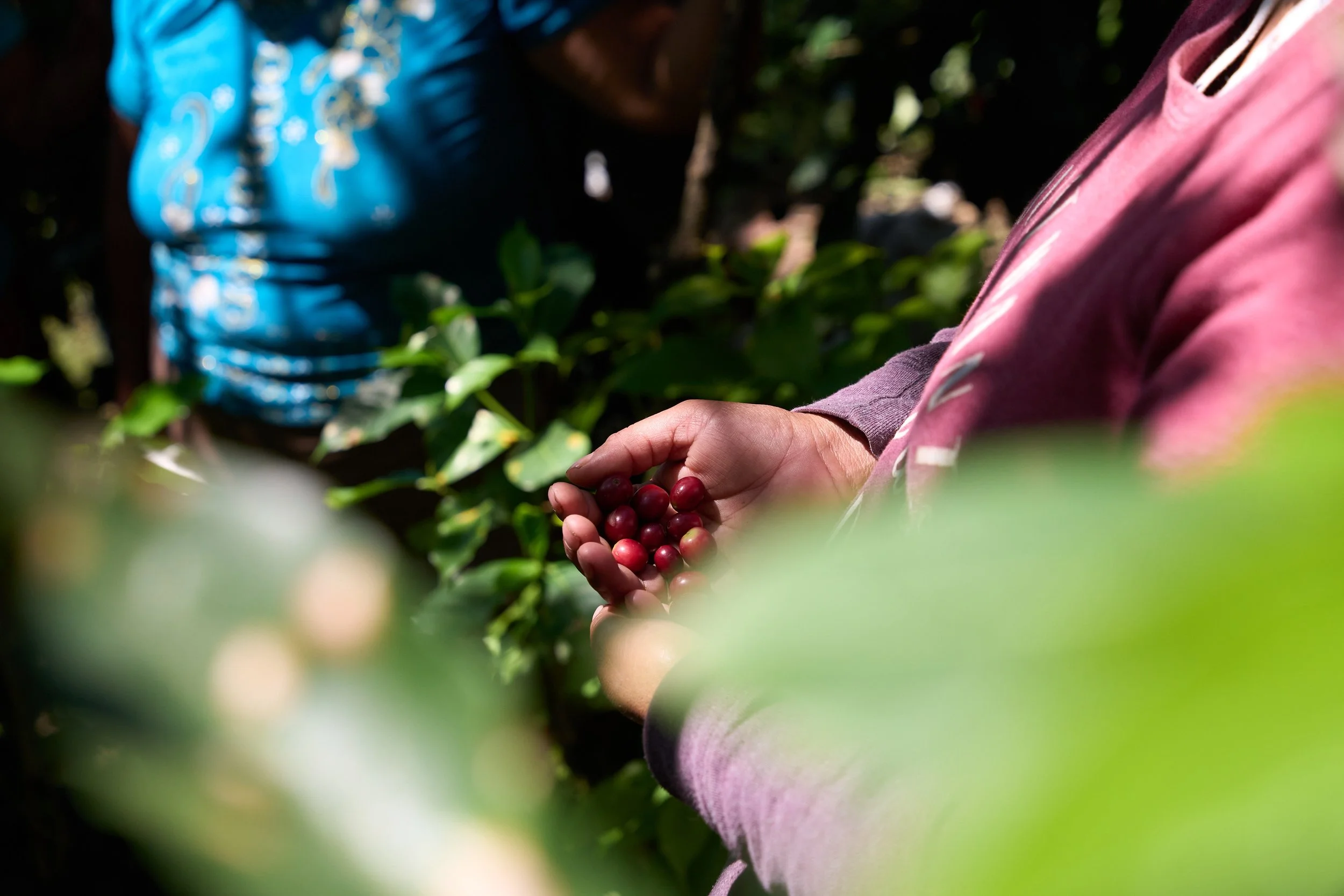
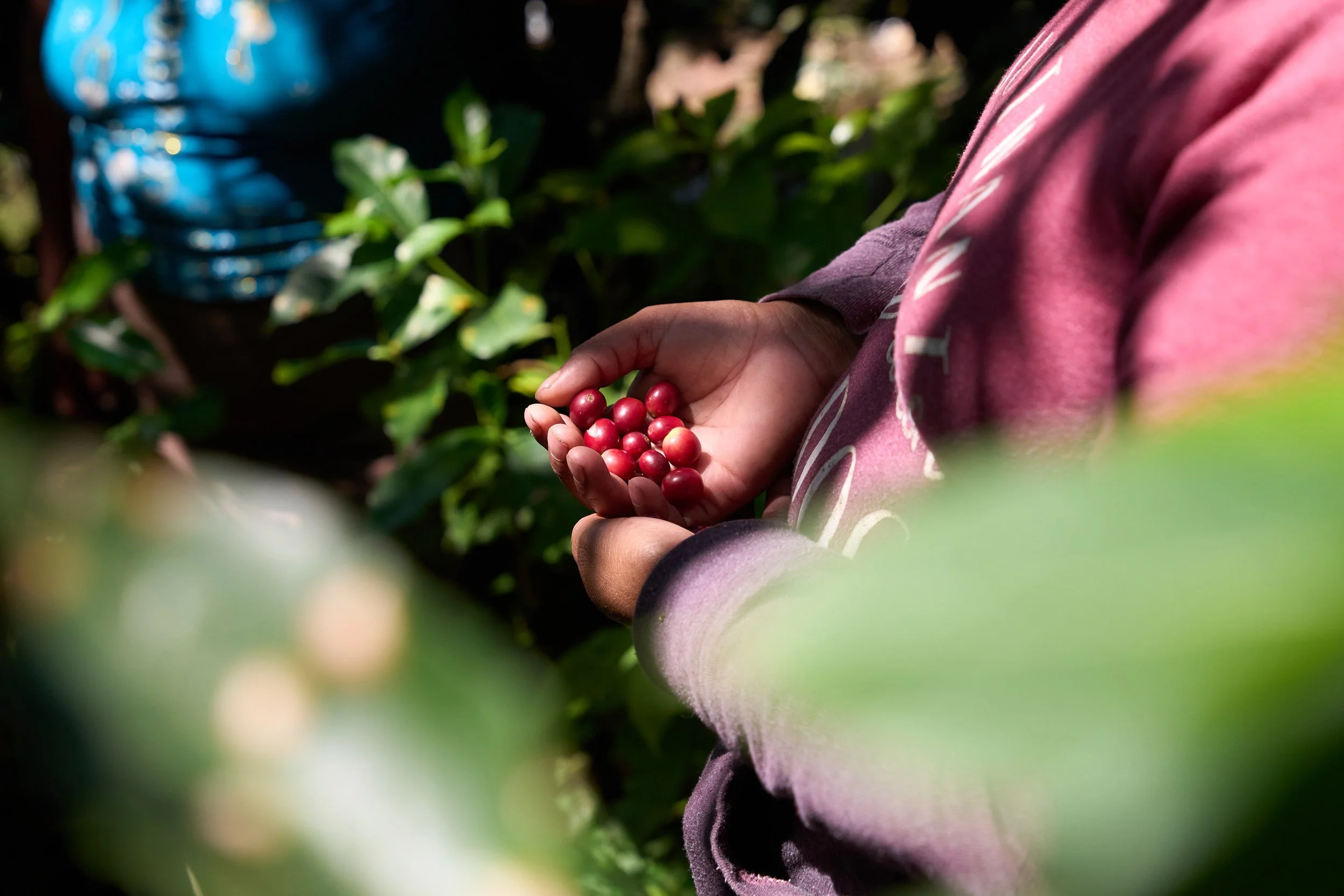
Ella started as coffee fruit grown by women in San Martín, Todos Santos, Guatemala. It was harvested, processed, dried, prepared for export, imported, transported to us, roasted in Cookeville, sampled, tasted, packaged by hand, labeled, and eventually handed or shipped to you.
By the time you open the bag, around 13% of the original weight has been lost during roasting, some finished coffee has been reserved for tasting, and a considerable amount of human time has gone into preparing what remains.
There is a lot hiding inside one little bag of coffee. Understanding more of it makes drinking it even cooler.