TIKIS & HOT RODS | SERIES 002: DEMEKA BECHA, ETHIOPIA
TIKIS & HOT RODS | SERIES 002: DEMEKA BECHA, ETHIOPIA
INTRODUCING SERIES 002
Tikis & Hot Rods is our year-round home for coffees that get a little weird. These are the coffees built around huge fruit character, fermentation, unusual processing, intense sweetness, and flavors that can make somebody question whether anything was added to the coffee.
The whole idea behind this series is finding coffees where variety, growing conditions, fermentation, drying, and processing push the flavor of coffee somewhere completely unexpected. We are not necessarily chasing delicate florals or textbook balance here. We want coffees that smell like candy when you grind them, explode with fruit when you brew them, and make someone who thinks coffee only tastes like chocolate and roast reconsider the entire category.
Series 002 takes us to Becha Village in Sidama, Ethiopia, where we found exactly that kind of coffee. What makes this release especially fun is that we bought another coffee from the exact same site for Flower Power. Same hill, same family, similar varieties, but a radically different processing method and an almost unrecognizable cup.
This is where coffee gets really fun.
WHERE THIS COFFEE IS FROM
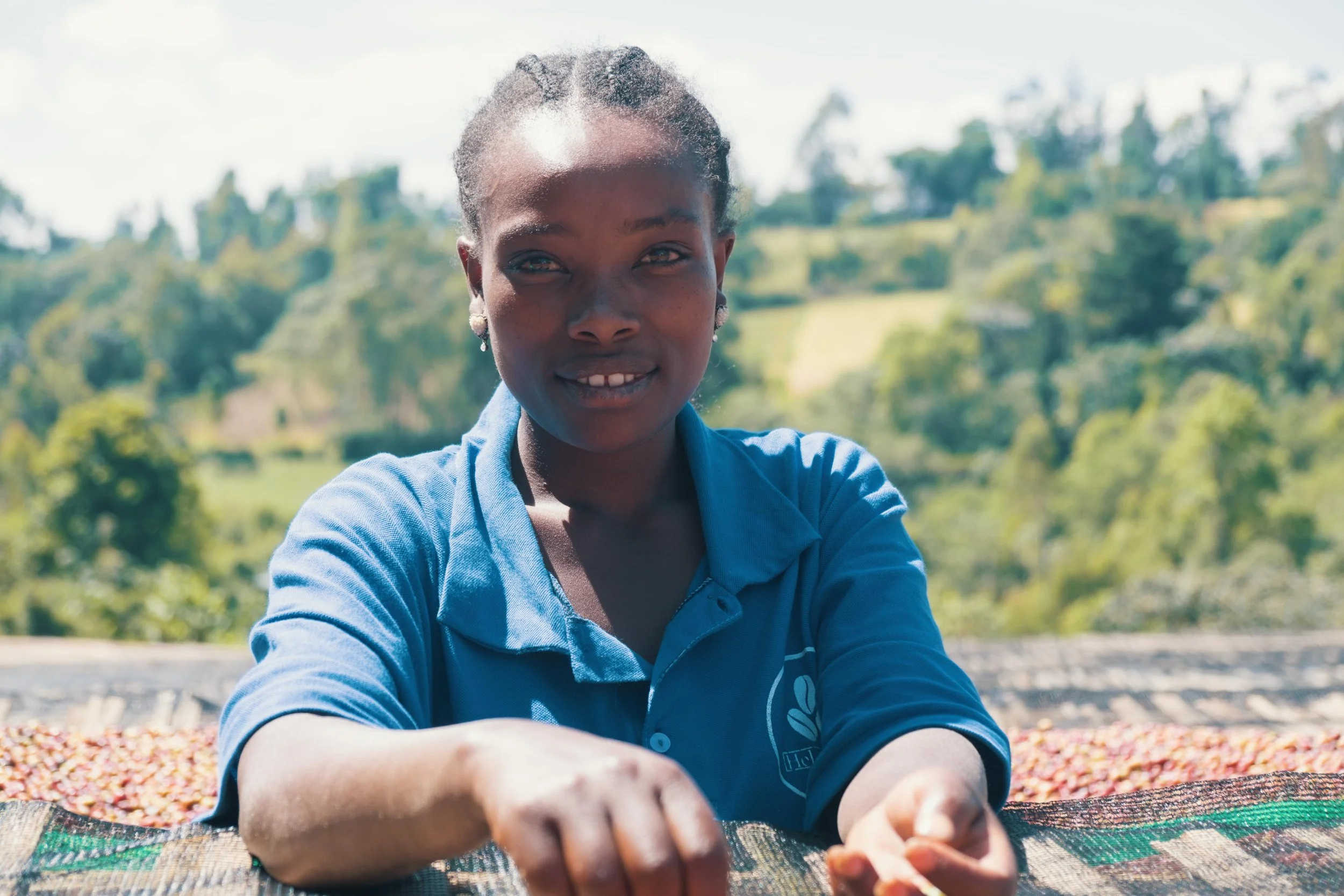
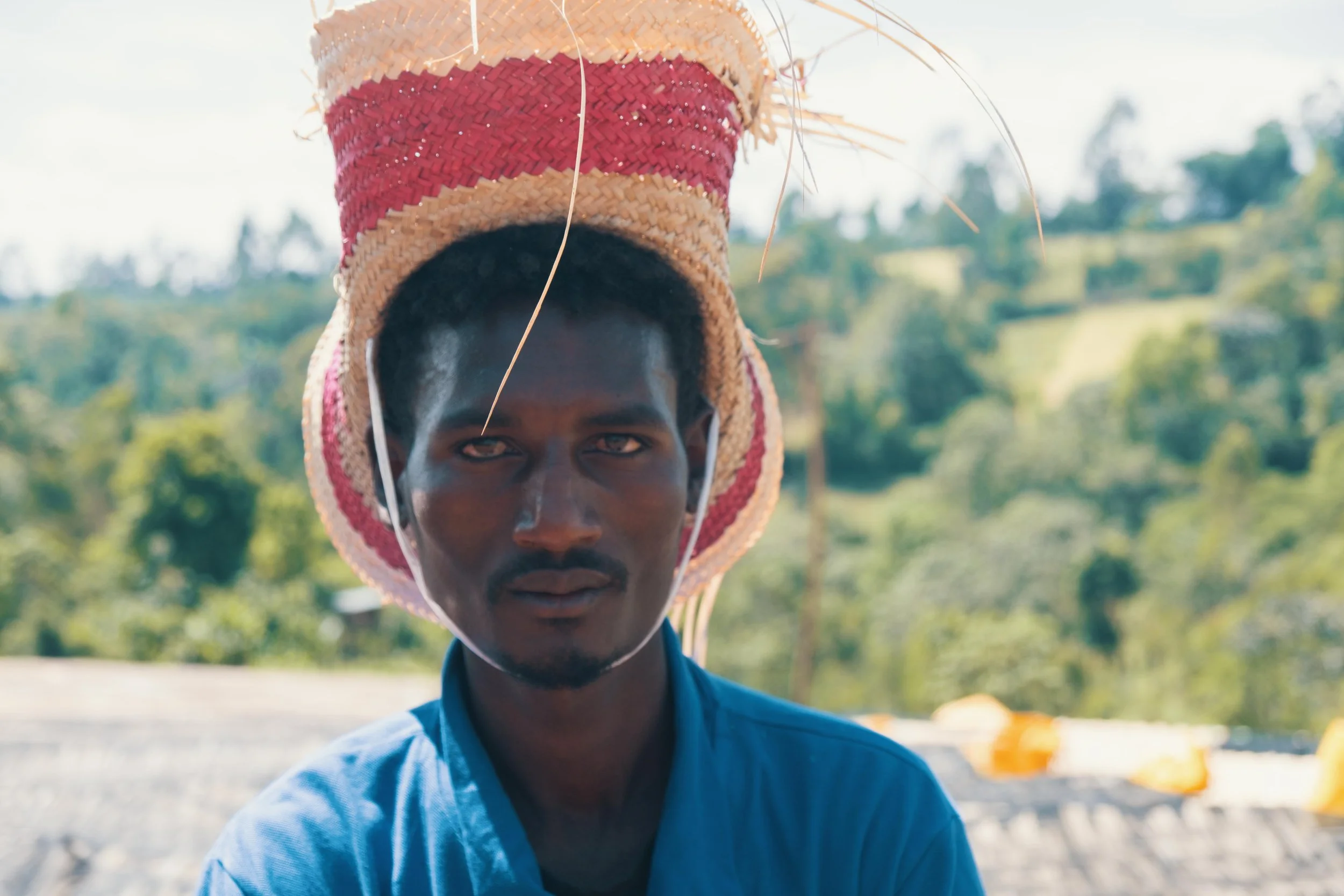
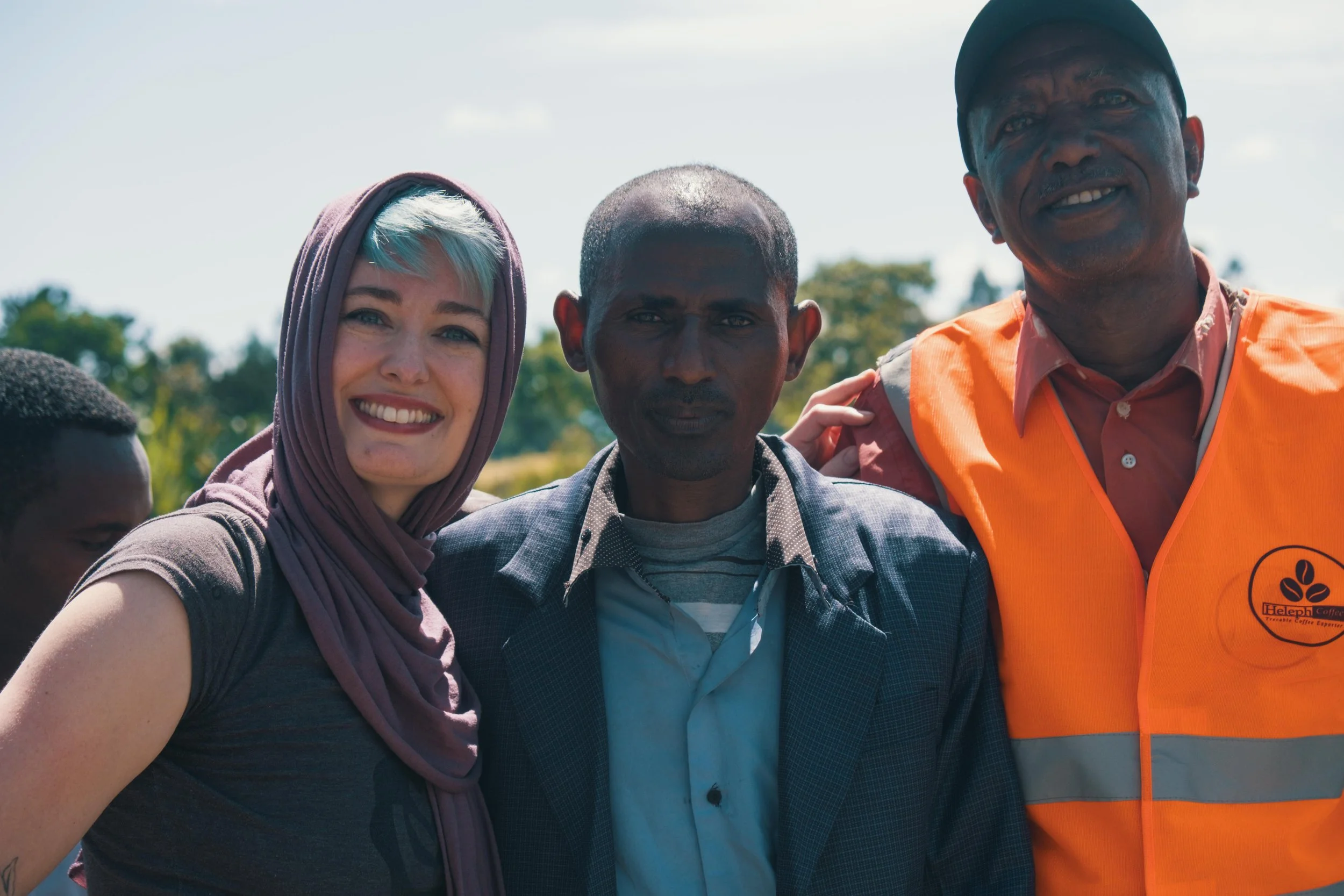
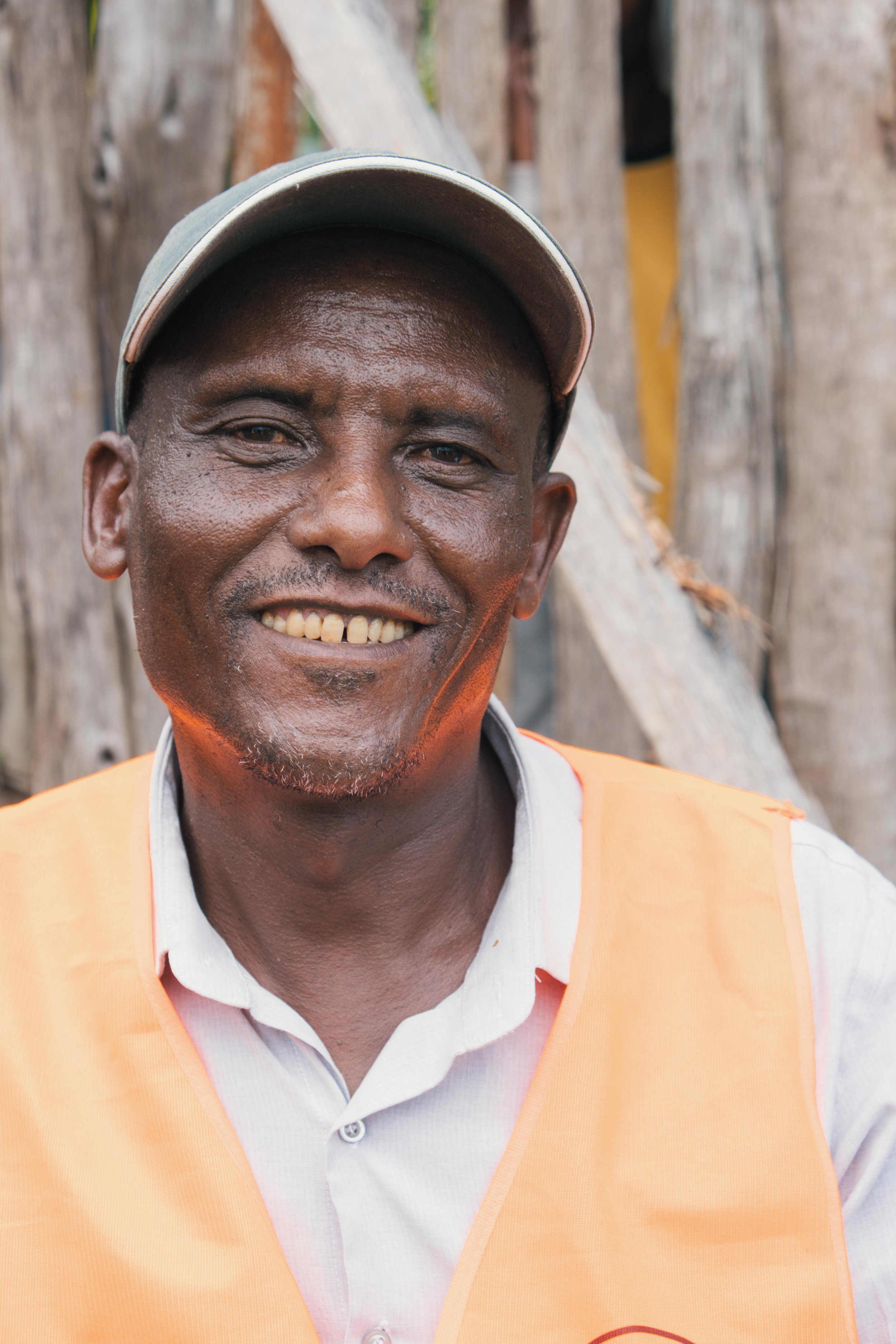
This coffee comes from Becha Village in the Bona Zuria district of Sidama, from the Demeka Becha site owned by Ayele Tulu and managed by his son, Tsegab Ayele.
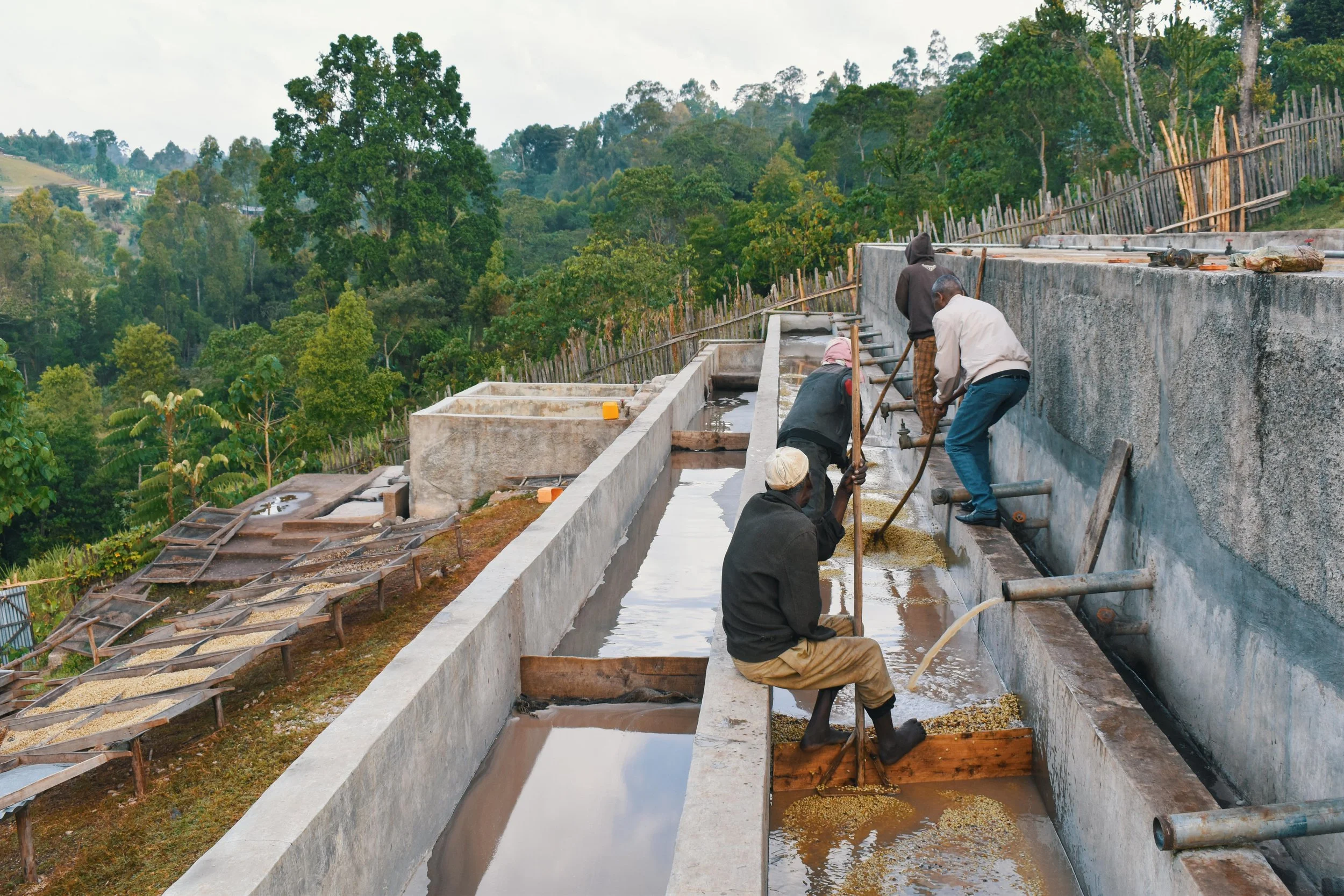
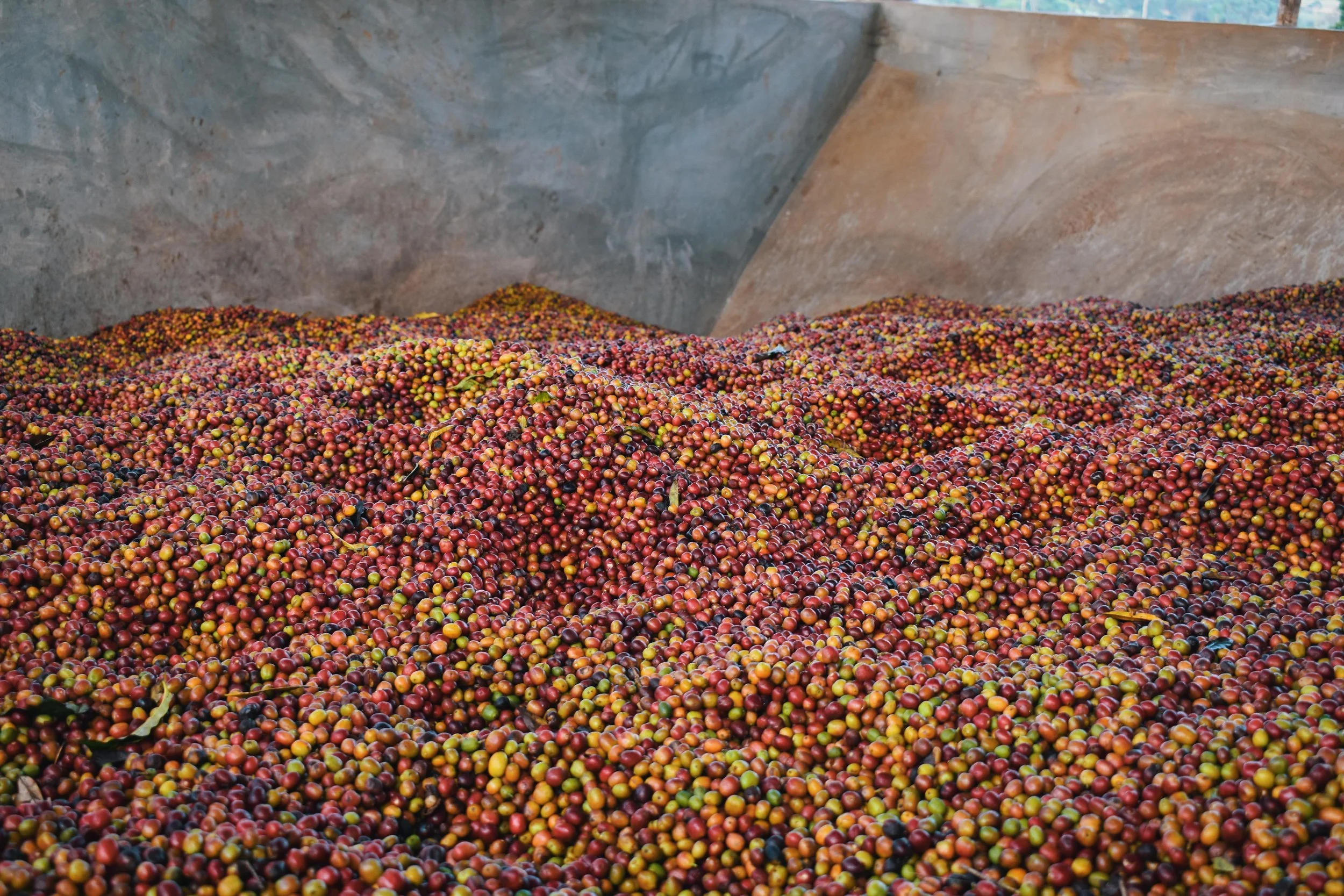
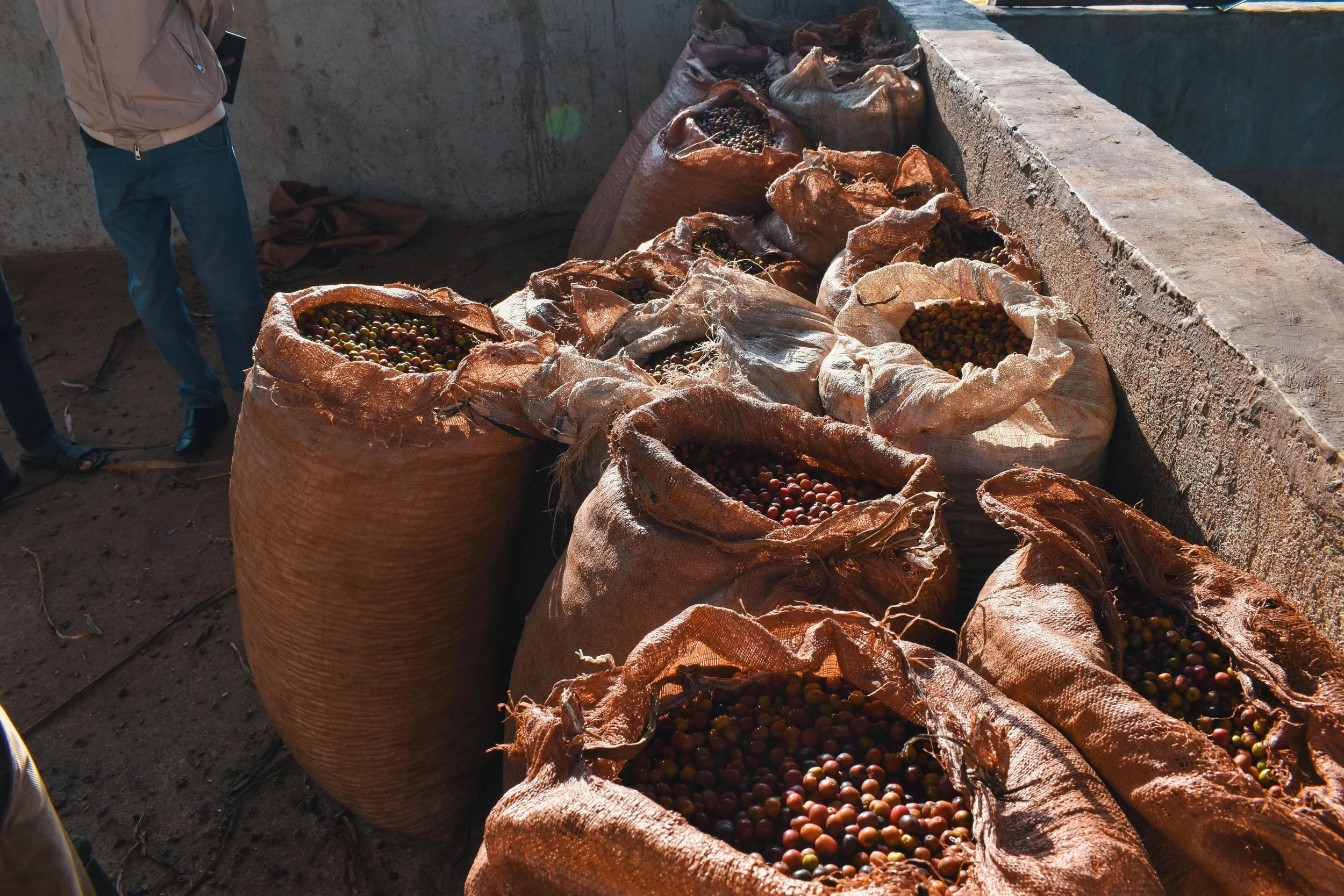
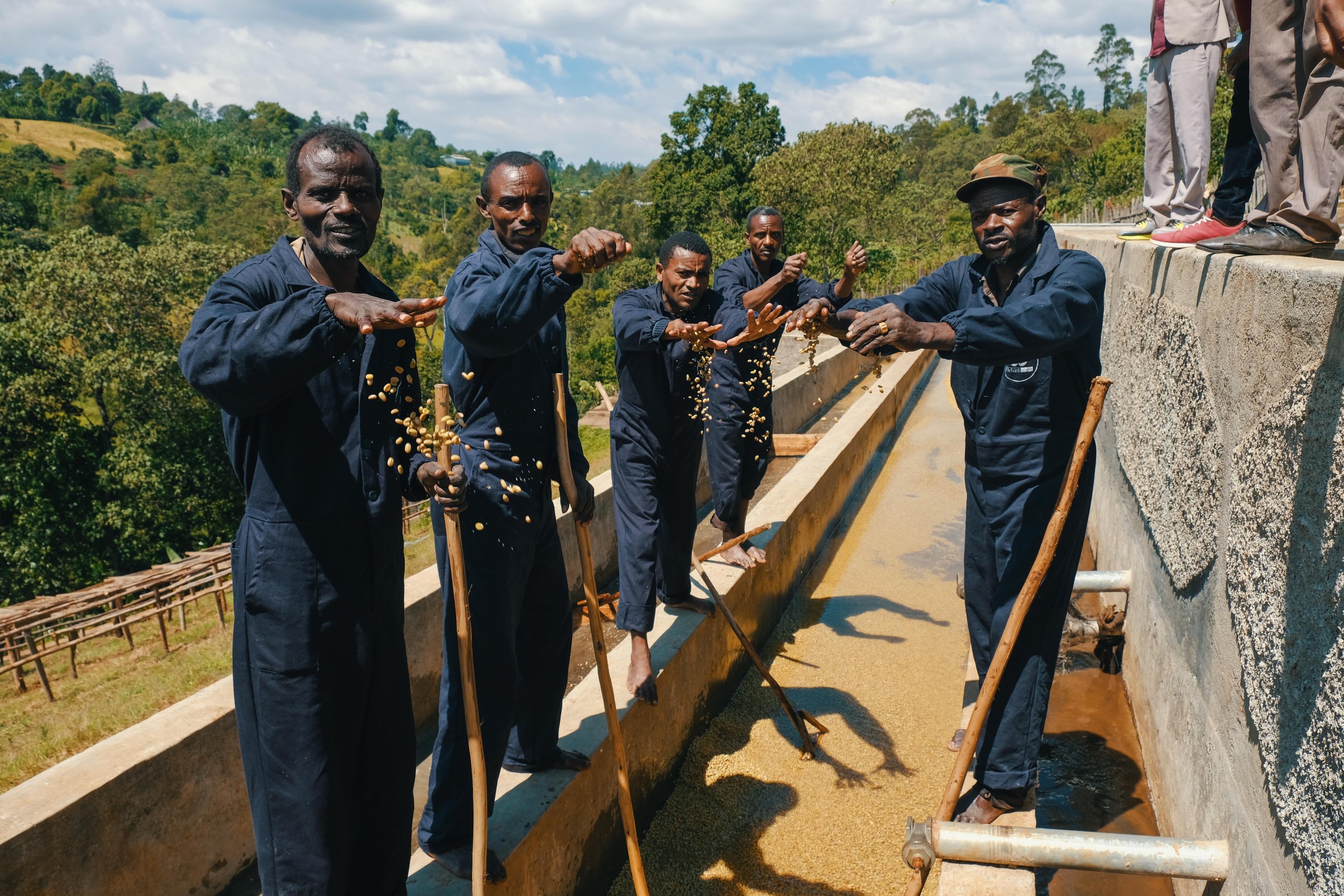
The processing station sits high on a hill at roughly 2,155 meters, or around 7,070 feet above sea level, surrounded by thousands of small coffee producers growing coffee on tiny plots around their homes. Those producers harvest ripe cherry and bring it to the station, where the decisions made during sorting, processing, fermentation, and drying begin shaping what eventually ends up in your cup.
The soil, elevation, varieties, producers, and growing environment are essentially the same as our current Flower Power. That is important, because tasting these coffees side by side gives us something we almost never get to experience this clearly: a chance to taste just how dramatically processing can change coffee.
Flower Power is clean, floral, tea-like, peachy, and bright while Tikis & Hot Rods is the one doing burnouts in the parking lot. They are basically the exact same coffee, just fermented differently!
WHAT TO EXPECT
Passion Fruit Gummy • Watermelon Candy • Guava • Pink Lemon Zest
This coffee is loud. The aroma immediately moves into tropical fruit and candy territory, with the kind of sweetness that reminds us more of opening a bag of gummies than opening a bag of coffee.
In the cup, we get passion fruit gummy, watermelon candy, juicy tropical fruit, citric vibrancy, and a fruit-punch-like sweetness that keeps becoming more obvious as the coffee cools. There is plenty of acidity, but the sweetness and heavier fruit character keep it from feeling thin or aggressively sharp.
This is exactly what Tikis & Hot Rods is supposed to be. It should taste unusual enough that somebody unfamiliar with modern specialty coffee might genuinely wonder how coffee can taste like this without flavoring being added. That kind of reaction is basically the whole reason this series exists.
GIVE THIS ONE SOME TIME
Highly processed, lightly roasted coffees can change dramatically as they rest, and Tikis & Hot Rods is no exception. It can taste fantastic during the first several days after roasting, especially if you enjoy really intense fermentation-driven aromatics, but that does not necessarily mean you are tasting the finished version of the coffee yet.
During the following couple of weeks, some of those aromatics may temporarily become quieter or harder to separate. Around 30 to 40 days after roasting and beyond, we often start seeing coffees like this become much more integrated. The candy sweetness gets clearer, individual fruits become easier to identify, and the cup can feel more expressive without simply feeling louder.
For storage, keep the bag upright and sealed tightly, scoop the coffee out while the bag remains upright, and gently push excess air out before closing it again. The goal is simply to minimize the amount of fresh oxygen introduced while the coffee rests.
THIS IS WHERE THINGS GET REALLY WEIRD
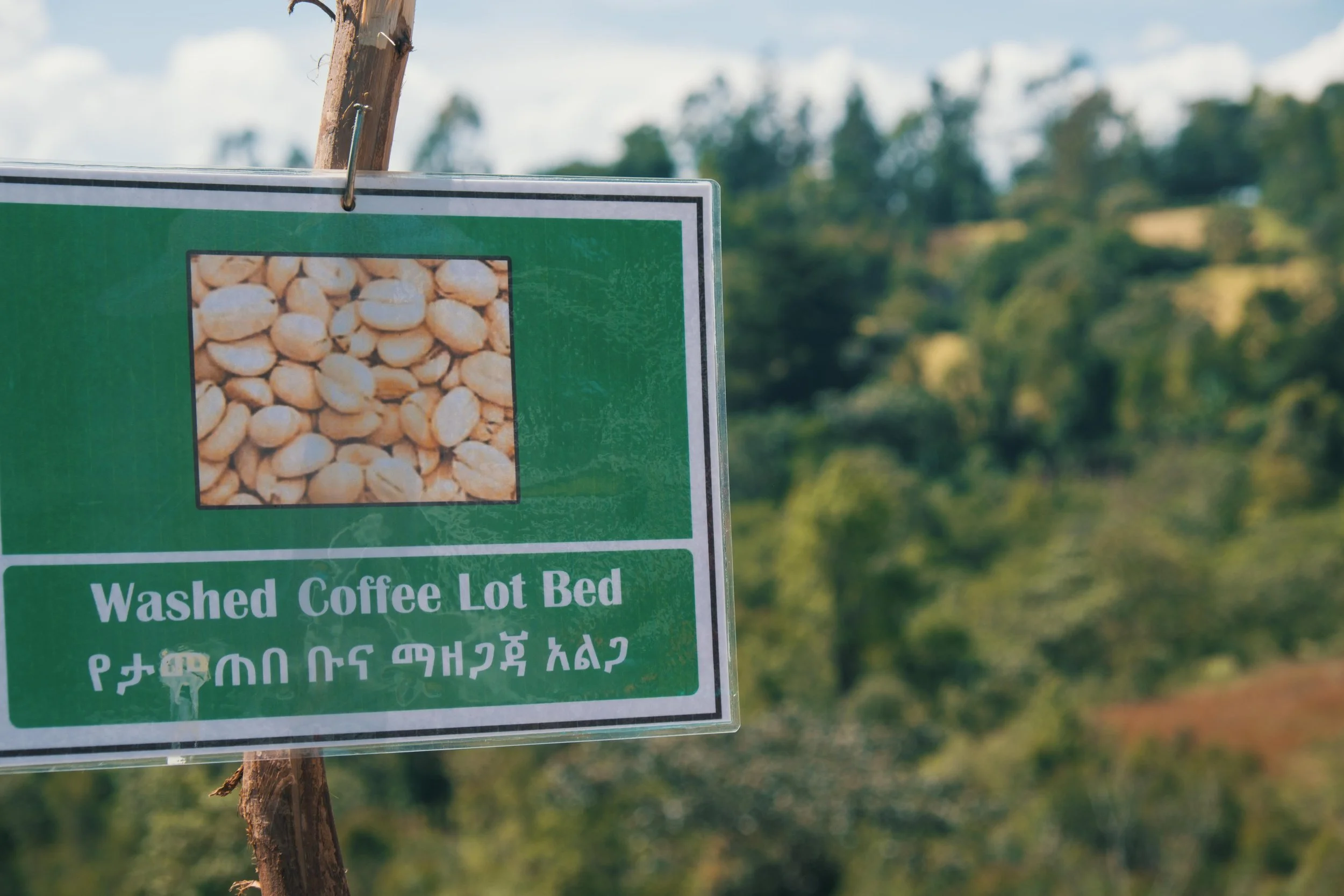
Tikis & Hot Rods has a sibling in our current lineup. Flower Power comes from this same Demeka Becha site with the same owner, varieties, soil, elevation, and growing environment. The major difference is what happens after the coffee cherry is picked. Flower Power goes through a washed process designed to remove the fruit and mucilage before drying. That processing contributes to the lemon sugar, white peach, white tea, floral fragrance, clarity, and lift we love about that coffee. Tikis & Hot Rods takes that same basic raw material in a completely different direction through a black honey process. Much more of the fruit material remains involved while the coffee dries, creating a dramatically heavier, sweeter, more fruit-driven expression. One gives us white flowers and tea. The other gives us watermelon candy and passionfruit gummies.
Drinking them next to each other is one of the coolest coffee experiments we have been able to put on our shelves. If you have ever wondered whether processing actually makes that big of a difference, buy both, brew them the same way, and taste them side by side! Creating your own personal experience of what processing can do is miles better than reading about it!
-
Origin: Ethiopia
Region: Sidama
District: Bona Zuria
Site: Demeka Becha, Becha Village
Producer: Ayele Tulu
Site Manager: Tsegab Ayele
Elevation: 2,100–2,200 MASL
Site Elevation: 2,155 MASL / 7,070 FT
Varieties: 74/158, 74/165, 74/112, 74/110, 74/40
Soil: Loamy Clay
Process: Black Honey
Roast: Light
Importer: Swift Coffee Sourcing
Coordinates: N6° 32.804’ E38° 42.887’ -
Brewing Difficulty: 2 / 3
This coffee is surprisingly forgiving considering how intense the profile is, although the cup can change quite a bit depending on extraction. Push it too hard and some of the fruit can collapse into a heavier fermented character. Extract too little and you can lose the sweetness that makes the coffee taste like candy rather than simply tasting acidic.
For filter, we would start around 22 grams of coffee to 366 grams of water, or roughly a 1:16.6 ratio. A gently declining water temperature from around 208°F toward 203°F works well, and we generally prefer brewing these faster-flowing brittle processed coffees toward the finer grind and faster flowing end of our normal dialed-in range. Because it’s a dense Ethiopian, you may have to grind a touch coarser that say an anaerobic from South America.
Use that as a starting point rather than a commandment. Your grinder, water, brewer, resting time, and pouring style all influence extraction. If the cup becomes heavy, muddled, or overly fermented, move coarser. If it feels hollow, pool-water flavor, aggressively tart, or strangely thin despite all that fruit aroma, move finer.
I prefer to use harder water with these types of coffees. Around 110-180 TDS and a fair amount of alkalinity (~35-55 PPM) and calcium. If your water is too soft, it could make this tropical fruit funky and pool-water tasting. Don’t be afraid to add a very tiny pinch of salt to your brew water or coffee mug if all else fails and you live in a soft water region like the PNW or NYC.
Milk Compatibility: 1 / 3
BEWARE! This coffee has such a low pH, meaning this coffee is very acidic. Due to this. It can easily curdle in milk. If you don’t mind that visual weirdness, great!
To reduce this effect, extract very high. Most coffee nerds that enjoy small milk-based beverages with crazy home espresso setups won’t have a lot of issues with this, but we know many others will.
For info on how we recommend brewing milk-based espresso with this style of coffee, checkout our VERY high extraction Omni Black & White recipe in our recipes page.
That being said, this is one of our favorite styles of coffee to put into milk because the flavor is strong enough to survive it. Instead of disappearing underneath milk, the tropical fruit and candy sweetness can turn into something that tastes almost like a completely different beverage.
It is especially fun as espresso, iced drinks, cold brew, or anything where you want the coffee itself to contribute a huge amount of personality.
-
There is already plenty happening in this coffee before we ever touch it, so our job at the roaster is mostly not to screw it up.
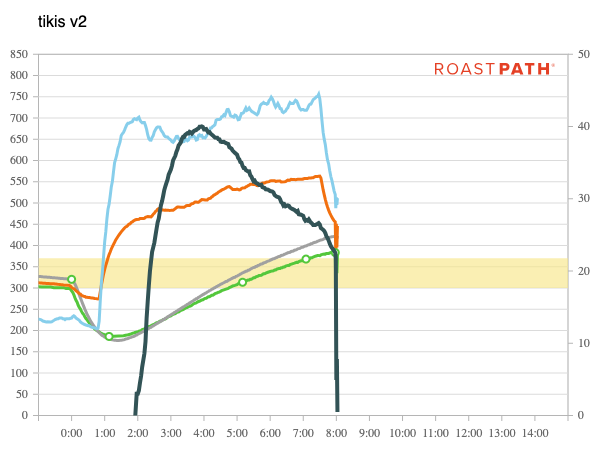
The goal is to preserve the tropical fruit, candy sweetness, aromatic intensity, and fermentation character without pushing the roast so far that everything starts blending together into generic sweetness or roast flavor. These coffees can have an enormous amount of personality, but they can also become muddy surprisingly quickly when too much development starts covering the distinctions between individual flavors. These more brittle fermented coffees can crash the rate of rise (measured from the bean probe) hard making roasters think they should add more heat to counteract it. This can lead to burning the beans unevenly and creating these kind of muddy roasty flavors that cover up acidic vibrancy and clarity.
The trick with these coffees is to enter first crack slowly by reducing heat early. That way, the beans exothermic reaction is more gradual and moisture from the crack doesn’t cause the ROR data to crash as easily due to the cooling of the beans via released moisture.
Though the ROR does fall, it’s not by much (decreasing by 4 degrees/minute in the last 40 seconds) and the roaster is holding a hell of a lot of heat. The coffee tastes fantastic, too!
We roast it light and stop precisely. We want enough energy through the roast to build sweetness and keep the coffee soluble, but we are not trying to roast the weirdness out of it. If the producer went through all this work to make a coffee taste like watermelon candy, turning it into chocolate or fermented wine at the very last step would be a pretty strange decision.
This is also where having independent control over heat and airflow on our drum roaster becomes especially useful. Coffees this dense and expressive give us a fairly narrow window, so we like having as many ways as possible to manipulate how energy moves through the coffee.
Apparently buying a machine with more knobs only encouraged us.
-
If you love naturally processed Ethiopians, anaerobic coffees, honey processing, fermentation experiments, tropical fruit, gummy candy, fruit punch, or coffees that barely resemble the traditional idea of “coffee,” Tikis & Hot Rods was basically built for you.
It is also one of the coffees we most enjoy giving to somebody who says they do not like coffee. A lot of people formed their definition of coffee around bitterness, roastiness, chocolate, nuts, and caramel. There is nothing wrong with those flavors, but they represent an incredibly small part of what coffee can taste like.
-
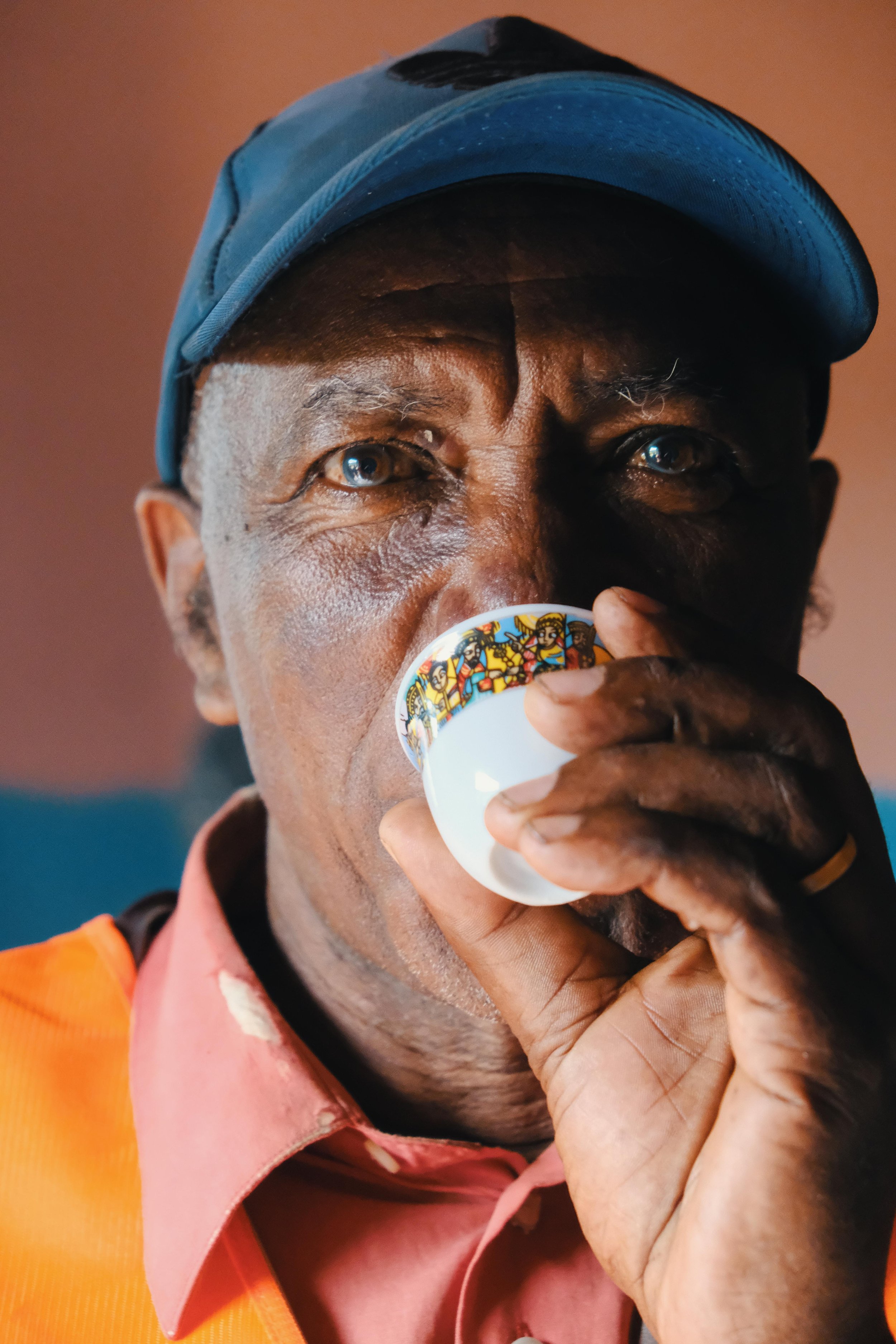
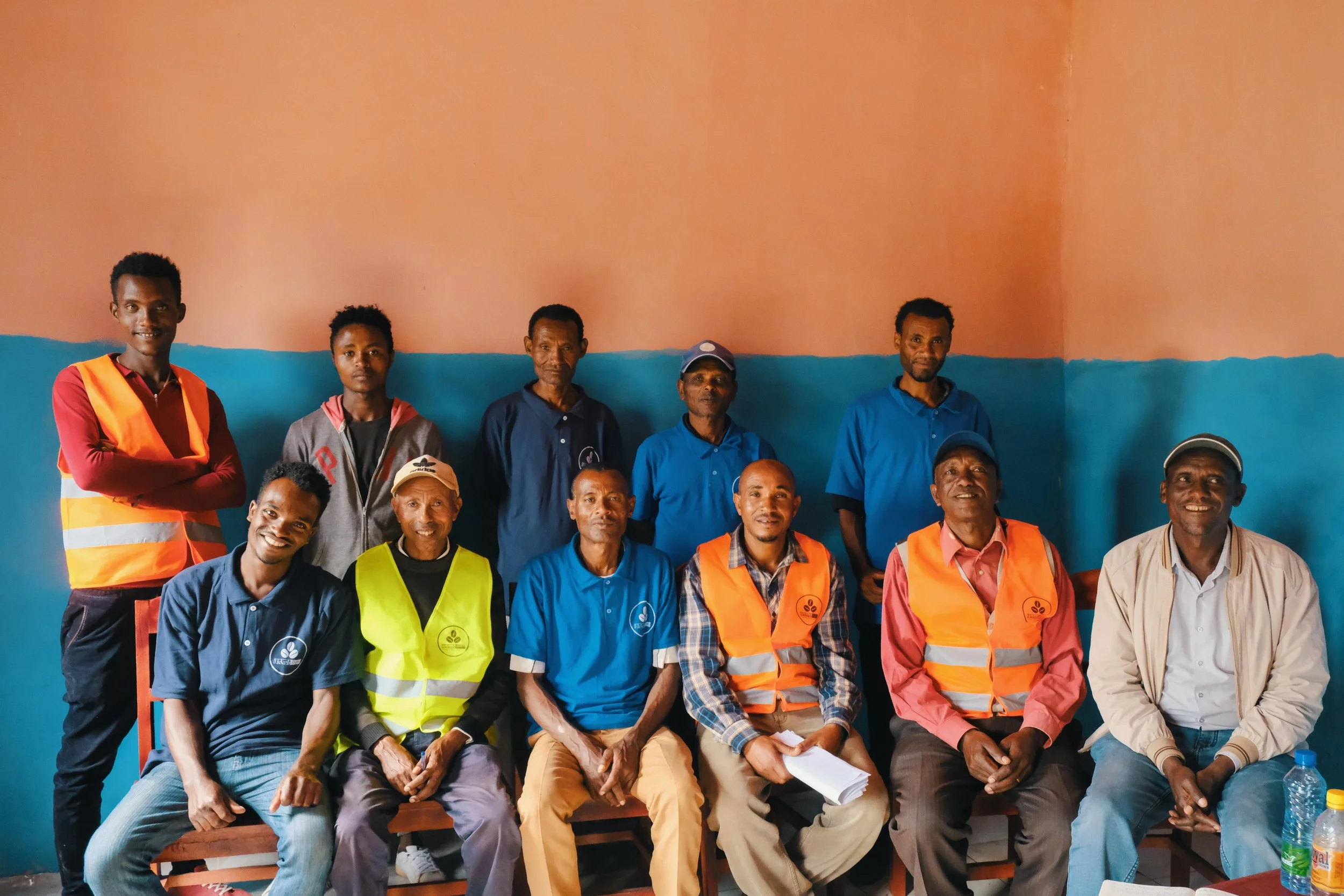
Ayele Tulu owns the Demeka Becha site and has spent his life in Bona Zuria. His son Tsegab manages the operation day to day, while Tsegab’s mother and Ayele’s wife, Genet Haile Endeshow, is another central part of the family and community around the station.
One of our favorite details about this family has almost nothing to do with processing protocols or coffee scores. People who have spent time with them talk about their hospitality. Genet is known for serving guests doro wat, a chicken stew traditionally prepared to honor visitors, followed naturally by buna, coffee, on the family porch.
Details like that matter to us because coffee can get reduced to numbers very quickly. Elevation. Moisture. Density. Fermentation time. Roast development. Extraction percentage. Those things absolutely matter, and anyone who knows us knows we will happily obsess over all of them. But there are people on the other side of every one of those numbers. The coffee gets better when we understand both.
-
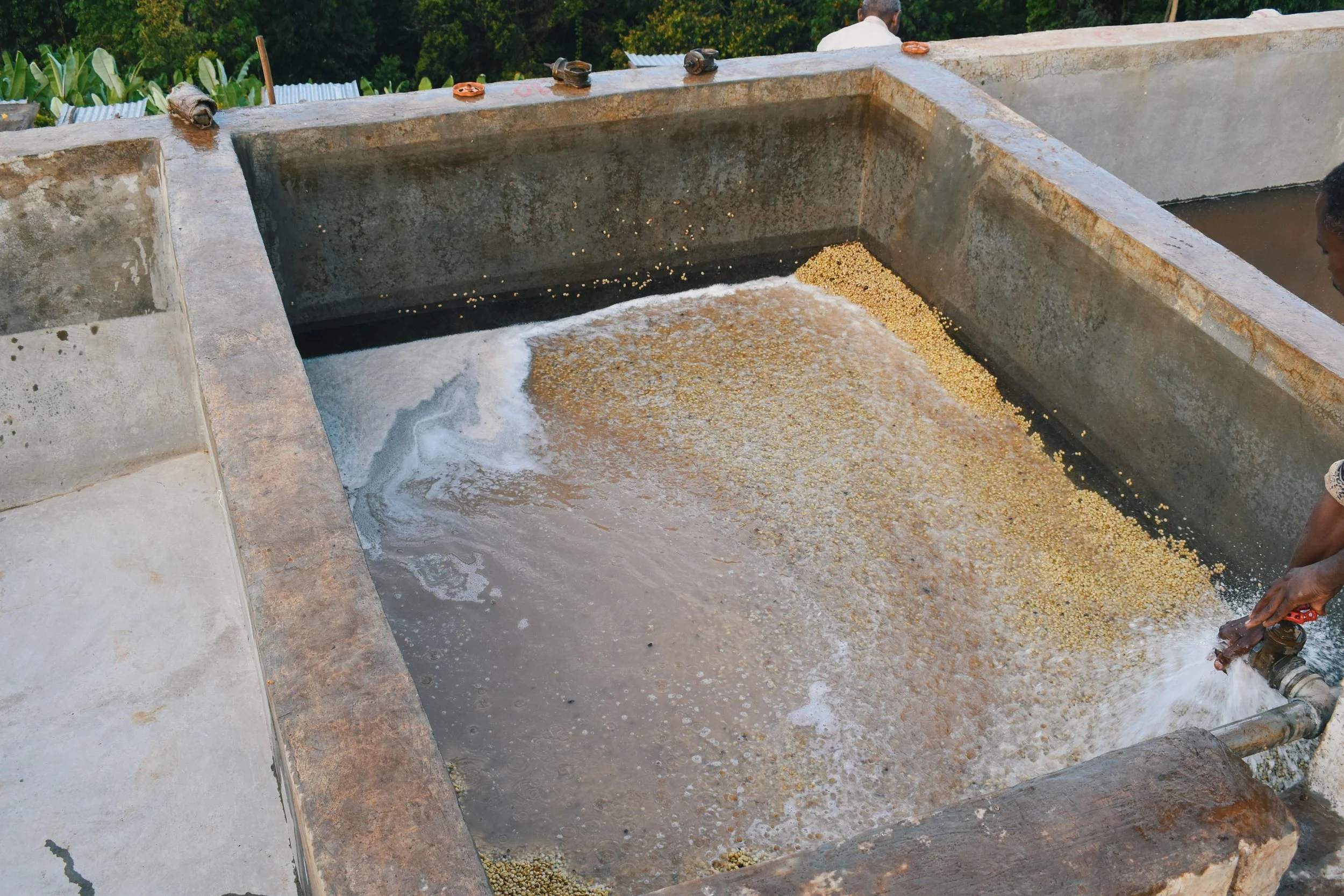
Black honey processing starts after ripe coffee cherries are harvested and sorted. Instead of completely removing the sticky fruit material surrounding the seed as you would with a traditional washed coffee, a significant amount remains attached while the coffee dries.
Black honey refers to the highest amount of fruit material left on the seed. Unlike Natural processing that leaves the entire cherry intact, honey processing removes the outer skin layer of the fruit.
Yellow honey is what we had in series 001 and 002 of The Classic. The colors go from White, Yellow, Red, and then Black - Which refer to the amount of fruit left on the seed before drying begins.
That changes the environment surrounding the seed during one of the most consequential stages after harvest. Sugars, microorganisms, temperature, moisture, airflow, drying speed, and time all interact, creating opportunities for dramatically different aromatic compounds to develop.
The word “honey” can be misleading because no actual honey is added to the coffee. It refers to the sticky, honey-like mucilage surrounding the seed. As previously mentioned, Black honey generally represents the heavier end of the honey-processing spectrum, where more mucilage and slower or more intensive drying can create dramatically fruitier and more fermented expressions.
It also requires attention. Coffee drying with substantial fruit material still attached can behave very differently from washed parchment, which makes turning, sorting, moisture control, and drying conditions incredibly important. The goal is not simply to ferment the coffee as much as possible. The goal is controlled transformation, and Honeys are especially hard to do.
When it works, you get coffee like this!
-
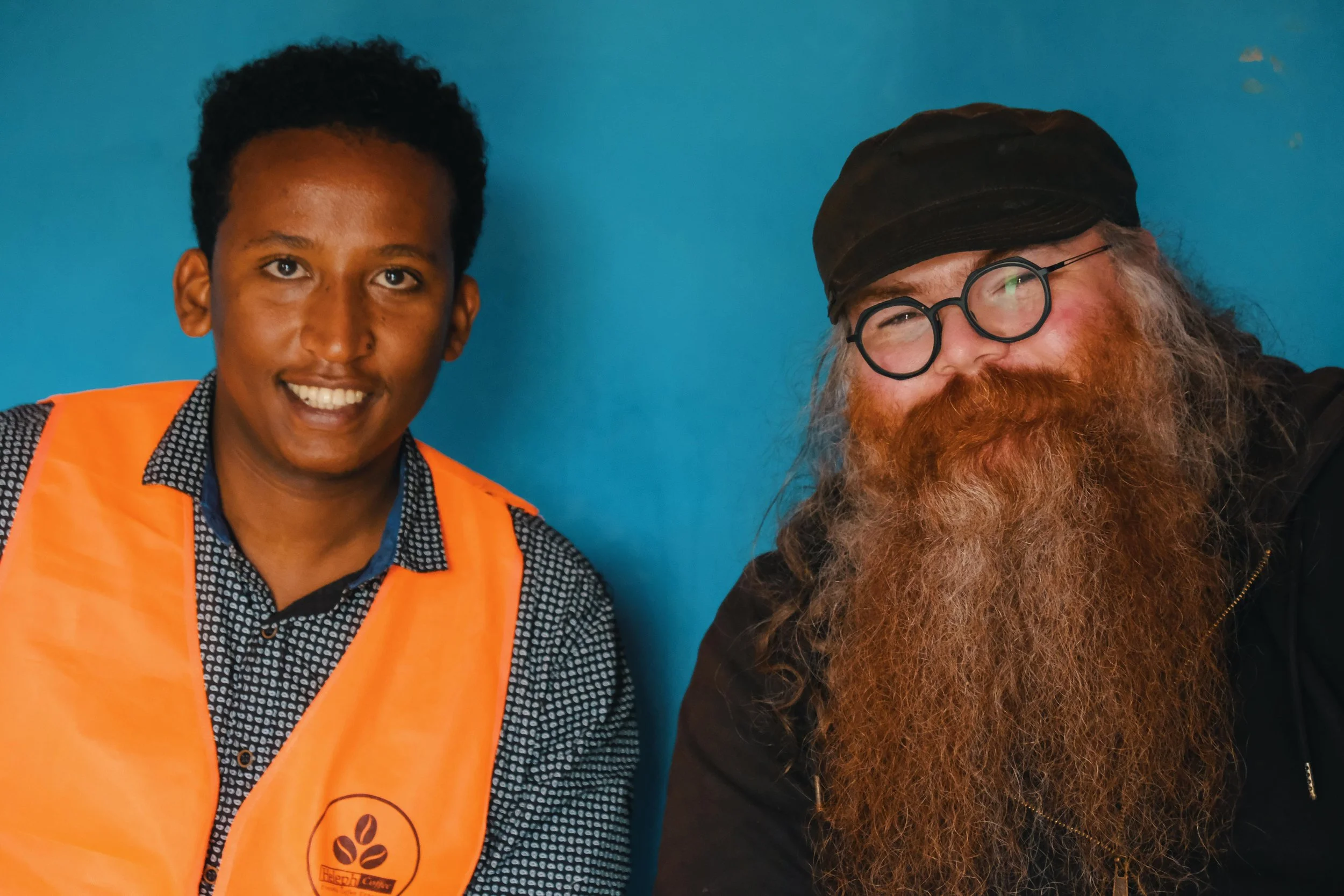
Our importer’s team has worked with Demeka Becha for years through enormous changes in Ethiopia and in the specialty coffee industry. Their previous importing company, Catalyst Trade, eventually closed, and several harvests later members of that team started again as Swift Coffee Sourcing.
When they returned to importing, they also returned to relationships they had spent years building with producing partners like Demeka Becha.
That matters to us. Thousands of small producers grow coffee around this station, and the coffee arriving during harvest represents an enormous amount of agricultural work long before anybody starts talking about fermentation recipes or tasting notes.
We want coffees with incredible flavor, obviously. But the more we learn about coffee, the less interested we become in buying something simply because a sample happens to taste good. We want to understand where it came from, who handled it, how it was processed, why it tastes the way it does, and where our money travels after we buy it.
There will always be another layer of transparency we want to uncover. That is fine. We would rather keep asking uncomfortable questions than pretend the supply chain is simpler than it actually is.
Tikis & Hot Rods is supposed to celebrate the wild side of coffee. Understanding how it got that way makes the tasting experience even better… Enjoy!
-
WHAT'S INSIDE A $23 BAG OF TIKIS & HOT RODS
We think it is pretty cool to know what actually goes into the price of a bag of coffee, especially with something like Tikis & Hot Rods. From the outside, it can be easy to look at a $23 bag and wonder where that money actually goes. There is a surprisingly long chain between coffee growing on a hillside in Ethiopia and a finished 225 g bag sitting on your counter, so we wanted to show you some of the real numbers behind this one.
We purchased this Black Honey Demeka Becha from Swift Coffee Sourcing for $7.50 per pound green. The original 60 kg sack contained about 132.3 pounds of coffee and cost us $992.07 before the additional warehouse, loadout, and freight costs required to get it to us.
Coffee also does not weigh the same after we roast it. Tikis & Hot Rods loses about 11.5% of its weight during our roast, which takes that original 132.3 pounds down to roughly 117.1 pounds of roasted coffee. We also set aside small samples from most roast batches for quality control. Between roast weight loss and the coffee held back for QC, one 60 kg sack gives us roughly 235 sellable 225 g bags, give or take a bag depending on how much we sample.
WHAT WE PAID, AND WHAT WE CAN'T SEE YET
Here is the honest limit of this teardown. We can tell you exactly what we paid our importer for this coffee at the U.S. warehouse: $7.50 per pound before the additional warehouse, loadout, and freight costs required to get it to us.
What we cannot yet tell you is exactly how that $7.50 was divided between the farmers, washing station, exporter, and everyone else involved before the coffee reached Swift, or exactly what the producers around Becha Village received for the cherry they delivered.
That is a real gap, and we are not going to paper over it by listing our own labor down to the minute while staying quiet about one of the most important parts of the chain. We have asked Swift for farmgate and FOB figures on these coffees. If we get them, they go on this page.
Every number below this line is a cost we can verify because we paid it ourselves.
WHAT DOES ONE BAG ACTUALLY COST US?
Once roast loss and our normal QC samples are taken into account, the green coffee itself works out to roughly $4.22 for every 225 g bag we sell. That is before it gets roasted, packaged, labeled, handed to somebody at the trailer, or shipped anywhere.
Getting the coffee from the importer to our roastery adds another layer. We consolidated this Swift shipment with three bags of green coffee we purchased from Onyx so the coffees could share the same freight movement rather than paying to move everything separately. We also paid Swift a warehouse and loadout fee, and once freight, warehouse costs, local pickup, labor, and fuel are spread across the shipment, getting Tikis & Hot Rods into our building adds roughly another 50 to 55 cents per retail bag.
The physical packaging costs more than it probably looks like. We buy our retail coffee bags 500 at a time for $190, plus $24.48 to ship them to us, which puts the bag itself at roughly 43 cents each. We print the Tikis & Hot Rods band and coffee tag ourselves on legal-size paper. One band sheet makes three bands and one tag sheet makes nine tags, so paper and known ink costs work out to roughly another 6 cents per bag, plus a very small amount of additional ink used directly on the bags and bands.
The materials are actually the cheap part. Chloe and I package the coffee ourselves, and it takes the two of us around two minutes to finish each bag. At our target labor rate of $25 per hour, that represents roughly $1.67 of labor in every bag just to weigh, fill, finish, band, tag, and prepare it for sale.
ROASTING IS MOSTLY A LABOR COST
One person can roast roughly 61 pounds of green coffee per hour on our production roaster before accounting for weight loss. That puts the active roasting labor for a 225 g bag at roughly 23 cents, but measuring only the minutes that coffee is physically roasting does not tell the whole story.
The roaster needs around 50 minutes to properly warm up before production, and we allow roughly two hours for the machine and system to cool down afterward. At $25 per hour, that time matters. We normally run somewhere between four and eight batches during a production day, so the more coffee we roast in one session, the more efficiently that warmup and cooldown labor gets spread across each bag.
Every roast also has our between-batch protocol, which costs around 26 cents per batch, plus a very small amount of gas and electricity. Funny enough, the actual energy required to roast one retail bag is only a few cents. The human time around the machine costs significantly more than the energy going into it.
Depending on how many batches we run and how the labor spreads, roasting, warmup, cooldown, and normal quality-control time add roughly another $1 or so per bag, sometimes a little more or less.
WE STILL HAVE TO TASTE THE THING
We reserve 13 to 26 grams from most roast batches so we have samples available for QC. Rather than cupping every roast the moment it comes off the machine, we collect samples through production and normally sit down about once a week to taste through what we have been roasting.
This is especially interesting with a coffee like Tikis & Hot Rods because heavily fruit-driven and fermented coffees can change a lot as they rest. We want to know whether that huge fruit character is staying clean, whether the fermentation character is balanced, and whether the decisions we made at the roaster actually showed up in the cup the way we expected.
A cupping session runs about an hour. We use distilled water remineralized with Third Wave Water and brew roughly 200 ml for each 13 gram sample because, if we are trying to identify relatively small differences between batches, the water needs to stay consistent too.
That feedback loop is a huge part of getting better at roasting. It is also another small cost built into the coffee that you would never know existed by looking at the finished bag.
WHY WE PICK UP OUR OWN GREEN COFFEE
We could have the freight company deliver the pallet directly to the roastery, but doing that would cost roughly another $100 for liftgate service plus around $60 because of our delivery location.
The freight terminal is only 5.9 miles from us, so Chloe and I drive over and pick it up ourselves. The drive takes roughly 17 minutes each way, and between loading and unloading we spend around another 10 minutes handling the coffee. At $25 per hour for both of us, plus fuel for a vehicle that gets around 15 MPG, a normal pickup costs us roughly $39 in labor and gas.
Doing those last few miles ourselves saves roughly $120 compared with paying the additional delivery charges. This particular shipment was unusual because one of our Swift bags was accidentally left off the original pallet and arrived around two weeks later, so we actually had to make the trip twice. Even with the second trip, picking the coffee up ourselves still cost less than paying to have the pallet brought directly to our door.
Nobody gets into coffee roasting because they dream about driving to a freight terminal and wrestling 60 kg sacks into a vehicle. But this is what running a small company actually looks like, and if we can spend less doing something ourselves without compromising the coffee, that is money we do not have to immediately build into the retail price.
BEFORE WE EVER ROASTED IT
There is also a stack of work that happens before a production roast ever starts. This shipment brought in four different coffees for us: The Classic, Flower Power, Tikis & Hot Rods, and a Todos Santos Limited Drop. Between coordinating the shipment, tasting samples and comparable coffees, working through sourcing information, designing packaging, and building out the information for each release, I spent roughly eight hours getting those four coffees ready to launch.
At our target labor rate of $25 per hour, that represents about $200 of work shared across all four releases. We did not track every minute closely enough to pretend we know exactly how much time belonged to one coffee versus another, so the cleanest way for us to account for it is to divide that work evenly. That puts roughly $50 of release-development labor into Tikis & Hot Rods, or about 21 cents per bag when spread across the roughly 235 bags we expect from this sack.
Some of that is one-time work rather than something that happens every time we roast. Once the sourcing research, packaging, product information, and release setup are finished, we do not spend those same hours recreating everything during every production day. But the work still had to happen somewhere.
This is one of the least visible parts of coffee pricing. Somebody has to taste through options, decide which coffee belongs in which series, coordinate getting it here, understand where it came from, design the package, turn all of that information into something useful, and actually launch the thing. For a company our size, that somebody is usually us.
WHERE DOES THAT LEAVE THE $23?
Add up the green coffee, roast weight loss, freight and warehouse costs, local pickup, packaging materials, roasting, normal QC, energy, packaging labor, and our share of the release-development work required to actually get Tikis & Hot Rods Series 002 out the door, and we can identify roughly $8.00 to $8.50 of direct and release-specific cost in each $23 bag before general business overhead enters the picture.
Overhead is the part nobody photographs: the building and its utilities, insurance, roaster and equipment maintenance, grinders, water filtration and QC equipment, website and software, credit-card processing, shipping supplies, taxes, and normal waste. The retail bag is not carrying all of that by itself. Our trailer, wholesale accounts, events, online sales, and retail coffee all support the same operation, which is exactly why a two-person company ends up running several interconnected parts of the business at once.
AND IF WE SHIP IT TO YOU
Online orders add another layer separate from producing the coffee itself. Our shipping mailers cost about 40 cents each before postage, labels, tape, and the labor required to pack the order.
The closest USPS location is about 1.9 miles from the roastery, so somebody physically takes those orders there. The cost per package changes dramatically depending on whether we are dropping off two orders or twenty at once, which is why we do not pretend every online order costs exactly the same amount to fulfill.
FOB PRICE — $6.40/LB
The FOB, or Free On Board, price is the value of this coffee at the point it is exported from Ethiopia. It includes the costs involved in producing, processing, preparing, and getting the coffee to the export point, but does not include the international shipping and importing costs required to bring it to the United States.We purchased the coffee from Swift Coffee Sourcing for $6.93/lb after it arrived in the U.S. The FOB price gives us another useful point of transparency farther back in the coffee’s journey.
WHY WE ARE TELLING YOU ALL OF THIS
We are not sharing these numbers because we want anyone to feel bad for buying coffee, and we are not pretending we are the only company putting work into what we make. We just think specialty coffee gets a lot more interesting when you can actually see what you are paying for.
This coffee started as fruit grown around Becha Village in Ethiopia. It was picked, processed using a Black Honey method, dried, sorted, exported, warehoused, freighted across the country, picked up by the two of us, roasted in Cookeville, sampled and tasted as part of our QC, packaged by hand, labeled, checked, and eventually handed or shipped to you.
What makes this release even more fascinating to us is that Flower Power comes from the same site, with the same family behind it and similar raw material, yet processing sends the two coffees in wildly different directions. We get to buy both, roast both, and let you taste what those decisions actually did. That is the kind of thing that makes us completely obsessed with coffee in the first place.
There is a lot hiding inside one little bag of coffee. Knowing some of it makes drinking it even cooler.